25
Sep
The Complete Guide to Patient Transfer Equipment: Safe, Dignified, and Affordable Solutions
Caring for a loved one at home—whether it’s an elderly parent, a patient recovering from surgery, or someone with long-term mobility needs—comes with moments of love, responsibility, and challenge. If you’re here, it’s because you understand how difficult and overwhelming patient transfers can be. You’ve felt the strain of trying to lift someone safely, the fear of a fall, the frustration of inadequate tools, or the worry that your loved one may lose dignity during transfers.
You are not alone. These challenges are real, and countless families, caregivers, and medical professionals face them every single day. That’s why finding the right patient transfer equipment isn’t just about convenience—it’s about safety, dignity, and peace of mind.
👉 In this article, we’ll explore everything you need to know about patient transfer devices and transfer assist devices:
-
The challenges of daily patient transfers and why equipment is essential
-
The different types of patient transfer equipment and how they work
-
Affordable and effective solutions for home care and medical facilities
-
How to choose the right device for your exact situation
-
Links to trusted guides and product options
By the end, you’ll know not just what equipment exists, but also which transfer assist device best fits your needs—whether you’re a family caregiver, a facility manager, or simply someone exploring ways to make transfers safer and easier.
Why Patient Transfer Equipment Is Essential
Patient transfers are more than physical movements—they are moments of trust, safety, and respect. With the right patient transfer device, caregivers reduce their risk of back injuries, patients feel more secure, and dignity is preserved.
Without reliable transfer assist devices, even something as simple as moving from a bed to a chair can be dangerous. That’s why investing in solutions such as electric hoyer lifts, hydraulic patient lifts, overbed trapeze bars, or a patient lift transfer chair can transform care at home or in professional facilities.
What This Guide Covers on Patient Transfer Devices
This article will give you a complete understanding of patient transfer equipment and practical solutions that make daily caregiving safer and easier. Along the way, we’ll link to in-depth buying guides for those who want detailed comparisons and product reviews:
Quick Overview of Patient Transfer Equipment
Compare the most common patient transfer devices and discover which solution may fit your needs.
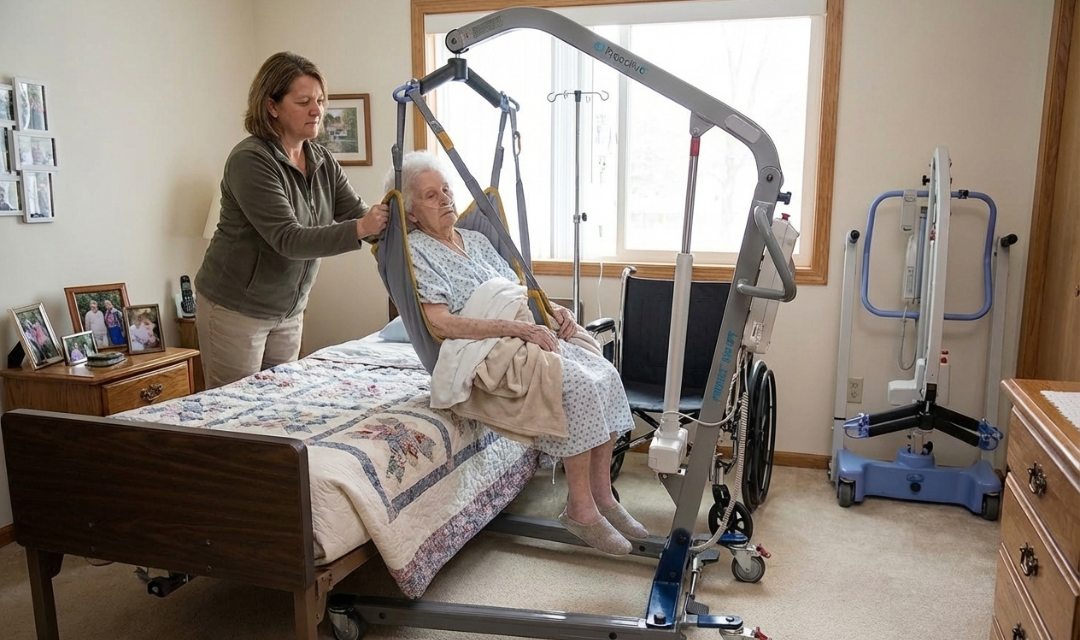
Electric Hoyer Lifts
Effortless, powered lifting for safe transfers. Ideal for frequent use at home or facilities.
- ✔ Easy push-button operation
- ✔ Reduces caregiver strain
- ✔ Best for long-term care
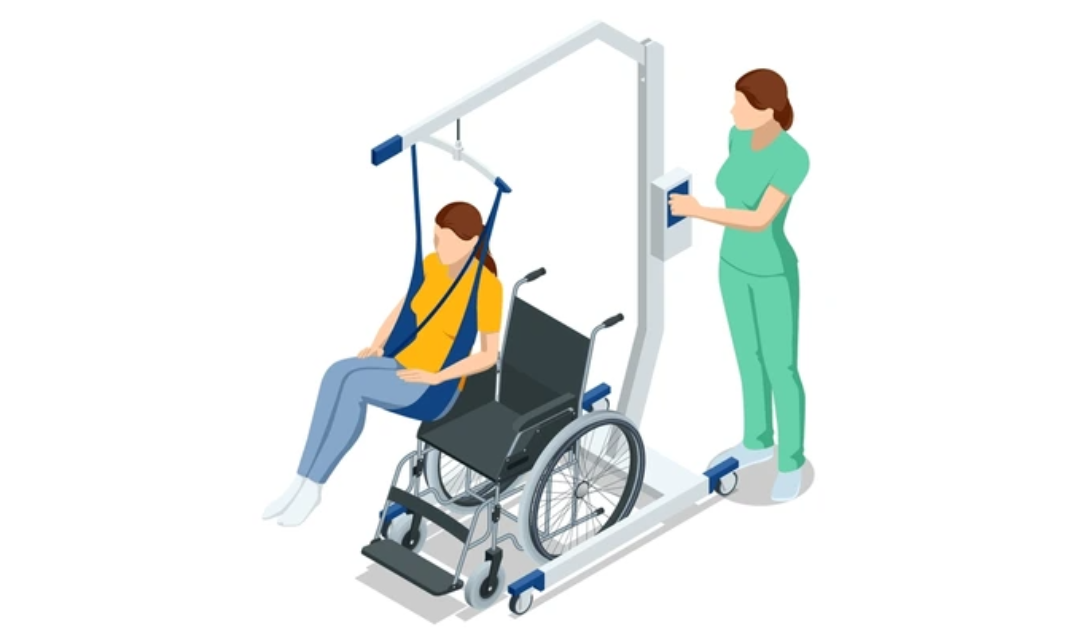
Hydraulic Hoyer Lifts
Manual, affordable option widely used for dependable patient transfers.
- ✔ Budget-friendly
- ✔ Reliable mechanical lift
- ✔ Popular in home care
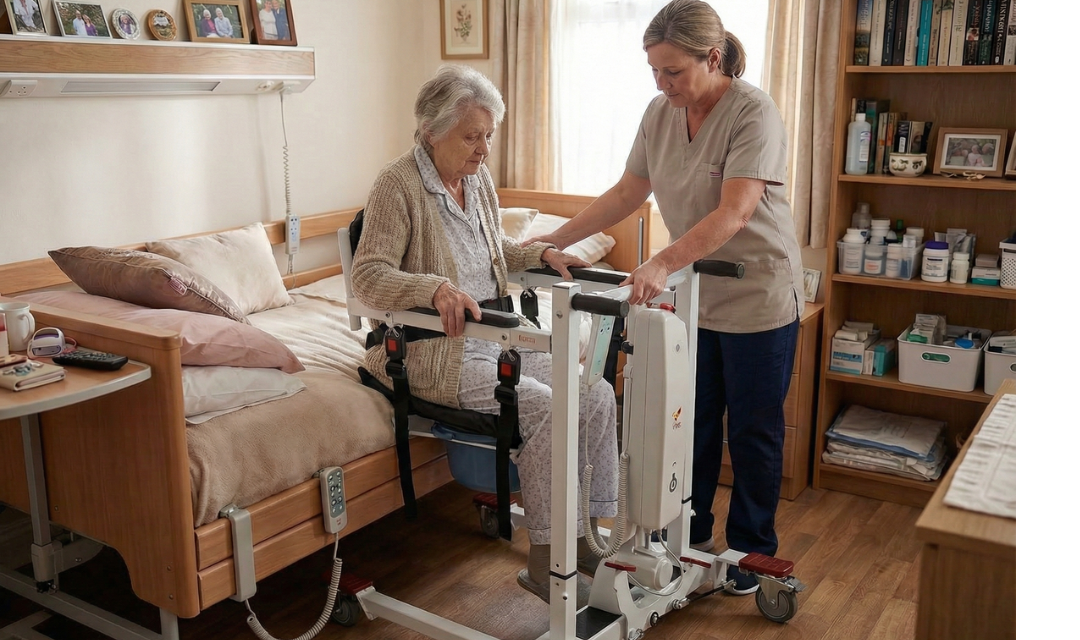
Patient Lift Chairs
Modern chairs designed to move patients between bed, toilet, car, and more.
- ✔ Chair-based transfers
- ✔ Great for small spaces
- ✔ Easy caregiver operation
Why Caregivers Need Reliable Patient Transfer Equipment
When it comes to caring for a loved one, few moments are as stressful as patient transfers. Moving someone from a bed to a chair, or from a wheelchair to a bathroom, is not just a physical action — it’s a moment of vulnerability, safety, and dignity. Without the right patient transfer equipment, these daily tasks can quickly turn into dangerous situations for both the caregiver and the patient.
A single slip can mean:
-
A devastating fall for the patient, leading to fractures or hospitalization.
-
A serious back injury for the caregiver, putting their health at risk.
-
A loss of trust and dignity that can emotionally strain families.
According to the CDC, over 25% of adults aged 65 and older fall each year, and falls are the leading cause of injury-related deaths in seniors (CDC, Falls Prevention). Many of these falls happen during unsafe transfers — moments that could be prevented with the right patient transfer device.
The Daily Challenges Caregivers Face
Imagine this:
-
A daughter trying to lift her father from the bed without equipment. He is frail, she is exhausted after a full day of work, and halfway through the lift, he slips. Both tumble to the floor, shaken and hurt.
-
A nurse in a small assisted living facility tries to reposition a patient using only physical strength. By the end of her shift, her back is screaming in pain — an injury that could take her out of work for weeks.
-
A husband attempting to help his wife move from bed to wheelchair. She feels embarrassed, dependent, and afraid she will fall. He feels helpless, unable to give her the safe care she deserves.
These are not rare stories. They are daily realities for thousands of families. And they underline why transfer assist devices are not a luxury — they are a necessity.
The Consequences of Not Using Patient Transfer Devices
Failing to invest in proper patient transfer equipment has far-reaching consequences:
-
Physical harm: Caregivers who lift manually are at high risk of musculoskeletal injuries. In fact, the National Institute for Occupational Safety and Health (NIOSH) reports that healthcare workers experience some of the highest rates of work-related musculoskeletal disorders due to patient handling (NIOSH, Safe Patient Handling).
-
Emotional strain: Patients often feel like a burden when transfers are unsafe or difficult. This can lead to depression and reduced willingness to accept care.
-
Financial costs: A single fall can result in hospital bills, rehab stays, or even the need for long-term care. For families and facilities alike, the cost of not using safe transfer assist devices is far higher than the cost of equipment.
How Patient Transfer Equipment Solves These Challenges
The right patient transfer device does more than just move someone. It:
-
Protects caregivers by taking the weight off their backs.
-
Keeps patients safe during every transfer, reducing fall risks.
-
Preserves dignity by making transfers smoother, less frightening, and more independent.
-
Strengthens relationships by reducing stress and frustration in caregiving.
Picture this:
-
Instead of struggling, the daughter presses a button on an electric lift — her father is gently raised and moved into his wheelchair without strain.
-
The nurse in the assisted living facility uses a hydraulic lift — safe, reliable, and far less physically demanding.
-
The husband uses a patient transfer chair, designed for seamless movement between bed, toilet, and car. His wife feels secure, respected, and empowered.
This is the power of transfer assist devices. They don’t just make caregiving easier — they transform it.
Why It’s Crucial to Act Now
Every day without proper patient transfer equipment is a day where both caregiver and patient remain at risk. Too often, families wait until after a fall or injury to realize they need solutions. By then, the damage — physical, emotional, and financial — may already be done.
Trusted organizations like the Mayo Clinic emphasize that fall prevention is one of the most critical steps in elderly care. A large part of this prevention is ensuring that transfers — the most common moments of risk — are done with safe, appropriate equipment.
Investing in transfer assist devices is not just about making life easier; it’s about making life safer, more dignified, and more sustainable for everyone involved.
Types of Patient Transfer Devices & Assist Solutions
Every caregiving situation is unique. The right patient transfer equipment depends on the challenges you face—whether it’s frequent daily lifts, tight home spaces, or the need for patient independence. Below are the most common transfer assist devices explained through real-life caregiving scenarios.
Electric Hoyer Lifts
For families handling multiple transfers daily, an electric hoyer lift saves time, prevents back injuries, and provides smooth, effortless lifting.
Scenario: A daughter caring for her father no longer strains her back; one button press transfers him safely from bed to chair.
Hydraulic Hoyer Lifts
A dependable, manual option and more affordable than electric. Perfect for small facilities or home care on a budget.
Scenario: A caregiver in a nursing home uses a hydraulic patient lift to safely move patients while protecting her own health.
Patient Transfer Chairs
Modern chairs that move patients between bed, toilet, car, or dining table without complex lifting.
Scenario: A husband helps his wife maintain dignity and independence at home using a patient transfer chair.
Overbed & Medical Trapeze
A simple bar that lets patients reposition themselves in bed, restoring independence and reducing caregiver strain.
Scenario: A recovering stroke patient regains confidence by using a medical trapeze to shift and sit up without assistance.
Choosing the Right Patient Transfer Equipment
Every caregiving situation is different. The “right” patient transfer device depends on your home environment, your loved one’s condition, and how often transfers are required. Choosing wisely avoids accidents, prevents injuries, and improves quality of life.
For Family Caregivers at Home
Choose patient transfer chairs or electric lifts to make daily movements safe and stress-free.
For Nursing Homes & Facilities
Durable hydraulic hoyer lifts and slings provide reliable, cost-effective patient handling for staff.
For Patients Seeking Independence
Simple devices like overbed trapeze bars let patients reposition themselves without constant assistance.
Safety, Dignity, and Comfort in Every Transfer
Transfers are more than movements—they are moments of trust and vulnerability. The right transfer assist devices ensure that safety, dignity, and comfort are never compromised.
- ✔ Safety first: Reduce fall risk and protect caregivers from injury.
- ✔ Dignity preserved: Patients feel respected, not like a burden.
- ✔ Comfort assured: Smooth, controlled transfers lower stress and anxiety.
- ✔ Confidence restored: Independence grows when patients feel secure.
Backed by research from CDC and Mayo Clinic, safe patient transfers are one of the most important steps in elderly care and fall prevention.
⚠️ The Hidden Dangers of Unsafe Transfers
Unsafe transfers cause thousands of caregiver back injuries and patient falls every year.
According to the CDC, falls are the leading cause of injury-related deaths in seniors.
Don’t wait until it’s too late—investing in the right transfer assist devices protects both your health and your loved ones.
Patient Transfer Equipment Comparison Table
Use this quick chart to compare the most common patient transfer devices and identify the best fit for your caregiving needs.
| Device | Best For | Main Benefit | Affordability | Caregiver Effort |
|---|---|---|---|---|
| Electric Hoyer Lift | Daily frequent transfers | Effortless powered lifting | $$$ | Minimal |
| Hydraulic Hoyer Lift | Budget-friendly care | Reliable manual transfers | $$ | Moderate |
| Transfer Chair | Home & small spaces | Moves between bed/toilet/car | $$ | Low |
| Overbed Trapeze | Patient independence | Self-repositioning support | $ | None |
| Slings for Hoyer Lifts | Custom fit transfers | Comfort & secure support | $–$$ | Depends on lift |
What Caregivers Are Saying About Patient Transfer Equipment
“Using a patient transfer chair changed how I care for my husband — no more fear of falling, no more strained back. Every transfer feels safe and controlled.”
— Caregiver in Florida
“As a nurse in a small facility, having a hydraulic hoyer lift has saved me from injury. I can care for patients with confidence knowing both of us are safe.”
— Nurse in New York
“My mother wanted independence after her stroke. Installing a medical trapeze gave her back control — she can reposition herself in bed without calling me every time.”
— Daughter & Family Caregiver, California
The best patient transfer equipment for home use depends on your needs. For daily full-body lifts, an electric hoyer lift provides effortless safety. If budget is a concern, a hydraulic patient lift is reliable and affordable. For smaller spaces, a patient transfer chair is ideal for moving between bed, toilet, and car. Patients seeking independence often use an overbed trapeze.
An electric hoyer lift uses a powered motor for easy, push-button lifting, making it ideal for frequent transfers and reducing caregiver strain. A hydraulic hoyer lift is operated manually with a pump handle, making it more affordable while still safe and effective. Electric models cost more but require minimal effort, while hydraulic lifts are cost-effective but need moderate caregiver strength.
Medicare may cover certain types of patient transfer devices like hoyer lifts under “durable medical equipment,” but approval often requires a doctor’s prescription and strict documentation. Coverage varies by plan and may not include accessories like slings for hoyer lifts. Many families choose to purchase equipment out of pocket for faster access and wider choice of features.
The safest way to transfer an elderly parent is by using proper transfer assist devices instead of manual lifting. For example, an electric or hydraulic hoyer lift ensures safe transfers from bed to wheelchair. A patient transfer chair allows smooth movements to the bathroom or car. Avoid manual lifting — it puts both caregiver and patient at risk of falls or injury.
Yes, most families can use a hoyer lift at home safely after reviewing instructions and practicing with the correct sling for hoyer lifts. Many devices are designed for home caregivers, but it’s important to read the manual carefully, ensure the sling is the right size, and always lock wheels before lifting. Some facilities or home health providers also offer short training sessions for families.
For patients who spend most of their time in bed, the best patient transfer device for independence is an overbed trapeze bar. It allows them to reposition, sit up, and reduce pressure sores without constant caregiver help. In some cases, combining a trapeze with an adjustable hospital bed creates maximum comfort and mobility.
Choosing the right sling for a hoyer lift depends on the patient’s size, mobility level, and comfort needs. Full-body slings provide maximum support for total transfers, divided-leg slings allow toileting access, and bariatric slings are designed for heavier patients. Always select a sling compatible with your lift and follow manufacturer sizing charts to prevent accidents. See our sling guide for detailed recommendations.
Patient transfer chairs and hoyer lifts serve different purposes. A transfer chair is great for quick, everyday moves (bed to bathroom, bed to car) in smaller home spaces. A hoyer lift (electric or hydraulic) is better for full-body support during heavy transfers, especially for patients with very limited mobility. Many caregivers use both: a lift for major transfers and a chair for daily convenience.
Explore Full Guides on Patient Transfer Equipment
Choosing the right patient transfer device is one of the most important decisions you’ll make in caregiving.
To help you make the best choice, we’ve created detailed guides that compare options, break down benefits, and provide expert advice.
Explore the guides below for deeper insights.
Electric Hoyer Lifts
Compare the best electric lifts for effortless, safe transfers.
Hydraulic Patient Lifts
Find the best hydraulic lifts for elderly care & facilities.