

Patient lifts for sale are designed to help caregivers move individuals safely when standing, pivoting, or manual transfers are no longer safe. This category focuses on hydraulic patient lifts and manual hoyer lifts that support controlled bed-to-wheelchair, wheelchair-to-commode, chair-to-bed, recliner, toilet, and recovery transfers.
Hydraulic lifts for patients are often chosen because they are dependable, affordable, and do not require electricity or battery charging. They use a manual hydraulic pump to raise the patient and a controlled release system to lower the patient safely. For many homecare families, facilities, rehab settings, hospice care providers, and long-term caregivers, these lifts offer one of the most practical ways to reduce physical strain and improve transfer safety.
As you compare lifts for elderly users or patients with limited mobility, it is important to look beyond weight capacity. The best hydraulic patient lift should match the patient’s body size, transfer needs, sling requirements, caregiver strength, room layout, furniture height, and whether low-position or floor pickup assistance may be needed.
What Are Hydraulic Patient Lifts?
Hydraulic patient lifts are manual transfer devices that use a pump-operated hydraulic system to lift and lower a patient while they are supported in a compatible sling. They are commonly used when a person cannot safely transfer independently or when caregivers need a safer alternative to physically lifting the patient.
Who Typically Benefits Most from Manual Hoyer Lifts?
- Elderly users who cannot safely stand, pivot, or transfer alone
- Patients recovering from surgery, injury, stroke, illness, or hospitalization
- Individuals with limited weight-bearing ability or severe weakness
- Caregivers who need to reduce back strain from repeated transfers
- Homecare families seeking an affordable non-electric lifting solution
- Facilities needing reliable lifts for patients in daily care routines
- Patients who require bed, wheelchair, toilet, commode, or recliner transfers
What to Look for Before Buying
When comparing patient lifts for sale, the right choice depends on the patient’s condition, the caregiver’s strength, the home layout, and the type of transfers performed most often.
1. Weight Capacity
Most hydraulic lifts in this category support either 400 lbs or 450 lbs. A 450 lb lift such as the Protekt Onyx, Invacare 9805P, McKesson Hydraulic Patient Floor Lift, or ProBasics Hydraulic Lift may be better for higher-capacity needs. The Protekt Transformer supports 400 lbs and is ideal when compact size and portability are more important.
2. Lifting Range
Lifting range matters if the patient must be transferred from low surfaces or potentially from a lying position near the floor. Models such as the Invacare 9805P and ProBasics Hydraulic Patient Lift offer low starting heights, making them useful for floor-level transfer assistance when used with the correct sling and safe technique.
3. Base Width and Maneuverability
A wider base helps position the lift around wheelchairs, chairs, recliners, and commodes. A narrower closed base helps move through doorways and tight rooms. If the home has narrow hallways or limited turning space, compact options like the Protekt Transformer may be easier to manage.
4. Sling Compatibility
The sling must match the lift’s spreader bar, the patient’s body size, and the transfer need. Some lifts use 4-point and 6-point sling compatibility, while others include 6-point spreader bars or chain-style connections. If toileting, bathing, full-body support, or divided-leg support is needed, review our patient lift sling guide before choosing.
5. Manual vs Electric Operation
Manual hydraulic lifts are affordable and dependable because they do not require charging. However, if the caregiver performs frequent transfers every day or needs less physical pumping effort, an electric hoyer lift may be more suitable.
Why This Category Matters
Choosing the right hydraulic patient lift can make daily care safer, more manageable, and less stressful. These lifts for patients help reduce unsafe lifting, improve transfer control, and support people with limited mobility in homecare, rehab, hospice, assisted living, and long-term care environments.
This category brings together trusted manual hoyer lifts from Protekt, Joerns Hoyer, Invacare, McKesson, and ProBasics so caregivers can compare the best lift based on capacity, portability, lifting range, sling compatibility, and real transfer needs.
📚 Complete Patient Lift Learning Center
Whether you’re comparing patient lifts, selecting the right sling, planning a safe transfer, or looking for expert buying advice, explore our complete collection of guides, assessment tools, downloadable comparison charts, and educational resources.
Buying Guides & Educational Resources
👉 The Complete Guide to Choosing Patient Lifts
👉 How to Transfer an Elderly Patient Safely at Home
👉 Complete Guide to Choosing the Right Patient Lift Sling
👉 Patient Transfer Lift Assessment Tool
Free Comparison Charts & Downloads
Compare hydraulic patient lifts side by side to quickly understand differences in weight capacity, lift range, base width, sling compatibility, mobility, and best use case. This chart helps caregivers, families, and facilities choose the best patient lift for safe transfers at home or in care environments.
Compare the top patient lifts for sale including manual hoyer lifts, hydraulic patient lifts, and portable patient lift options. Review key differences like lift range, capacity, sling compatibility, maneuverability, and ideal use scenarios to confidently choose the best lift for elderly care, homecare transfers, or facility use.
Hydraulic Patient Lift Comparison
| Product | Type | Capacity | Lift Range | Best Use For | Sling / Cradle | Mobility / Base | Key Advantage |
|---|---|---|---|---|---|---|---|
| Protekt Onyx Manual Patient Lift | Manual hydraulic patient lift | 450 lbs | 17” – 61” | Homecare, elderly transfers, daily use, bed-to-chair and toileting transfers | 4-point & 6-point sling compatible; chain included | 22”–42.25” adjustable base; locking casters | Best overall value and versatility |
| Joerns Hoyer HML400 | Manual Hoyer lift | 400 lbs | 28” – 77” | Homecare and clinical transfers, trusted Hoyer performance | Non-sway cradle design | U-shaped adjustable base; compact storage | Trusted brand reliability |
| Invacare 9805P | Hydraulic patient lift | 450 lbs | 17” – 61” | Floor pickup, homecare, fall recovery situations | 6-point padded swivel bar | Low-friction casters; wide stable base | Excellent for lifting from floor |
| McKesson Hydraulic Lift | Patient floor lift | 450 lbs | Full transfer range | Facilities, frequent daily transfers, caregiver-heavy use | 6-point cradle + chain support | 5” casters; wide stable frame | Includes sling chains for versatility |
| ProBasics Hydraulic Lift | Manual hydraulic lift | 450 lbs | 17.5” – 61” | Affordable homecare, everyday transfers | 6-point padded swivel bar | Lightweight frame; adjustable base | Best budget-friendly lift option |
| Protekt Transformer Lift | Portable hydraulic lift | 400 lbs | 20.9” – 68.2” | Small homes, transport, compact spaces | 6-point universal sling compatible | Compact footprint; easy disassembly | Upgradeable to electric later |
Shopping for patient lifts for sale can feel overwhelming because every patient, caregiver, home layout, and transfer situation is different. Some manual hoyer lifts are best for simple bed-to-wheelchair transfers, while others are better for floor pickup, compact homecare spaces, heavier patients, toileting transfers, or facilities needing dependable daily use.
The answers below are designed to help you compare hydraulic lifts for patients more confidently and choose the best manual patient lift based on real care needs, transfer risks, sling compatibility, room size, and caregiver safety.
Patient Lifts for Sale FAQs
What is the best patient lift to buy for home use?
What is the difference between a manual hoyer lift and an electric hoyer lift?
Are hydraulic patient lifts safe for elderly people?
Who needs a patient lift?
Which hydraulic lift is best for picking someone up from the floor?
What weight capacity should I choose for a patient lift?
What kind of sling do I need for a hydraulic patient lift?
Can one caregiver operate a manual patient lift?
Are patient lifts good for stroke recovery?
Are hydraulic lifts useful for patients who cannot stand?
What is the best lift for elderly parents at home?
What is the difference between a patient lift and a sit-to-stand lift?
Can patient lifts be used for toileting transfers?
Do manual hoyer lifts require electricity?
Which hydraulic patient lift is best for small spaces?
Do hydraulic patient lifts come with slings?
What are sling chains on a patient lift?
Is a 6-point spreader bar better?
What is the most affordable patient lift option?
Can a hydraulic lift be upgraded to electric?
What is the best patient lift for caregivers with back pain?
How do I know if a patient lift will fit under my bed?
Are patient lifts covered by insurance or Medicare?
Which hydraulic lift should I choose if I want the strongest 450 lb support?


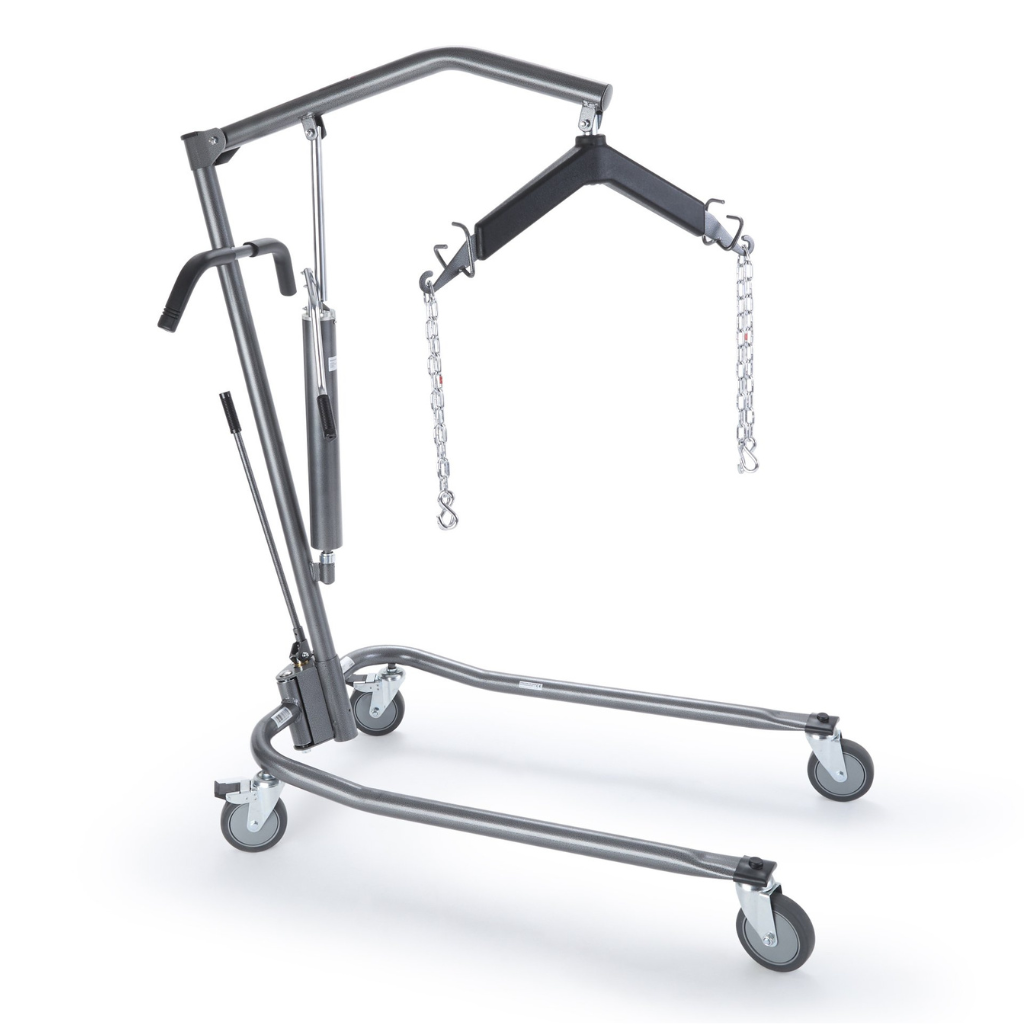
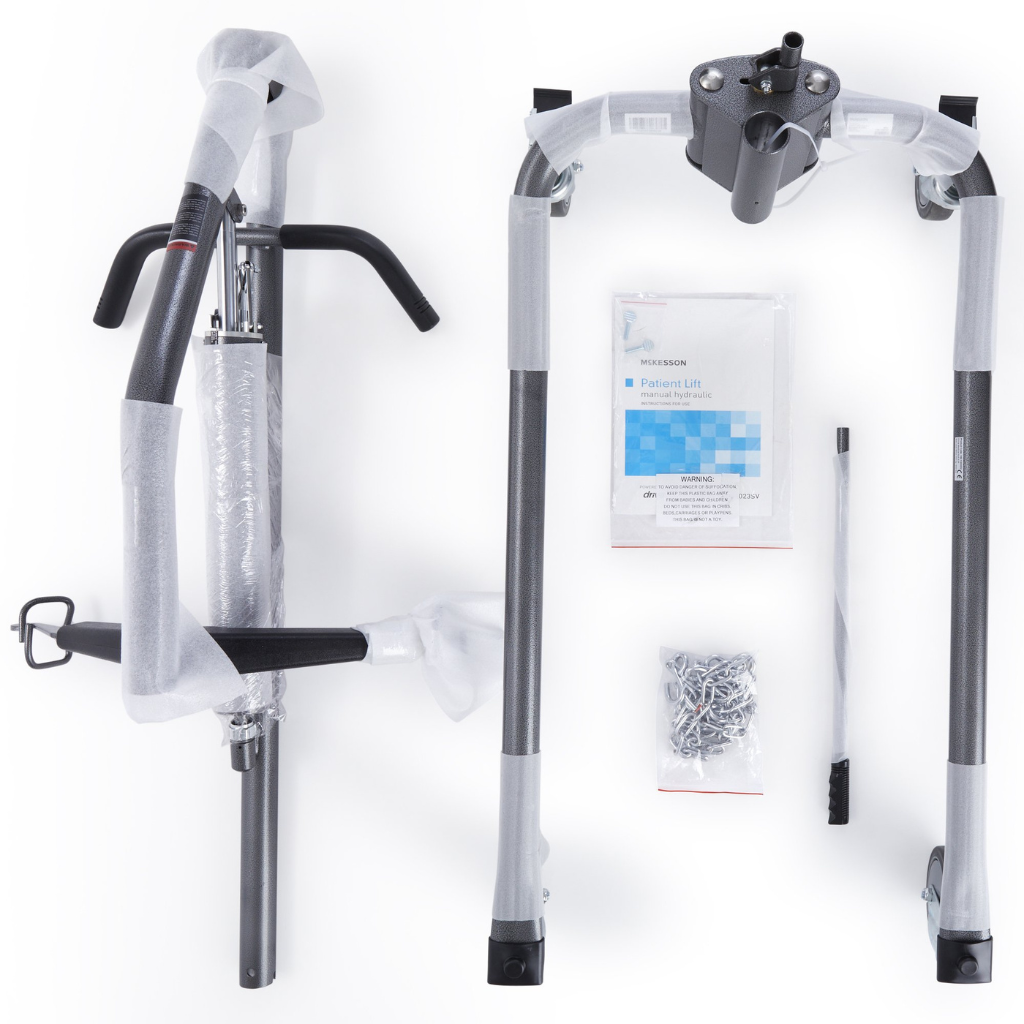


Protekt Transformer Portable Patient Lift – Compact Hydraulic Hoyer Lift with Electric Upgrade Option


Joerns Hoyer HPL450 Patient Lift


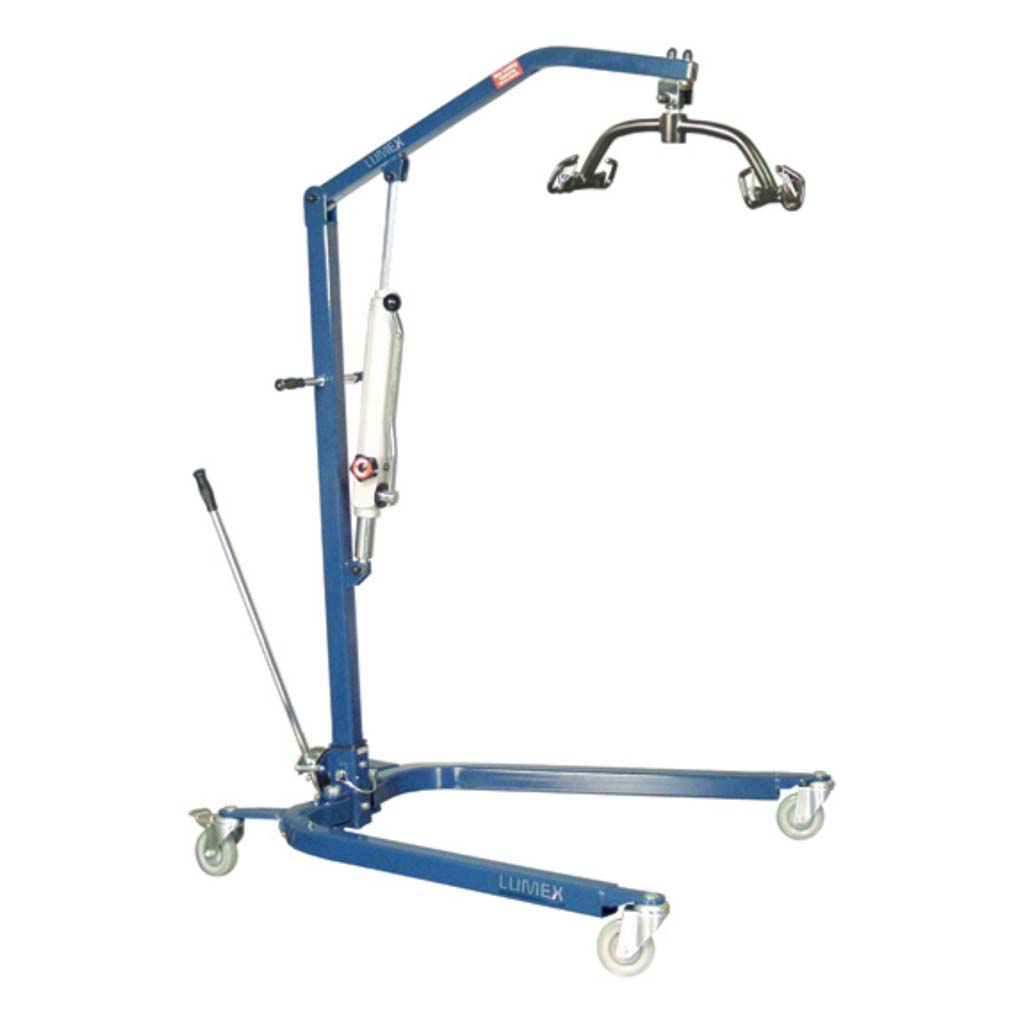
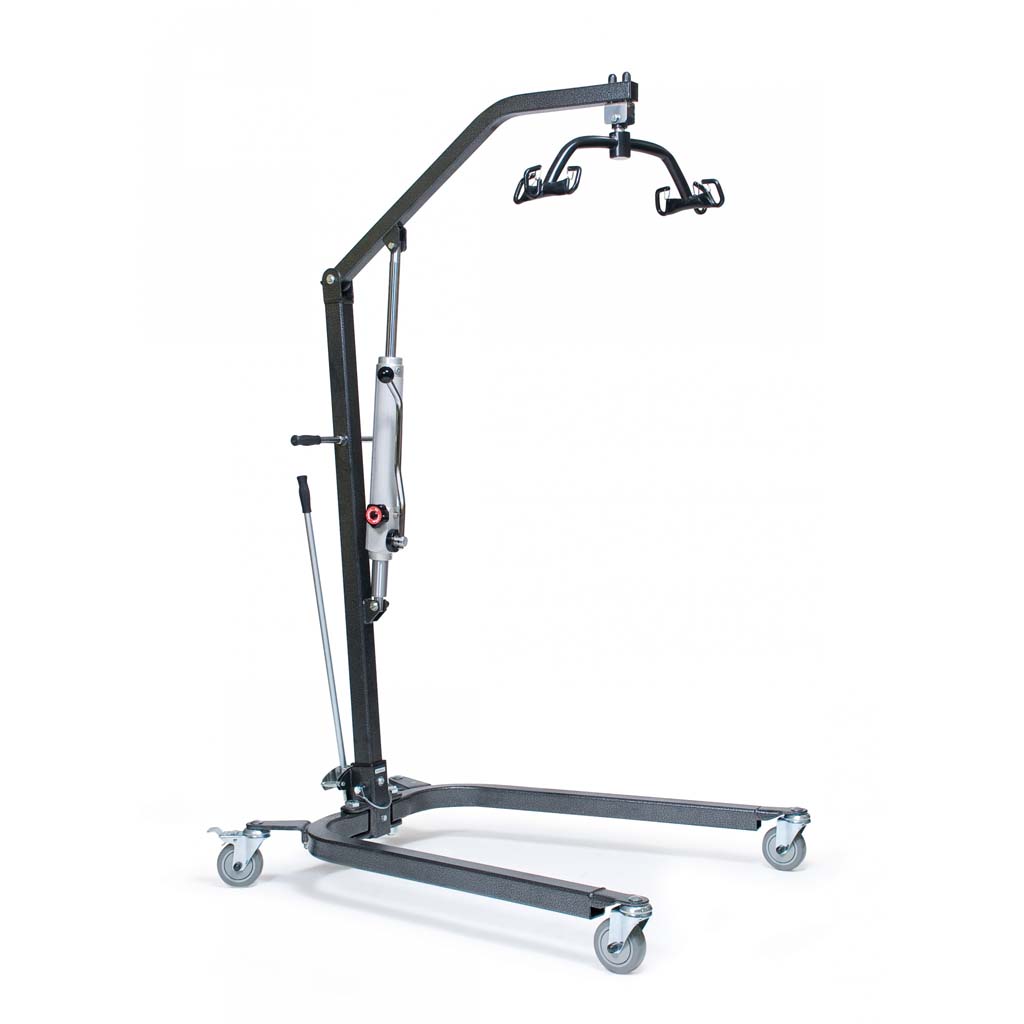
Lumex Patient Lift – Durable and Ergonomic Hydraulic Patient Lift for Safe Transfers
Choosing the Best Patient Lifts for Sale
Finding the right patient lifts for sale is one of the most important decisions for safe homecare, senior care, rehab recovery, and caregiver support. Hydraulic patient lifts are designed to help transfer individuals who cannot safely stand, pivot, or move between a bed, wheelchair, toilet, commode, recliner, or chair without assistance.
This category focuses on dependable manual hoyer lifts and hydraulic transfer lifts for patients who need safe, controlled lifting without relying on electricity. These lifts for patients are especially valuable for caregivers who want to reduce back strain, prevent unsafe manual lifting, and create a safer transfer routine at home or in care facilities.
Why this category matters: The right hydraulic patient lift can reduce caregiver injury risk, improve patient safety, support bed-to-wheelchair transfers, help with toileting transfers, and provide a more affordable alternative to powered lifts for many homecare situations.
What to Compare Before You Buy
When comparing lifts for elderly users or patients with limited mobility, look closely at weight capacity, lifting range, base width, caster size, sling compatibility, spreader bar style, ability to lift from low positions, and whether the lift can disassemble for storage or transport. A 450 lb hydraulic lift may be best for heavier daily use, while a compact 400 lb portable patient lift may be better for smaller homes or caregivers who need easier transport.
Hydraulic lifts are typically best when you need a reliable, lower-cost patient transfer solution that does not require charging. If the caregiver performs many transfers per day or needs less physical pumping effort, an electric hoyer lift may be a better long-term option.
Explore More Patient Lift Resources
📚 Complete Patient Lift Learning Center
Whether you’re comparing patient lifts, selecting the right sling, planning a safe transfer, or looking for expert buying advice, explore our complete collection of guides, assessment tools, downloadable comparison charts, and educational resources.
Buying Guides & Educational Resources
👉 The Complete Guide to Choosing Patient Lifts
👉 How to Transfer an Elderly Patient Safely at Home
👉 Complete Guide to Choosing the Right Patient Lift Sling
👉 Patient Transfer Lift Assessment Tool
Free Comparison Charts & Downloads
Need Help Choosing a Hydraulic Patient Lift?
Every transfer situation is different. If you are comparing patient lifts for sale, start by deciding whether your priority is affordability, portability, floor pickup ability, sling compatibility, caregiver effort, or daily homecare use.


