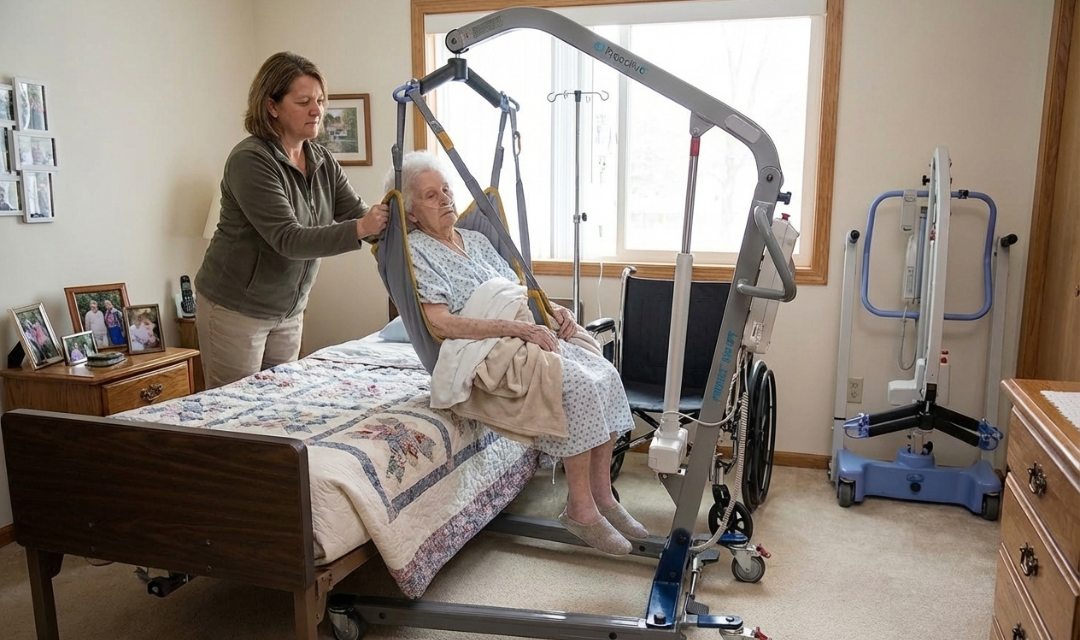

Leaving the hospital should feel like a moment of relief and hope — a sign of recovery and moving forward. But for millions of patients and families each year, this transition is filled with risk if the right hospital discharge planning steps aren’t taken. In fact, nearly 1 in 5 Medicare patients are readmitted within 30 days of discharge, often due to preventable issues like medication mismanagement, falls, or lack of proper equipment at home.
That’s where discharge planning becomes not just helpful, but essential. A safe, structured plan for after hospital care can make the difference between healing at home and ending up back in the ER. Yet many families feel overwhelmed and unprepared when faced with the reality of arranging home care after hospital discharge — from medications and follow-up visits to mobility, safety, and caregiver support.
This guide is here to change that. We’ve created a comprehensive Hospital-to-Home Checklist designed to help families, caregivers, and patients prepare every detail before the discharge date. Inside, you’ll find a step-by-step breakdown of what you need — medically, emotionally, and logistically — to ensure a safe, smooth, and stress-free transition.
✅ Plus: You can download the free printable checklist at the end of this article to keep on hand, share with your care team, and make sure no critical step gets overlooked.
Understanding Discharge Planning: The Bridge Between Hospital and Home
When a patient leaves the hospital, it’s not the end of care — it’s the beginning of a critical new chapter. Hospital discharge planning is the process of preparing a safe and effective transition from hospital to home or another care setting. It involves far more than signing papers and arranging a ride home. Done correctly, discharge planning reduces the risk of complications, prevents unnecessary readmissions, and ensures that patients and families know exactly what comes next.
At its core, discharge planning answers three big questions:
-
What care does the patient still need? (medications, wound care, therapy, follow-up visits)
-
Where will that care happen? (at home, in a rehabilitation center, or with skilled nursing support)
-
Who will provide the care? (family caregivers, home health aides, or outpatient clinicians)
Unfortunately, many families discover gaps in the plan only after hospital care begins — when they realize the home isn’t set up for mobility needs, medications are confusing, or follow-up appointments weren’t scheduled. These oversights can have serious consequences: research shows that inadequate discharge planning is one of the leading causes of avoidable hospital readmissions.
That’s why taking time to prepare for home care after hospital discharge is so important. It ensures that the patient has everything needed to heal safely, comfortably, and with confidence. The most successful discharges happen when the hospital care team and the family work together to anticipate not just medical needs, but also practical, day-to-day challenges at home.
In the next section, we’ll walk you through a step-by-step checklist that covers every major category of recovery — from medications and follow-up appointments to mobility aids, safety equipment, and caregiver support. This isn’t just a list; it’s a framework to help families reduce stress, improve recovery outcomes, and protect their loved one’s health during the vulnerable weeks after leaving the hospital.
The Essential Hospital-to-Home Checklist
Every patient’s journey looks different, but certain needs are universal when transitioning from hospital to home. This hospital discharge planning checklist is designed to help families and caregivers cover every base — from medications and safety to equipment and caregiver support. Each category includes practical tips and a mini-checklist for quick scanning.
1. Medical Care Needs
The first step in any safe transition is understanding the patient’s medical care requirements after hospital discharge. Hospitals often send families home with new prescriptions, wound care instructions, or follow-up appointments. Without clear organization, it’s easy to miss doses or forget a visit — increasing the risk of complications.
Tips & Guidance:
-
Use pill organizers or medication reminder apps to keep track of complex regimens.
-
Ask the hospital about durable medical equipment (like oxygen concentrators or suction machines) that may be covered by insurance.
-
Schedule follow-ups before discharge and confirm transportation.
Mini-Checklist:
-
Written medication list with dosages/times
-
Next appointments scheduled and written down
-
Equipment prescriptions (if applicable)
2. Mobility & Safety
Falls are one of the top reasons patients return to the hospital. When planning after hospital care, safety must come first — especially for seniors or those with reduced mobility. Simple home adjustments and mobility aids can make the difference between recovery and risk.
Tips & Guidance:
-
Install grab bars in hallways and bathrooms to prevent falls.
-
Keep walkways clear of clutter, cords, and rugs.
-
Consider supportive mobility aids like transport wheelchairs, walkers, or mobility scooters to restore independence.
Mini-Checklist:
-
Grab bars installed in key areas
-
Mobility device fitted and ready (walker, scooter, wheelchair)
-
Home cleared of trip hazards
3. Bed & Comfort
Many patients need more than a standard bed after discharge. A hospital bed at home can improve positioning, reduce pressure injuries, and make caregiving easier. Pairing the right medical mattress with bed assist rails or overbed tables creates both safety and comfort.
Tips & Guidance:
-
For patients with limited mobility, adjustable hospital beds reduce strain on caregivers.
-
Use a pressure relief mattress to lower the risk of bedsores.
-
Add bed rails or assist bars for safer transfers in and out of bed.
-
Overbed tables provide a stable surface for meals, medications, and activities.
Mini-Checklist:
-
Appropriate hospital bed arranged
-
Mattress suited to patient’s condition (foam, alternating pressure, etc.)
-
Bed assist bars/rails installed
-
Overbed table for daily essentials
🔗 Browse Hospital Beds | Medical Bed Mattresses
4. Daily Living & Transfers
One of the biggest challenges in home care after hospital discharge is safe patient transfers. Whether moving from bed to chair or to the bathroom, improper lifting can cause serious injuries for both patients and caregivers.
Tips & Guidance:
-
Use patient transfer lifts to reduce strain during moves.
-
Transfer chairs and standing aids allow patients to move with dignity and safety.
-
For lighter assistance, sliding boards or gait belts may be appropriate.
Mini-Checklist:
-
Transfer lift or chair in place
-
Caregiver trained on equipment use
-
Non-slip footwear available
🔗 View Patient Lifts | Transfer Chairs
5. Bathroom Safety
Bathrooms are one of the most dangerous spaces after discharge, especially for those with mobility or balance challenges. Proper planning can prevent falls and accidents.
Tips & Guidance:
-
Install shower chairs or bath benches for seated bathing.
-
Add raised toilet seats or commodes to make transfers easier.
-
Consider a bath lift for patients with significant mobility restrictions.
-
Ensure all floors have non-slip mats.
Mini-Checklist:
-
Shower chair or bath bench set up
-
Raised toilet seat or commode ready
-
Non-slip mats installed
🔗 Shop Bathroom Safety Products
6. Nutrition & Support
Proper nutrition and hydration are often overlooked in discharge planning. Yet, they play a vital role in recovery. Patients may need modified diets, meal prep support, or even medical feeding equipment.
Tips & Guidance:
-
Prepare meals in advance to reduce stress.
-
Keep hydration aids (like bedside water pitchers) within easy reach.
-
If recommended, arrange IV poles or feeding pumps before discharge.
Mini-Checklist:
-
Meal prep plan in place
-
Hydration reminders/tools available
-
Medical nutrition support arranged (if needed)
7. Caregiver Resources
No discharge plan is complete without considering the caregiver. Family members often take on significant responsibilities overnight. Having proper support reduces burnout and improves patient outcomes.
Tips & Guidance:
-
Ask for caregiver training at the hospital before discharge.
-
Save numbers for 24/7 nurse hotlines or local urgent care.
-
Consider respite care options for longer recoveries.
Mini-Checklist:
-
Caregiver training completed
-
Emergency contacts posted
-
Backup support plan arranged
The Downloadable Master Checklist
Preparing for life after the hospital can feel overwhelming. That’s why we’ve created the Hospital-to-Home Master Checklist — a polished, one-page printable guide that breaks everything down room by room. It’s designed to help families stay organized, reduce stress, and make sure no critical detail gets overlooked during this important transition.
📥 Get Your Free Download: Enter your email below to receive the full Hospital-to-Home Checklist PDF instantly. Print it, share it with your care team, or keep it on your fridge for daily reference.
This isn’t just another handout — it’s a comprehensive discharge planning tool built around real-world recovery needs.