A toileting sling for hoyer lift use is designed to help make bathroom and hygiene-related transfers safer, easier, and more dignified for both patients and caregivers. Whether you call them commode slings, commode opening slings, hygiene slings, or toileting slings, these products are built to provide the support needed for transfers while allowing better access for toileting and personal care.
For many families and caregivers, this category solves one of the most difficult daily challenges: how to safely move a patient to and from the toilet or commode without causing strain, instability, or unnecessary discomfort. The right hoyer lift sling for toileting can reduce caregiver effort, improve patient positioning, and make routine hygiene care far more manageable at home or in professional care settings.
As you compare products in this category, it is important to understand that not every commode sling works the same way. Support level, head support, padding, mesh vs fabric, weight capacity, and lift compatibility all matter. Some patients need broader full-body support with a commode opening, while others may do better with a more open access-style sling built specifically for toileting and dressing tasks.
What Is a Toileting Sling for Hoyer Lift Use?
A toileting sling for hoyer lift use is a patient lift sling designed to assist with transfers where toileting, hygiene care, dressing, or bathroom access is a priority. These slings typically feature a commode opening or access design that allows easier toileting support while the patient remains safely supported during the transfer.
In simple terms: a commode sling or hoyer lift sling for toileting helps patients get the support they need from a lift while giving caregivers the access they need for bathroom and hygiene routines.
Who These Slings Are Best For
- Patients who need help getting to and from a toilet or commode safely
- Caregivers managing daily hygiene and dressing routines
- Seniors or disabled individuals who cannot safely stand or pivot on their own
- Patients who need lift support but still require open access for toileting
- Homecare and facility settings where bathroom transfers happen regularly
What to Look for Before Buying
Choosing the right toileting sling for hoyer lift use requires more than just picking any sling with an opening. Some models offer full body support with a commode opening, while others are more access-focused and depend on the patient having stronger upper body control. The best choice depends on the patient’s condition, support needs, and the lift system being used.
1. Support Level
Some commode opening slings are designed with broad back and thigh support for patients who need more stability, while others are made for more active patients who can tolerate a more open toileting design. If the patient has weak trunk control or needs more passive lifting, a more supportive toileting sling is usually the better option.
2. Hygiene Access
The main reason buyers choose a commode sling is for easier access during bathroom routines. Compare how open or supportive the sling is, and think about whether the patient needs help mainly with toileting, dressing, showering, or all of the above.
3. Mesh, Padding, and Comfort
Mesh toileting slings are especially useful for shower and commode use because they drain and dry quickly. Padded options may be better for delicate skin, longer seated support, or patients who need more comfort during transfers. The right material can make a big difference in daily use.
4. Head Support
Not every hoyer lift sling for toileting includes head and neck support. For some patients, that may be perfectly fine. For others, especially those with limited head control or more advanced weakness, choosing the wrong design can reduce safety and positioning stability.
5. Lift Compatibility
Always confirm whether the sling works with your spreader bar or cradle type. Some commode slings are designed for loop systems, while others are built for clip connections or specific 4-point and 6-point lift setups. Compatibility is one of the most important details to verify before purchasing.
Why This Category Matters
Bathroom transfers are one of the most sensitive and difficult parts of caregiving. A well-chosen commode sling can improve dignity, reduce stress, support safer hygiene care, and help prevent transfer-related injuries for both the caregiver and the patient. This is why toileting slings are such an important category within patient lift slings.
If you are comparing sling types, it may also help to explore other categories depending on the level of support and transfer style required.
Full Body Slings
Better for patients who need more complete overall support during transfers.
Sit to Stand Slings
Ideal for patients with some weight-bearing ability who need standing transfer support.
Divided Leg Slings
A strong option when buyers need another style of supported transfer sling with different leg positioning.
Need Help Comparing Sling Types?
Our complete patient lift sling guide breaks down the differences between toileting slings, commode opening slings, full body slings, divided leg slings, and sit-to-stand slings so you can choose the option that best fits the patient’s real transfer needs.
Compare the top commode opening slings, toileting slings, and hygiene access slings side by side to see which option offers the right support, bathroom access, compatibility, and comfort for your needs. This comparison helps you review the most important buying details, including support type, weight capacity, toileting access, and lift fit, so you can choose the best hoyer lift sling for toileting with more confidence.
Commode Slings Comparison
| Product | Type | Weight Capacity | Best Use For | Key Buying Details | Lift / Cradle Compatibility |
|---|---|---|---|---|---|
| Invacare Full Body Sling with Commode Opening, Mesh | Full body commode sling | Not specified | Toileting, bed-to-wheelchair, toilet or shower chair transfers, limited head control | Mesh dries quickly, commode opening for hygiene access, washable, can be used for amputee users in reclined position | Invacare Reliant 450/600, Jasmine, Berdie Evo XPlus, and 9805P lifts |
| Invacare Mesh Comfort Sling with Commode Opening | Full body / comfort commode sling | 500 lb | Amputees, chronic postural pain, toileting, long seated support, bathing | Full head, neck, back and partial under-thigh support, breathable mesh, quick-drain fabric, clear labeling, designed for delicate needs | Invacare Reliant 450/600, Berdie Evo XPlus, Jasmine, 9805P, and Reliant / I-Lift via 4-point hook-up |
| McKesson Full Body Commode Sling 4 or 6 Point | Full body commode sling | 600 lb | Toileting, floor-lift transfers, wheelchair or commode positioning, high-capacity use | Mesh polyester, reinforced attachment points, high back, padded under-thigh section, outer positioning handle, commode opening | Any floor-style lift; designed with 4 sling points for 4- or 6-cradle point compatibility |
| Proactive Medical Full Body Mesh Sling with Commode Opening | Full body commode sling | 600 lb | Toileting, showering, bathing, bariatric transfers, home and facility hygiene care | Integrated commode opening, breathable mesh, reinforced stitching, multiple sizes, daily hygiene-focused full support | Fits most standard patient lifts |
| Joerns Hoyer Long Seat Sling with Commode Opening | Long seat commode sling | Not specified | Paralysis, amputee support, longer seated transfers, sitting or lying transfers, hygiene access | Breathable polyester, hammock-style support from mid-thigh to upper back, commode opening, designed for extended comfort | Advance, Elara, HPL500, HPL700, Presence, Stature; intended for loop spreader bar; 4- or 6-point cradle / spreader bar noted |
| Joerns Hoyer Comfort Access Padded Sling | Access / padded commode sling | Not specified | Toileting, basic transfers, dressing and undressing, patients needing padded comfort | Available with or without head support, adjustable body belt, breathable mesh, extra leg padding, non-slip back, clip connections | Joerns Presence, Advance, and Stature lifts; four clip connections for clip cradle systems |
| Invacare Toileting Sling | Toileting sling | Not specified | Toileting transfers where patient has full head and neck control | Fully padded back and under-thigh comfort, brushed lining helps prevent sliding, wet or dry use, color-coded positioning straps | Invacare Reliant 450/600, Jasmine, and 9805P lifts |
| Joerns Hoyer Professional Access Toileting-Hygiene Loop Style Sling | Access / toileting-hygiene loop sling | 500 lb | Toileting and hygiene transfers with passive patient lifts | Available in access or access-with-head-support options, designed for hygiene positioning while maintaining lift support | Loop-style spreader bar |
Shopping for a toileting sling for hoyer lift use often comes with important questions about support level, bathroom access, head support, lift compatibility, patient safety, and what type of commode opening sling is actually best for the person being cared for. These are some of the most important buyer questions people ask when trying to choose the right hoyer lift sling for toileting at home or in a care setting.
The answers below are written to help you better compare toileting slings, commode slings, and commode opening slings with real patient and caregiver needs in mind, so you can make a safer and more confident buying decision.
Toileting Sling for Hoyer Lift FAQs
What is a toileting sling for hoyer lift used for?
A toileting sling for hoyer lift use is designed to help transfer a patient safely while giving better access for toileting, hygiene care, dressing, or commode use. Unlike many standard full support slings, these slings are made with an opening or access design that allows caregivers to assist with bathroom routines more easily while the patient remains supported by the lift.
What is the difference between a toileting sling and a commode sling?
In most cases, a toileting sling and a commode sling refer to the same general type of patient lift sling. Both are designed to allow easier bathroom access during transfers. Some models are more open and access-focused, while others are more supportive full body slings with a commode opening built in. Buyers should compare how much body support the patient needs before choosing between these styles.
Who should use a hoyer lift sling for toileting?
A hoyer lift sling for toileting is often best for patients who cannot safely walk to the bathroom or complete a toilet transfer without assistance. These slings are commonly used for elderly patients, disabled individuals, post-surgical recovery, and homecare situations where safe bathroom transfers are a daily challenge. The right choice depends on whether the patient has good head control, trunk stability, and the ability to tolerate a more open sling design.
Are commode opening slings safe for patients with poor head or trunk control?
Some are, but not all. This is one of the most important things to check before buying. Certain commode opening slings provide broad back support and may include head support, while others are more access-focused and better suited for patients with stronger upper body control. For patients who need more stability, a supportive option such as the Invacare Mesh Comfort Sling with Commode Opening or a more supportive full body sling may be more appropriate.
How do I choose the best toileting sling for hoyer lift use at home?
The best toileting sling for hoyer lift use depends on the patient’s mobility level, body support needs, toileting routine, and the type of lift being used. Buyers should look at head support, material, padding, weight capacity, opening design, and compatibility with their spreader bar or cradle system. If the patient needs more support during hygiene care, a full body commode sling may be better than a more open access sling.
What is the difference between a full body commode sling and an access toileting sling?
A full body commode sling gives more overall support across the back and thighs while still allowing bathroom access through a commode opening. An access toileting sling is usually more open and is designed to improve caregiver access for toileting, dressing, and hygiene routines. Full body styles are often better for patients who need more support, while access styles can be better for patients with more control and tolerance for a lighter support design.
Can a commode sling also be used for shower and hygiene transfers?
Yes, many commode slings are also useful for showering and hygiene-related transfers, especially when made from breathable mesh. For example, the Proactive Medical Full Body Mesh Sling with Commode Opening and the Invacare Full Body Sling with Commode Opening, Mesh are designed with bathroom and hygiene use in mind. Mesh materials usually dry faster and perform better in wet environments.
Do all toileting slings have head support?
No. Some toileting slings include head and upper back support, while others do not. This matters a great deal for safety. If the patient has weak head control, poor trunk control, or needs more passive lifting, make sure the sling specifically provides the support level required. Buyers should never assume every hoyer lift sling for toileting offers the same level of body support.
What material is best for a hoyer lift sling for toileting?
Mesh is often one of the most popular choices for a hoyer lift sling for toileting because it is breathable, dries faster, and works well in shower or hygiene environments. Padded options can be better for comfort, delicate skin, or patients who may remain supported longer during transfers. The right material depends on whether the sling will be used mainly for toileting, bathing, dressing, or a combination of all three.
Are toileting slings universal for all patient lifts?
Not always. Some toileting slings are designed for loop-style spreader bars, while others use clip connections or are made for specific 4-point or 6-point cradle systems. Before buying, always confirm that the sling works with your exact lift setup. For example, some Joerns slings are designed for specific Joerns lift systems, while certain Invacare options match Reliant, Jasmine, or related lift models.
What weight capacity should I look for in a commode sling?
The sling should always support at least the patient’s full body weight, and ideally with an appropriate safety margin. Weight capacities vary by model. If you need a higher-capacity option, products like the McKesson Full Body Commode Sling 4 or 6 Point and the Proactive Medical Full Body Mesh Sling with Commode Opening may be worth reviewing because they are listed with 600 lb capacity in this category.
Is a toileting sling the same as a divided leg sling?
No. While there can be some overlap in function depending on the design, a toileting sling is specifically built to improve bathroom and hygiene access during transfers. A divided leg sling is a different style of patient lift sling with separate leg sections and different positioning characteristics. If you are comparing categories, you may also want to explore divided leg slings and full body slings to see what level of access versus support is best for the patient.
What is the best commode sling for elderly patients?
The best commode sling for an elderly patient is the one that matches their actual support needs, not just the bathroom task itself. Some elderly patients do better with a more supportive full body commode sling, while others can safely use a lighter access-style toileting sling. Look for the right balance of support, comfort, ease of caregiver use, and lift compatibility. If you need help comparing sling styles overall, see our patient lift sling guide.
Can I use a full body sling with a commode opening instead of a standard toileting sling?
Yes, in many cases that is actually the better option for patients who need more support. A full body sling with a commode opening can offer better stability during bathroom transfers while still giving access for hygiene care. This can be especially helpful for patients with weakness, limited trunk control, or a need for more secure positioning during transfers.
Where can I compare different toileting slings and commode opening slings?
You can compare the products in this category by looking at support type, head support, weight capacity, material, opening design, and lift compatibility. It may also help to compare related categories such as full body slings, sit to stand slings, and divided leg slings depending on the patient’s transfer needs.
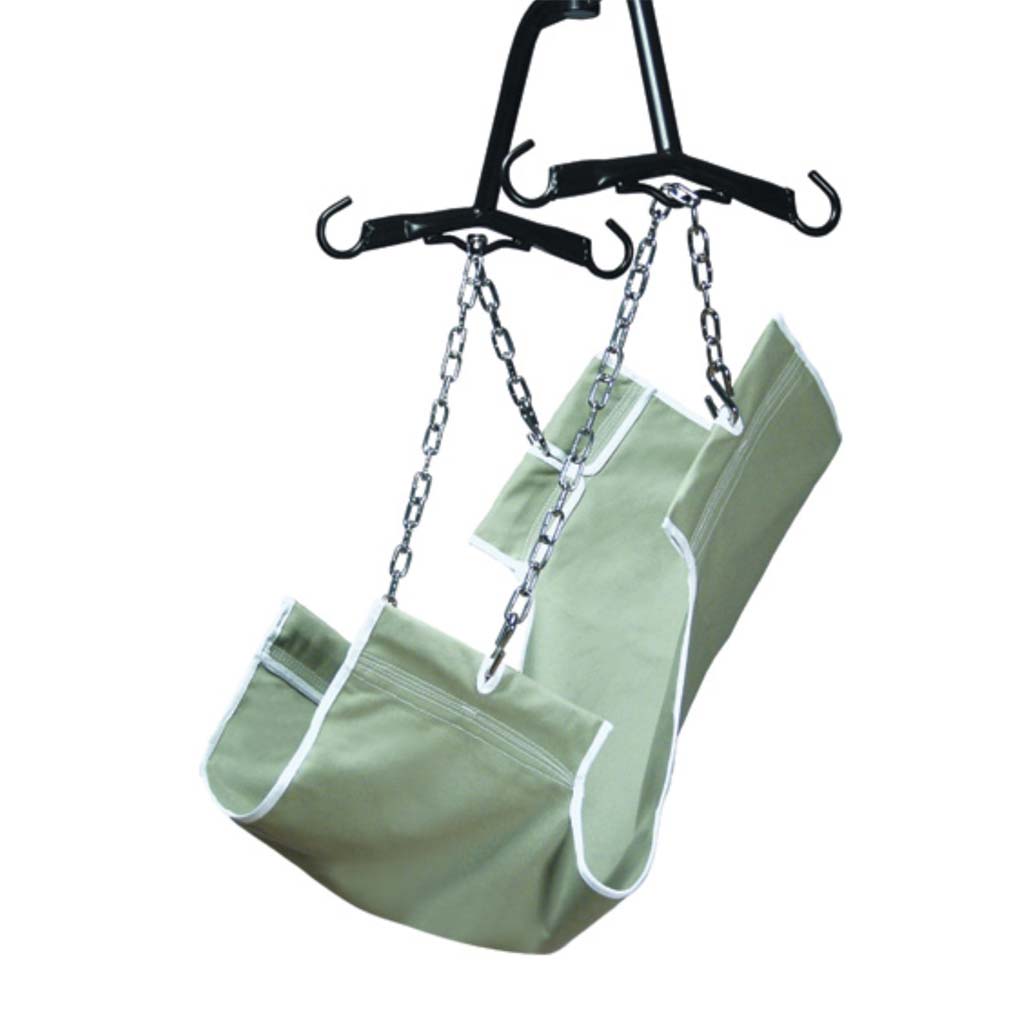

Graham-Field 2-Point Slings
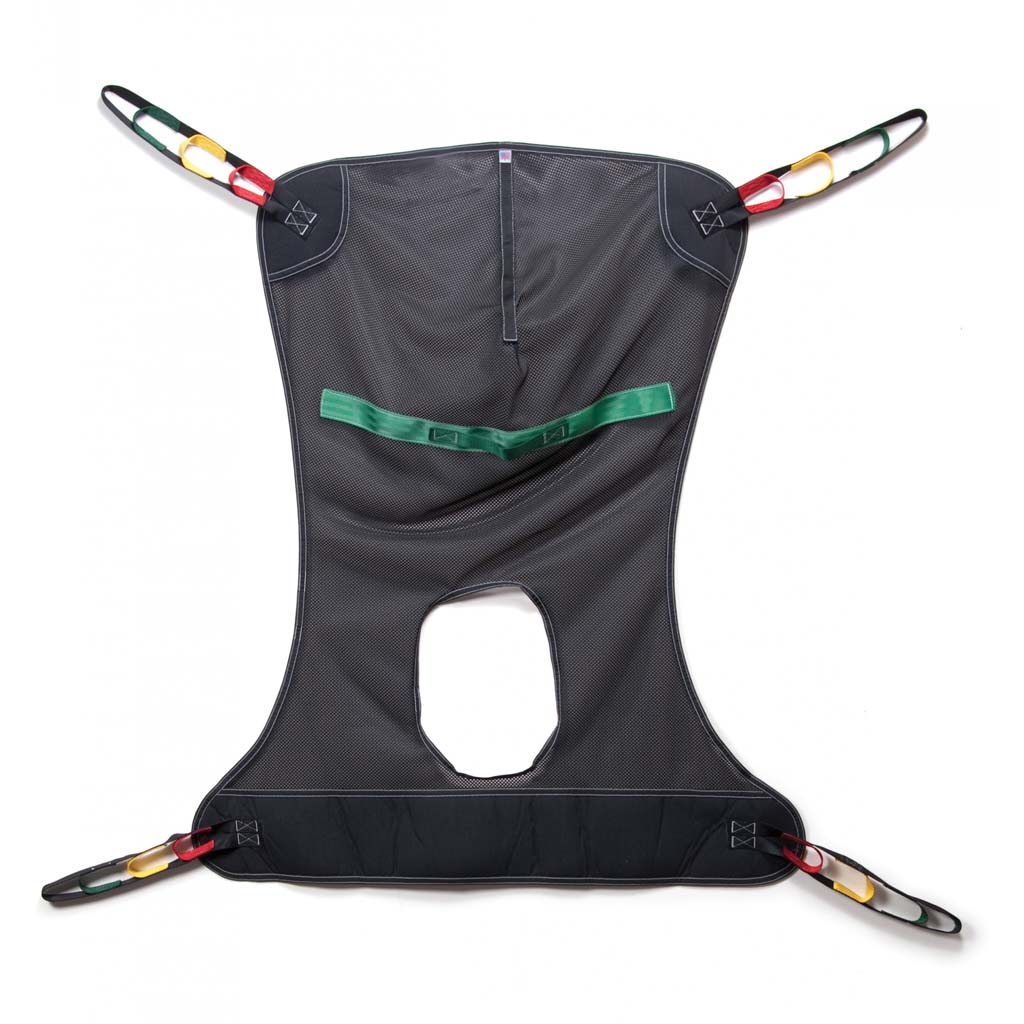
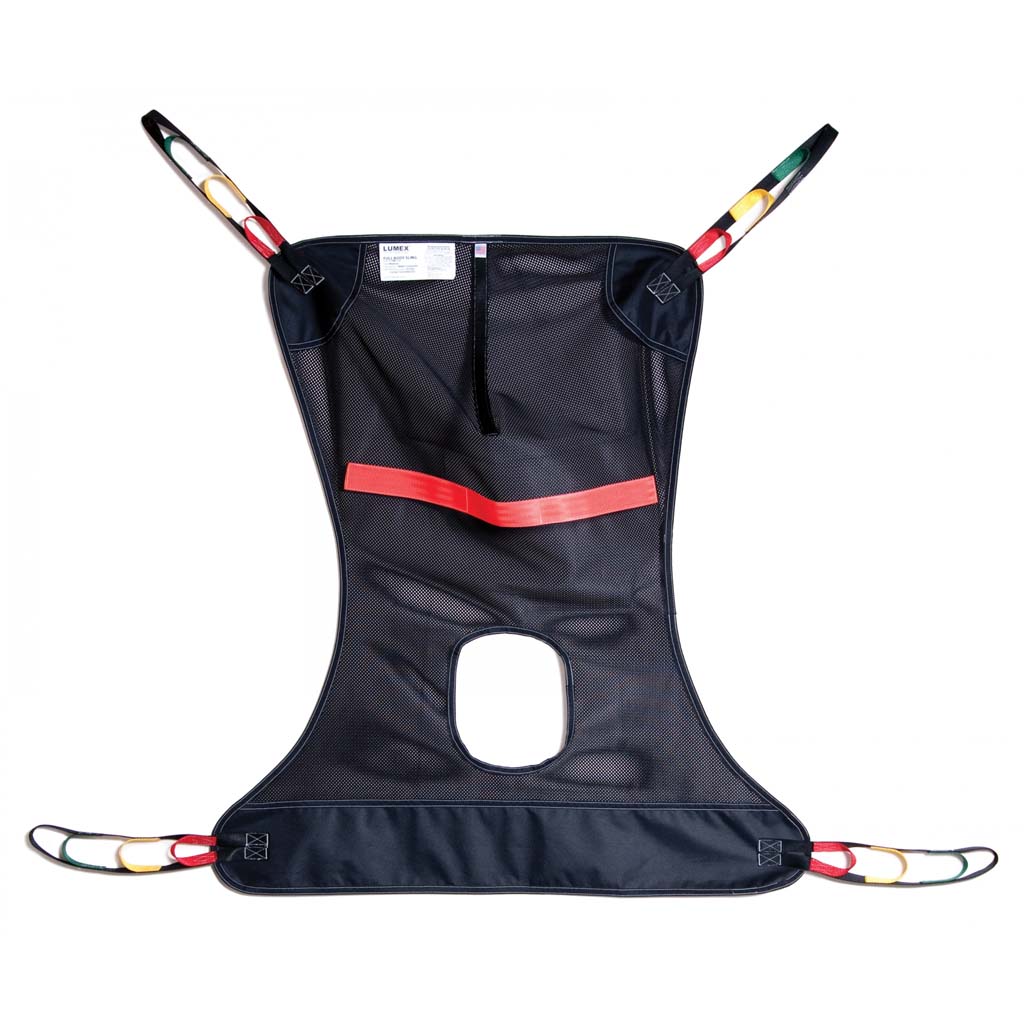
Graham-Field Full-Body Mesh Commode Sling

Proactive Medical Full Body Mesh Sling with Commode Opening – Secure, Hygienic Transfers


Invacare Full Body Sling with Commode Opening, Mesh
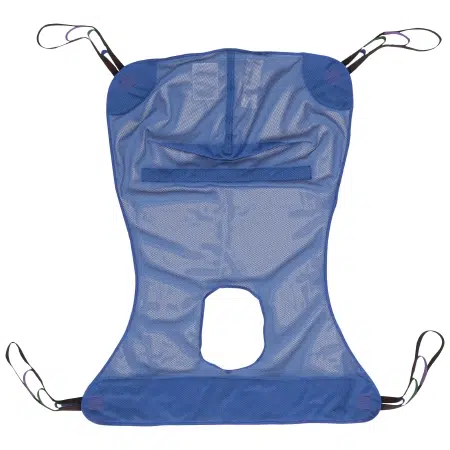
McKesson Full Body Commode Sling 4 or 6 Point Without Head Support Mesh

ProBasics Full Body Sling With Commode Opening Mesh


Invacare Mesh Comfort Sling with Commode Opening - Superior Support & Comfort for Safe Transfers


Invacare Heavy Duty Full Body Sling, Mesh, XXL
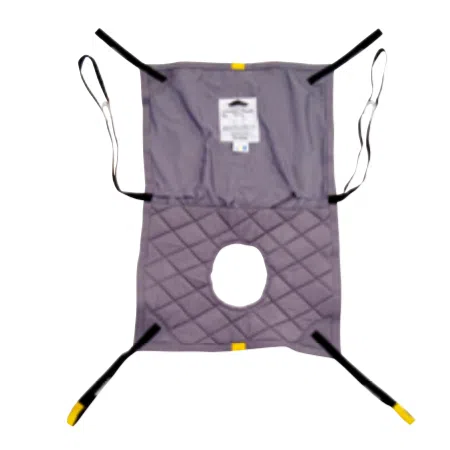

Joerns Hoyer Long Seat Sling with Commode Opening– Full Support for Seated Transfers


Joerns Hoyer One Piece Sling with Positioning Strap – Safe, Comfortable, and Amputee-Friendly Transfers
Toileting Sling for Hoyer Lift – Safe & Easy Bathroom Transfers
A toileting sling for hoyer lift use is one of the most important solutions for safe, comfortable, and dignified bathroom transfers. Whether referred to as a commode sling, commode opening sling, or hoyer lift sling for toileting, these slings are specifically designed to support the patient while allowing easier access for toileting, hygiene care, and dressing.
For caregivers and families, bathroom transfers can be one of the most difficult and sensitive parts of daily care. The right sling helps reduce strain, improve safety, and provide better positioning during transfers to a toilet or commode. Choosing the correct toileting sling can make a significant difference in both patient comfort and caregiver confidence.
Why it matters: A properly selected commode sling allows safer hygiene routines, reduces transfer risks, and helps maintain dignity during bathroom care — one of the most important daily needs for patients and caregivers.
What to Look for When Choosing a Toileting Sling
Not all toileting slings are the same. Some provide full body support with a commode opening, while others are more open access slings designed for easier dressing and hygiene routines. When selecting the best hoyer lift sling for toileting, consider:
- Support level (full body vs access sling)
- Head and neck support requirements
- Material type (mesh vs padded)
- Weight capacity and sizing
- Compatibility with your lift system (4-point, 6-point, loop or clip)
The best toileting sling for hoyer lift transfers is one that matches both the patient’s physical condition and the caregiver’s daily routine. Some users may benefit from a more supportive full body commode sling, while others may prefer a lighter access-style sling for easier toileting.
Explore Other Patient Lift Sling Options
Depending on the level of support needed, you may also want to compare other sling categories. Each type serves a different purpose and may be better suited depending on the patient’s mobility and transfer needs:
Best for patients who require full support across the body during transfers.
Ideal for patients with some weight-bearing ability who need standing support.
Offers alternative positioning and support depending on transfer needs.
Need Help Choosing the Right Sling?
Our complete guide explains the differences between toileting slings, full body slings, and other patient lift sling types so you can choose the safest and most effective option.