

A full body sling for hoyer lift use is one of the most important transfer solutions for patients who need dependable, full-body support during lifting and repositioning. Whether you are caring for an elderly loved one at home, managing daily transfers in a facility, or trying to reduce caregiver strain, choosing the right full body sling lift can make transfers safer, smoother, and far more comfortable.
This category is especially important for buyers looking for secure support from the upper back and torso down through the legs, and in many cases with added head and neck support as well. The right sling can help with bed-to-wheelchair transfers, shower transfers, hygiene routines, and general repositioning while reducing the risk of slipping, poor positioning, or discomfort.
As you explore these products, it is important to look beyond just the sling name. Material type, weight capacity, patient condition, lift compatibility, body support level, and intended use all matter when selecting the best full body sling for hoyer lift systems.
What Is a Full Body Sling for Hoyer Lift?
A full body sling for hoyer lift transfers is designed to cradle and support most or all of the patient’s body while attached to a manual or electric patient lift. These slings are commonly used for patients with limited mobility, poor trunk control, weakness after surgery, long-term disability, or situations where a caregiver needs maximum transfer stability.
In simple terms: a full body sling lift is usually the best choice when a patient cannot safely assist much during a transfer and needs broader, more secure support than a basic transfer sling or toileting sling can provide.
Who Typically Benefits Most from a Full Body Sling Lift?
- Patients with limited or no weight-bearing ability
- Seniors who need safer bed-to-chair or chair-to-commode transfers
- Individuals with weak trunk or head control
- Patients recovering from surgery, injury, or extended illness
- Caregivers looking to reduce physical strain during transfers
- Homecare and facility settings that require reliable everyday lift support
What to Look for Before Buying
When comparing products in this category, the best buying decision usually comes down to matching the sling to the patient’s actual support needs and to the lift being used. A sling that works perfectly for bathing may not be the best option for long seated support, and a sling designed for a 6-point cradle may not be ideal for another lift setup.
1. Support Level
Some full body sling lift models are better for general-purpose transfers, while others are made for higher-support situations such as passive transfers, amputee support, or patients who need better head and back positioning. If the patient has poor upper-body control, look closely at head support and full-back coverage.
2. Fabric Type
Mesh full body sling for hoyer lift models are especially useful for bathing and shower transfers because they dry quickly and promote airflow. Padded or more supportive fabric options may be better for general transfers when comfort and pressure distribution are bigger priorities.
3. Weight Capacity
Always check the stated sling weight capacity and compare it to the patient’s weight, with an added safety margin when possible. In this category, some options are suited for higher-capacity use, which can be especially important in bariatric care or for buyers who want broader flexibility.
4. Lift and Cradle Compatibility
Not every full body sling lift is universal. Some are designed around specific lift brands, cradle styles, or connection systems such as 4-point or 6-point spreader bars. Confirm compatibility before purchase so the sling works properly with your current patient lift.
5. Everyday Use Case
Think about where and how the sling will actually be used. Some buyers need a sling mainly for bed-to-wheelchair transfers. Others need one for showering, hygiene care, amputee support, or extended seated comfort. Choosing based on daily routine often leads to a much better long-term fit.
Why This Category Matters
For many families and caregivers, finding the right full body sling for hoyer lift use is not just about product features. It is about confidence, safety, dignity, and making daily care easier. A properly chosen sling can help reduce transfer anxiety, improve patient positioning, and support a smoother caregiving routine.
That is why this category includes different full body sling lift options with varying fabrics, support styles, compatibility ranges, and use cases. Some are ideal for wet environments, some focus on passive full-support transfers, and some are better for broad everyday use across different patient conditions.
Need Help Understanding Sling Types, Sizing, and Compatibility?
If you want a deeper breakdown of how to choose the right sling for your patient lift, explore our complete resource guide here:
Compare the top full body patient lift slings side by side to see which option offers the best support, comfort, compatibility, and weight capacity for your needs. This comparison helps you quickly review the most important buying details, including lift fit, sling type, and ideal patient use. If you are looking for safe, reliable full-support transfers, these are some of the best full body sling options to consider.
Full Body Slings Comparison
| Product | Type | Weight Capacity | Best Use For | Key Buying Details | Lift / Cradle Compatibility |
|---|---|---|---|---|---|
| Proactive Medical Full Body Mesh Sling | Full body mesh sling | 600 lb | Bathing, shower transfers, bed-to-chair, bariatric handling, wet environments | Breathable polyester mesh, reinforced stitching, machine washable up to 185°F, multiple sizes, designed for full-body support in wet or dry settings | Compatible with most floor and ceiling patient lifts |
| Invacare Mesh Full Body Sling | Full body / comfort mesh sling | 450 lb | Bed-to-wheelchair, toilet, shower chair, floor-to-bed, limited head control, reclined amputee use | Quick-drying mesh, brushed lining helps prevent sliding, washable, good general full support for dependent or partially dependent users | Invacare Reliant 450/600, Jasmine, and 9805P lifts |
| Joerns Hoyer One Piece Sling with Positioning Strap | General-purpose one-piece full support sling | Not specified | Basic transfers, hygiene care, bathing, amputee support, general homecare or facility use | Positioning strap, soft polyester, reinforced stitching, classic all-in-one design, designed as a broad-use Hoyer sling | Hoyer Classic series and 4-point cradle lifts including HPL450 |
| Joerns Hoyer Full Back Sling | Full back sling with integrated head support | 500 lb | Passive full-support transfers, patients needing full back and head support, general-purpose lifting | Anatomically contoured design, head support built in, soft leg padding, fits most patients comfortably | 6-point passive lifts such as Joerns Hoyer Presence, Stature, and Advance |
| Joerns Hoyer Quickfit Deluxe Sling | General-purpose deluxe full-support sling | Not specified | General transfers across a wide patient range, facilities wanting a versatile everyday sling | Quickfit-based design, more supportive lift feel, available in multiple fabrics and padded versions, sizes from pediatric to XL | 6-point cradle on Joerns Presence, Stature, and Advance lifts |
| Joerns Hoyer Longseat Sling | Longseat full-support specialty sling | Not specified | Amputees, patients remaining in sling longer, bed making, bathing, extended support | Designed for extended seated comfort and safety, washable to 185°F, special-purpose support design | 6-point cradle on Joerns Presence, Stature, and Advance lifts |
Shopping for a full body sling for hoyer lift use often comes with important questions about sizing, support, compatibility, materials, and patient safety. These are some of the most common questions buyers ask when trying to choose the best full body sling lift for homecare, facility care, or daily caregiver use.
The answers below are written to help you better understand what really matters before purchasing, so you can compare options with more confidence and choose the sling that best matches your patient’s needs.
Full Body Sling for Hoyer Lift FAQs
What is a full body sling for hoyer lift used for?
A full body sling for hoyer lift transfers is used to safely lift and move patients who need broad, secure support throughout most or all of the body. These slings are commonly used for bed-to-wheelchair transfers, chair-to-commode transfers, bathing, hygiene care, and repositioning. They are especially helpful when a patient has limited mobility and cannot safely assist during the transfer.
Who should use a full body sling lift?
A full body sling lift is usually best for patients who need more complete support during transfers. This may include seniors with advanced weakness, individuals recovering from surgery, patients with poor trunk control, people with long-term disabilities, or anyone who cannot safely stand or pivot during movement. It is also a strong option for caregivers who want a more stable and supportive transfer setup.
What is the difference between a full body sling and a regular patient lift sling?
A full body sling generally offers broader support across the back, hips, and legs, and in many cases includes head support as well. A more basic or limited-support sling may be intended for toileting, standing assistance, or partial-support transfers. If the patient needs maximum support and security, a full body sling for hoyer lift use is usually the better choice.
How do I know which full body sling for hoyer lift is the right size?
Sizing should be based on the manufacturer’s chart, along with the patient’s weight, body shape, and support needs. A sling that is too small may feel restrictive and unsafe, while one that is too large may allow poor positioning or excess shifting during transfers. When buying a full body sling lift, it is important to review the listed size range carefully rather than guessing based only on clothing size.
Are full body sling lift models universal for all patient lifts?
Not always. Some full body sling lift models are made to work with many lifts, while others are designed around specific brands or cradle systems such as 4-point or 6-point spreader bars. Before purchasing, always confirm sling compatibility with your existing patient lift. This is one of the most important steps when shopping for any full body sling for hoyer lift setup.
Is mesh or fabric better for a full body sling for hoyer lift use?
That depends on how the sling will be used. Mesh slings are often preferred for bathing and shower transfers because they are breathable and dry faster. Standard fabric or padded options may be better for general everyday transfers where comfort, body positioning, or seated support matters more. Many buyers choose based on whether the sling will mainly be used in wet environments or dry transfer routines.
Can a full body sling be used for shower or commode transfers?
Yes, many full body sling lift options can be used for showering, and some are designed specifically for wet environments. However, not every full body sling is ideal for toileting access. If hygiene access is a major part of daily care, you may want to compare full body slings against toileting slings or commode-style options depending on the patient’s needs.
What weight capacity should I look for in a full body sling lift?
The sling should always support at least the patient’s full body weight, and it is wise to choose a model with an appropriate safety margin. Weight capacity can vary significantly from one sling to another, so this should never be assumed. If the patient is bariatric or near the upper limit of standard sling ranges, choosing the correct high-capacity full body sling for hoyer lift use becomes even more important.
Do all full body slings provide head and neck support?
No. Some full body sling lift models include integrated head support, while others focus more on torso and lower-body support. If the patient has poor head control, weakness, or requires passive lifting, make sure the sling specifically offers the upper-body and head support needed for safe transfers.
What is the best full body sling for hoyer lift transfers at home?
The best option depends on the patient’s mobility level, body support needs, transfer environment, and lift compatibility. Some buyers need a breathable sling for bathing, while others need a more supportive sling for general transfers, amputee support, or higher-capacity use. The best full body sling for hoyer lift transfers is the one that properly fits both the patient and the lift while making daily transfers safer and easier.
How can I tell if a full body sling lift is good for elderly patients?
For elderly patients, look for a sling that offers stable body positioning, comfortable support, the right size range, and compatibility with the patient’s lift. Full back coverage, smooth leg support, and easier caregiver handling are all important. A well-matched full body sling lift can greatly improve safety, reduce transfer stress, and make daily care more manageable for both the patient and caregiver.
Can I leave a patient sitting in a full body sling after the transfer?
That depends on the specific sling design and the manufacturer’s instructions. Some slings are meant primarily for transfer use, while others may offer more seated comfort for short periods. In general, buyers should not assume that every full body sling for hoyer lift use is intended for extended seated time. Always review the product details and care instructions before using a sling this way.

Proactive Medical Full Body Mesh Sling – Breathable Support with Maximum Strength
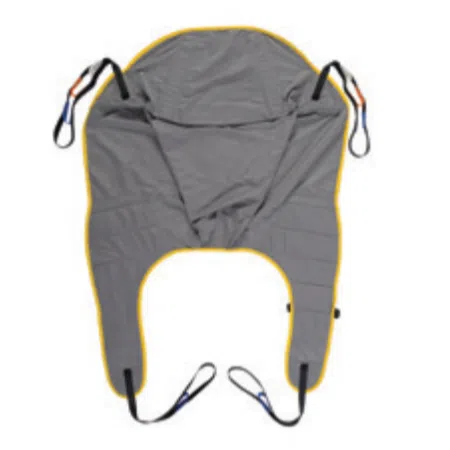

Joerns Hoyer Full Back Sling – Premium Patient Sling with Head Support for 6-Point Lifts
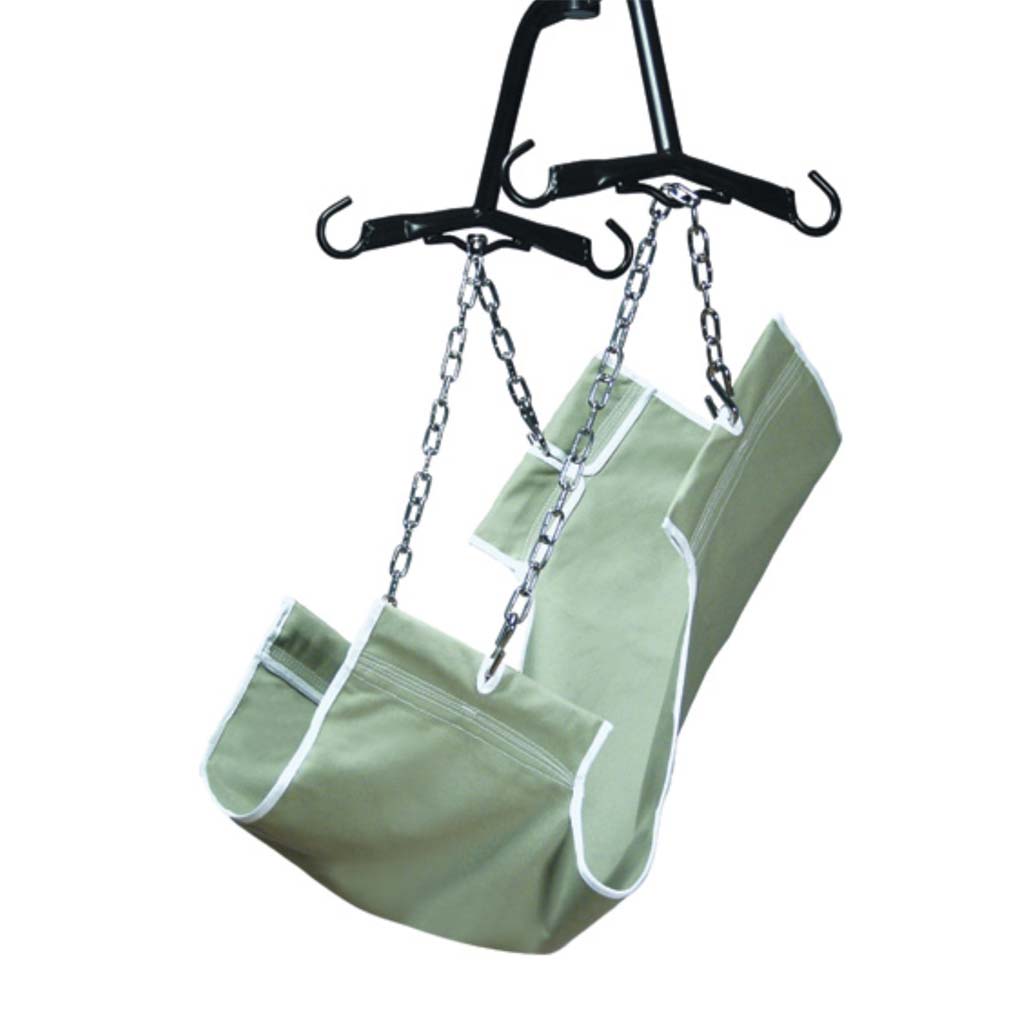

Graham-Field 2-Point Slings
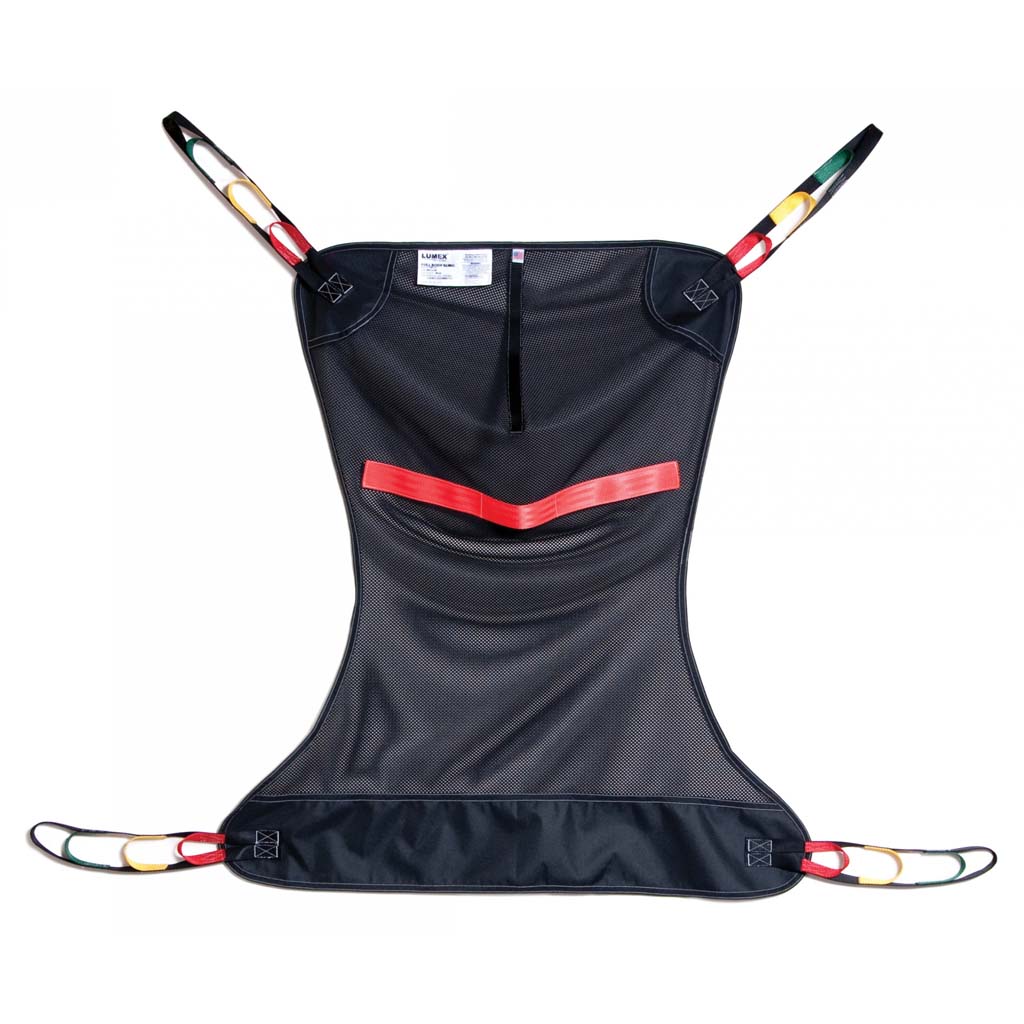
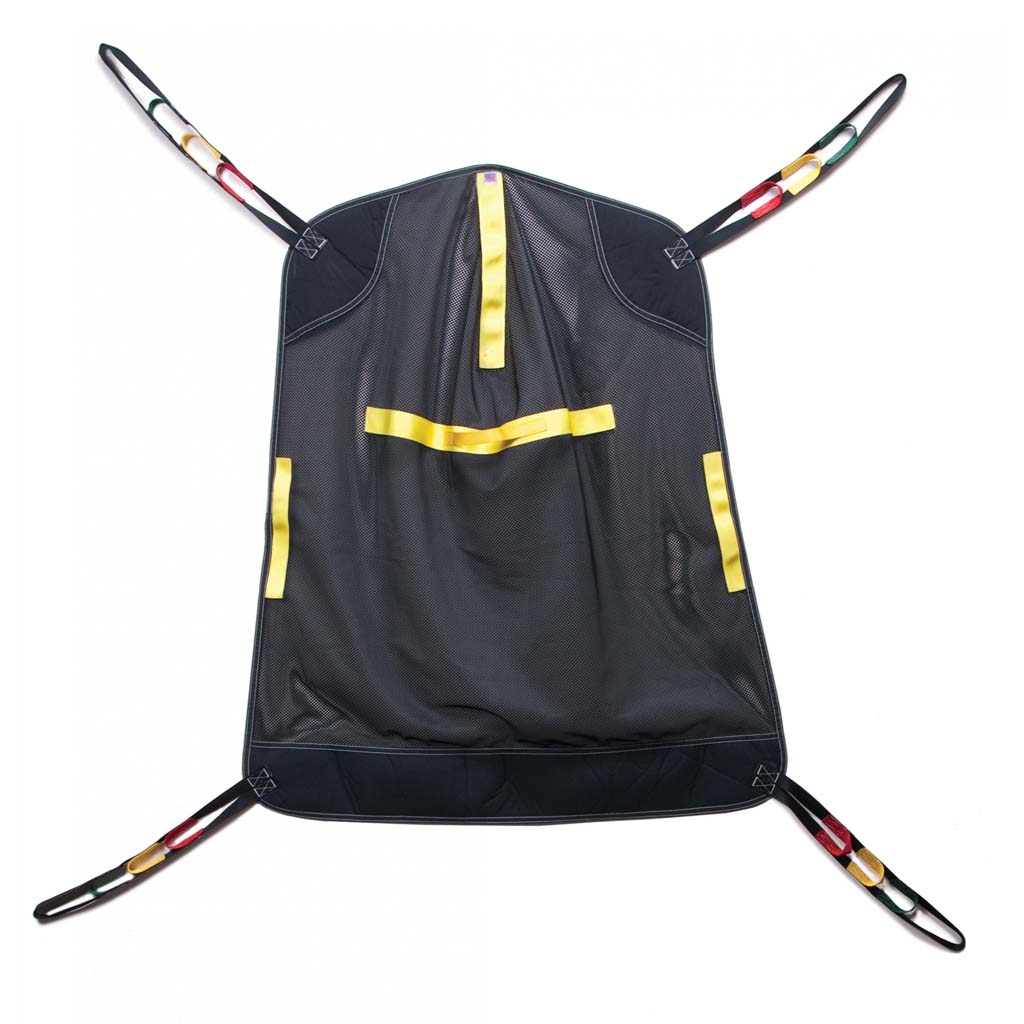
Graham-Field Full-Body Mesh Sling
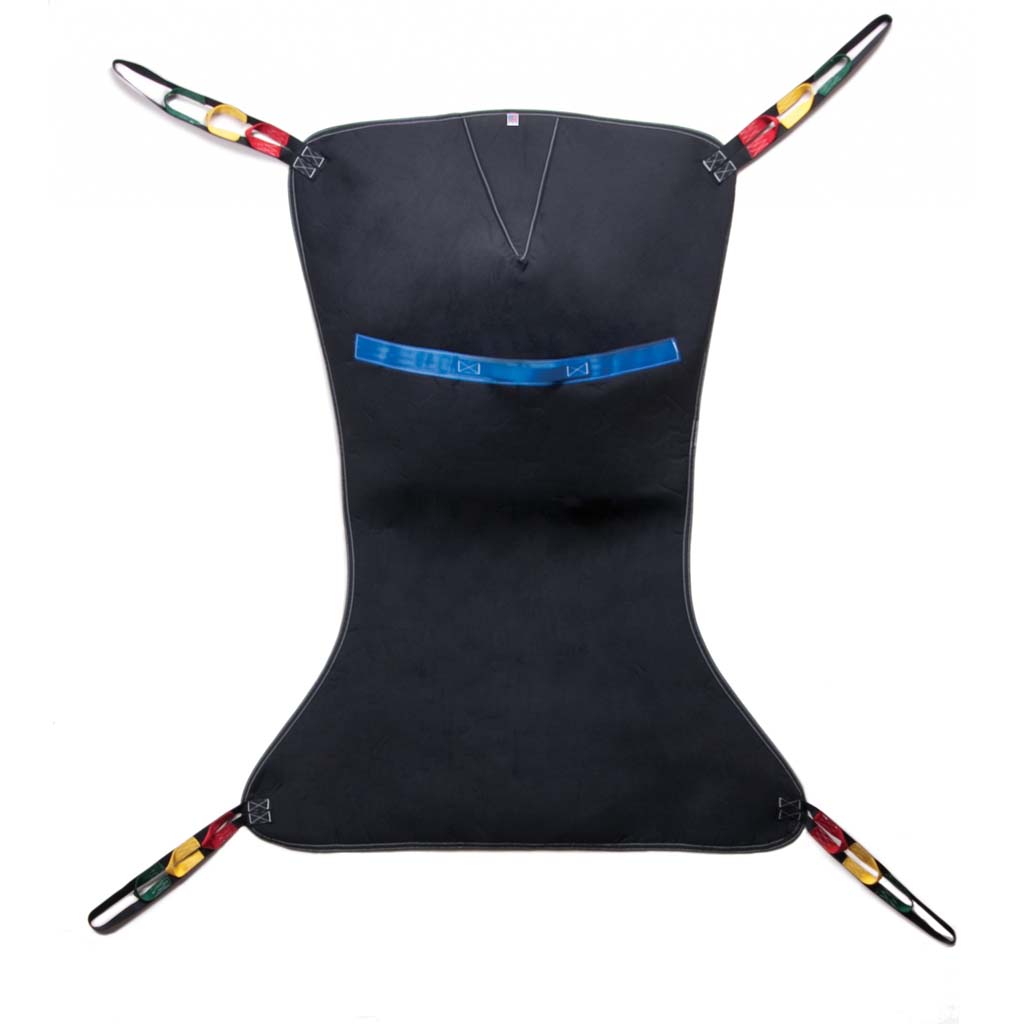
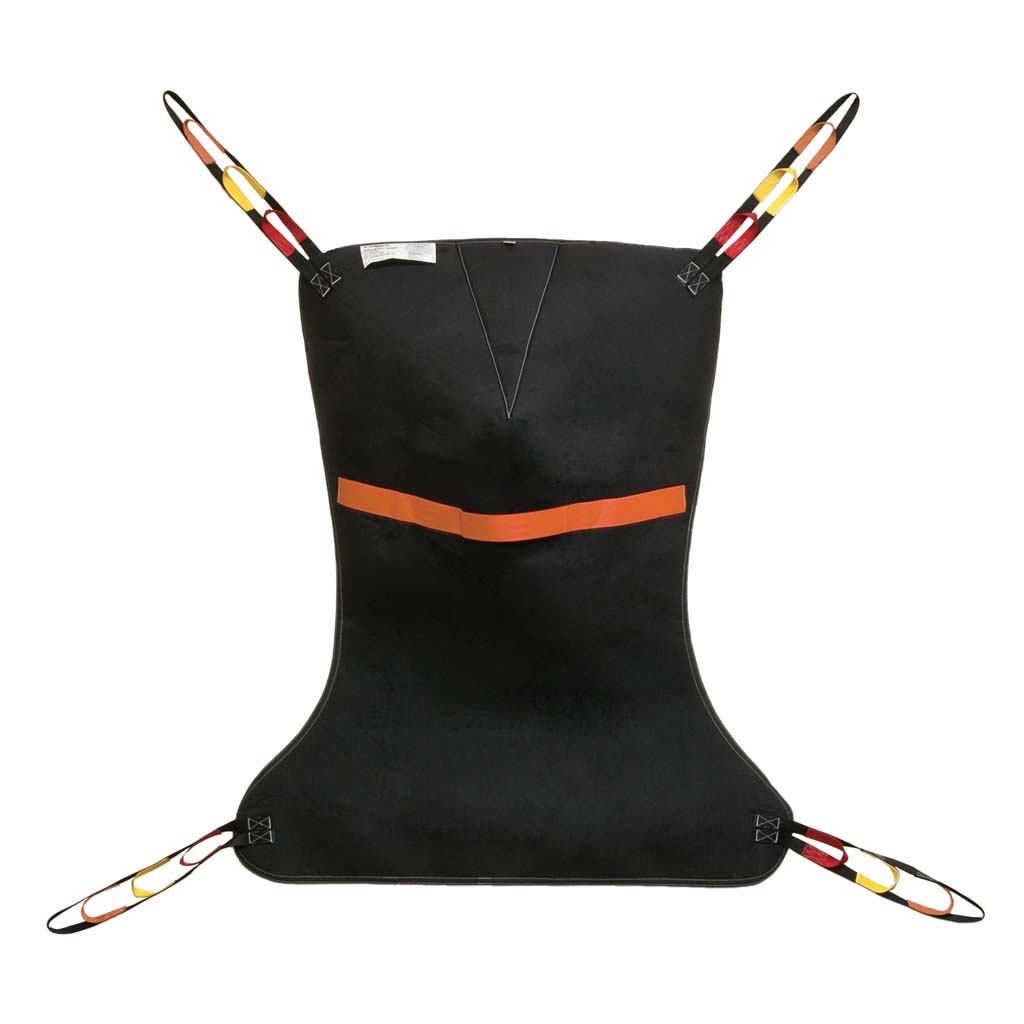
Graham-Field Full-Body Fabric Sling

Proactive Medical Full Body Solid Sling – Reliable Support with Maximum Comfort

Joerns Hoyer Full Body Hammock Sling – Premium Loop-Style Hammock Sling for Safe, Full Support Transfers

Joerns Hoyer Bariatric Hammock Spacer loop style sling for Calibre & HPL700 Lifts


Joerns Hoyer Repositioning Sling


Invacare Mesh Full Body Sling – Safe, Supportive Transfers with Breathable Comfort


Invacare Comfort Sling For Amputees Net Fabric
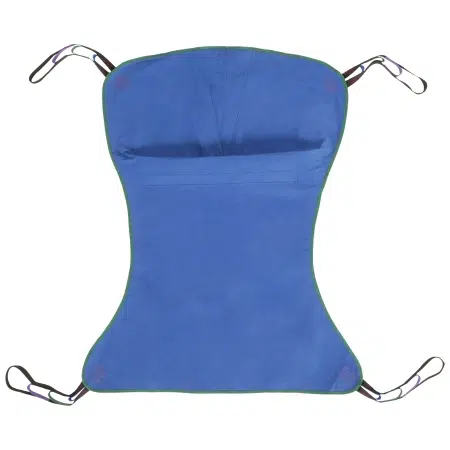
McKesson Full Body Sling 4 or 6 Point Without Head Support Solid

McKesson Full Body Sling 4 or 6 Point Without Head Support Mesh

ProBasics Polyester Mesh Full Body Sling


Invacare Solid Poly Full Body Sling – Durable, Secure Support for Patient Transfers


Joerns Hoyer Longseat Sling


Invacare Standard Sling


Invacare Comfort Sling - Chronic Postural Pain


Joerns Hoyer One Piece Sling with Positioning Strap – Safe, Comfortable, and Amputee-Friendly Transfers
Choosing the Right Full Body Sling for Hoyer Lift Transfers
A full body sling for hoyer lift use is one of the most important tools for safe patient handling, especially when a patient needs maximum support through the back, hips, legs, and in many cases the head and neck as well. For caregivers, family members, and medical providers, the right full body sling lift can make daily transfers more secure, more comfortable, and far less stressful.
Whether you are moving a patient from bed to wheelchair, assisting with shower transfers, or managing long-term mobility limitations, choosing the best full body sling for hoyer lift systems is about much more than just fabric or size. Buyers should consider the patient’s mobility level, weight capacity needs, body support requirements, and lift compatibility. Mesh styles may be ideal for bathing and wet environments, while more supportive fabric or padded options may be better for everyday transfers and extended comfort.
Why this category matters: A properly selected full body sling lift can help reduce transfer injuries, improve patient positioning, support dignity during care, and make daily lifting routines easier for both the patient and the caregiver.
What to Compare Before You Buy
When shopping this category, look closely at whether the sling is designed for general-purpose transfers, passive full-support lifting, shower use, amputee support, or broader bariatric needs. It is also essential to confirm compatibility with your patient lift’s cradle type or spreader bar. The best full body sling for hoyer lift transfers is the one that properly matches both the patient and the lift system being used.
If you are still comparing options, we also recommend reviewing other patient lift sling categories depending on the patient’s specific needs. Some buyers may need more toileting access, more seated positioning flexibility, or support for partial weight-bearing transfers rather than a full body sling alone.
Explore Other Patient Lift Sling Categories
Explore sling options designed for easier toileting access and hygiene-related transfers.
Compare divided leg sling styles that offer support with more leg separation and positioning flexibility.
Review sit-to-stand sling solutions for patients who have some weight-bearing ability and need transfer assistance.
Patient Lift Sling Buying Guide
Read our complete guide to sling types, sizing, compatibility, buying tips, and expert recommendations.
Need Help Understanding Sling Types?
Not every patient needs the same type of sling. If you are unsure whether a full body sling lift is the best option, our in-depth guide explains the differences between full body, toileting, divided leg, and sit-to-stand slings so you can make a more confident buying decision.


