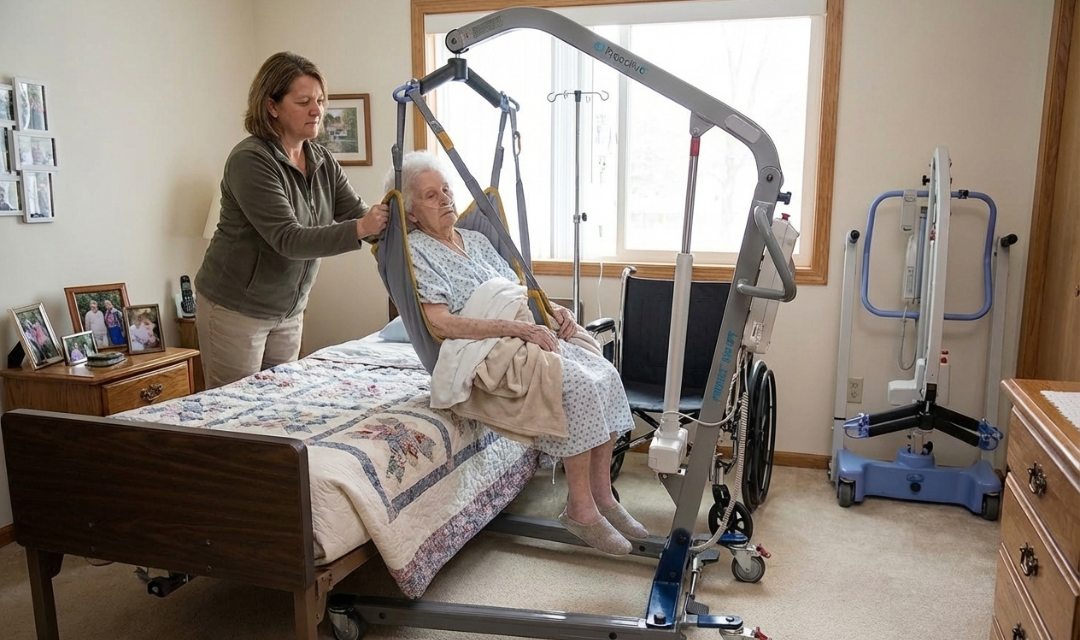
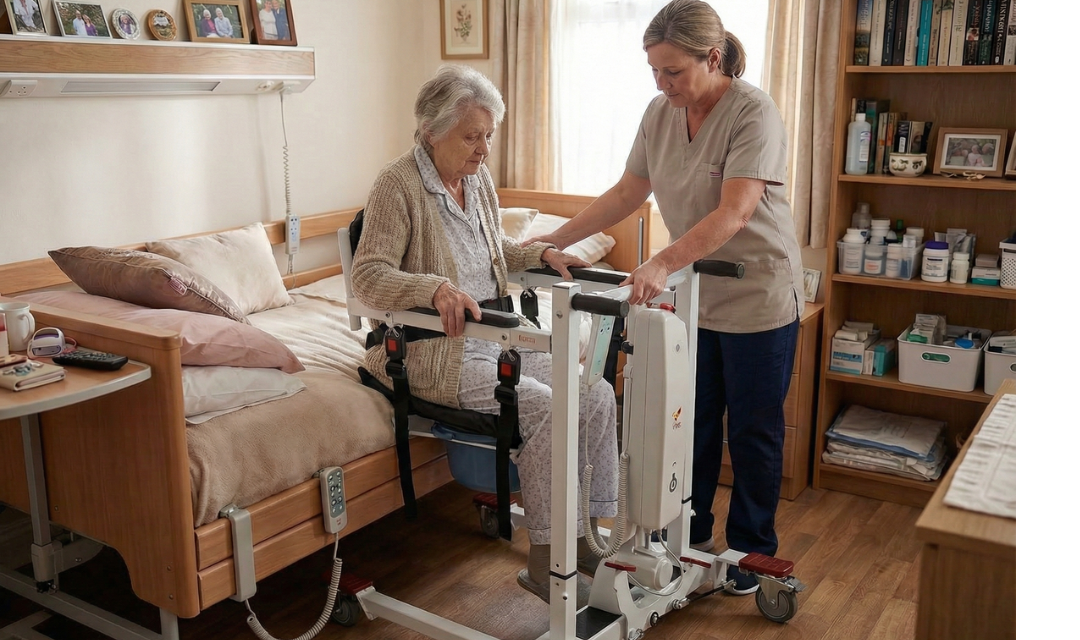
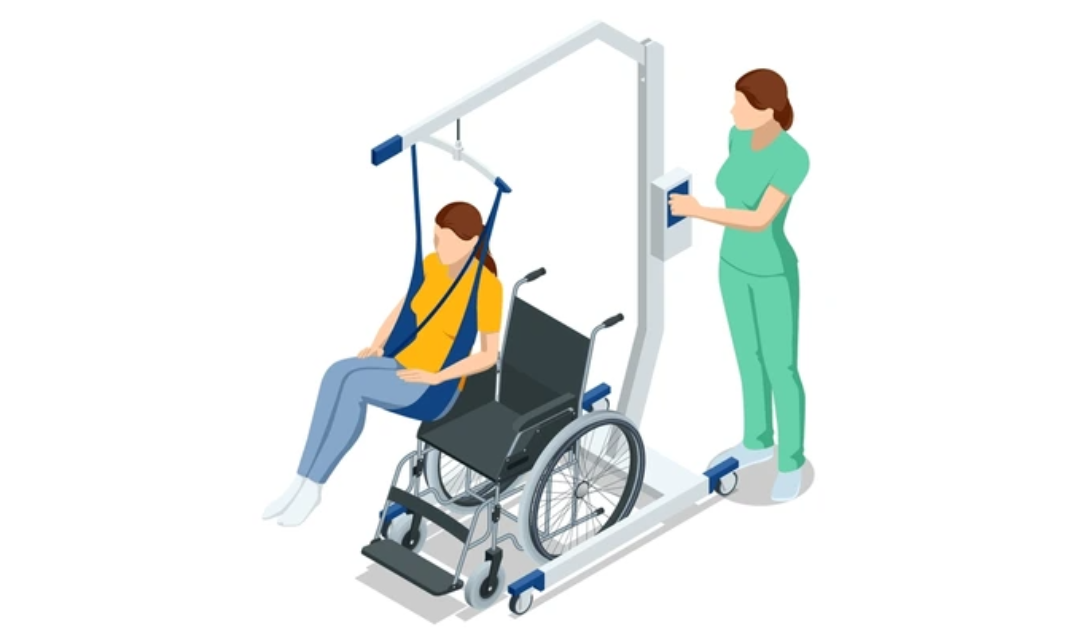
Best patient lift slings providing safe and comfortable transfers for elderly and disabled patients

27

Mar

Patient Lift Slings Guide: Types, Compatibility, Sizes & How to Choose the Best Sling

Key Takeaway

This guide is built to help families, caregivers, and care teams choose safer, smarter patient lift slings with more confidence, comfort, and clarity.

If you are trying to understand patient lift slings, compare hoyer patient lift slings, or figure out which sling is best for toileting, full-body support, amputee transfers, bathing, or standing assistance, this guide is designed to give you practical direction from the start.

It does not stop at naming sling types. It breaks down the most important differences in sling design, explains compatibility questions like 4-point vs 6-point, loop versus clip systems, size and fit, and helps match the best patient lift slings to real patient conditions, lift models, and transfer goals.

In this guide, readers will learn how to compare sling types more clearly, understand which slings work best for different patient needs, avoid common compatibility mistakes, and make more confident decisions for both home care and facility use.

What you will learn

The core sling categories, how each type works, what problems each one solves, and how to choose the right option based on patient support needs.

Why this matters

The wrong sling can increase discomfort, instability, toileting difficulty, caregiver strain, and confusion around lift compatibility.

Who this helps

Family caregivers, home care providers, rehab teams, long-term care operators, discharge planners, and buyers comparing sling options across brands.

What comes next

You will compare sling options, understand major sling types, review size and fit guidance, see recommendations by patient need, and get answers to the most common questions.

Start Here

How to Know Which Patient Lift Sling You Need

Choosing the right patient lift sling comes down to one simple thing — matching the sling to the patient’s condition and the type of transfer. Below is a quick visual guide to help you decide instantly.

🧠 No head control Full body or full back sling with head support for safety and stability.
🚻 Toileting needs Commode sling or divided leg sling for hygiene access.
🦵 Partial weight-bearing Sit-to-stand sling or transfer sling for assisted standing.
🦿 Amputee patient Amputee sling or long-seat sling depending on support needs.
🚿 Bathing / shower Mesh sling for airflow and quick drying.
⚖️ Bariatric use High-capacity reinforced sling built for weight and durability.
If you are unsure — always check compatibility first. The most important factors are the lift type, attachment system (loop vs clip), and spreader bar design.

4-Point, 6-Point, Loop & Clip Systems — Clear Compatibility Explained

Understanding compatibility is the most important part of choosing patient lift slings. This is where most mistakes happen — and where most confusion exists.

A 6-point spreader bar CAN work with a 4-point sling — but only if it is a loop-style system. Clip systems do NOT work this way.

🔹 The Key Difference

Loop Style (Most Common)

Uses fabric loops that hook onto a spreader bar.

✔ Flexible positioning
✔ Often works across 4-point and 6-point systems
✔ Common in Joerns, Invacare, Proactive

✔ YES — 6-point bars can use 4-point slings

Clip Style (Less Flexible)

Uses clips that snap into fixed points.

✔ Secure connection
✖ No flexibility in positioning
✖ Must match exact lift design

✖ NO — cannot mix 4 & 6 point systems

🔹 What “4-Point” and “6-Point” Really Mean

These numbers refer to the lift’s spreader bar — not always the sling itself. A sling may have multiple loop options that allow it to work across different setups.

🔹 Why This Gets Confusing (Especially Joerns)

Joerns Hoyer lifts are often labeled as 6-point systems, but they use loop-style spreader bars. This allows them to safely use many 4-point loop slings because the loops can be adjusted across different attachment points.

The number alone (4 or 6) does NOT determine compatibility — the attachment style does.

🔹 What You Should Always Check

Before choosing a sling, always confirm:

  • Loop vs clip attachment style
  • Spreader bar / cradle design
  • Manufacturer compatibility (Joerns, Invacare, etc.)
  • Type of transfer being performed
Sling Types

The Main Types of Patient Lift Slings and What Each One Is Designed For

Understanding the main types of patient lift slings is one of the most important parts of choosing the safest and most effective option. Different sling styles are built for different transfer goals, mobility levels, hygiene needs, support requirements, and lift systems.

The right sling type can improve comfort, stability, head and neck support, toileting access, skin protection, and caregiver control. The wrong type can create unnecessary strain, poor positioning, and avoidable compatibility mistakes. That is why the best patient lift slings are always the ones that match the patient, the transfer task, and the lift attachment system together.

Below is a clear type-by-type breakdown of the most common sling styles, including what each sling is, who it is best for, who it is not ideal for, key strengths, common mistakes, common fabric or style options, and compatibility notes where relevant.

Full Body Slings

Maximum-body support for passive transfers

What it is

A full-support sling that cradles the body from the upper back or shoulders down under the thighs, often with optional head support.

Best for

Fully dependent patients, users with low mobility, many bed-to-chair transfers, and patients needing a stable, secure lift.

Not ideal for / strengths / common mistakes / fabric & compatibility

Not ideal for patients who need open toileting access or active standing support. Major strengths include broad body support, secure positioning, and good general transfer safety. A common mistake is choosing a full body sling without checking whether head support is needed. Common materials include mesh, net, and solid polyester. Most are available in loop-style versions, while some are clip-specific depending on the manufacturer.

Full Back Slings

Contoured support with strong back and head coverage

What it is

A supportive sling shaped to follow the back more closely, often with integrated head support and more refined positioning than standard general-purpose slings.

Best for

Patients who need strong trunk and head support, routine passive transfers, and a more secure seated posture during lifting.

Not ideal for / strengths / common mistakes / fabric & compatibility

Not ideal for patients who need a more open toileting design. Strengths include excellent back support, better patient positioning, and broad suitability in clinical and homecare settings. A common mistake is assuming all full back slings work the same across brands. They are commonly available in padded or polyester variants and are frequently paired with 6-point passive lift systems, especially in brands like Joerns, though attachment style must still be confirmed.

Universal / High Slings

Versatile general-purpose designs for everyday use

What it is

A broad-use sling category designed to fit a wide range of patients and transfer situations, often with decent back support and flexible application.

Best for

Caregivers who need one adaptable sling for many standard transfers and patients who do not require a highly specialized design.

Not ideal for / strengths / common mistakes / fabric & compatibility

Not ideal for very specific needs like amputee support, advanced toileting access, or stand-assist transfers. Strengths include flexibility, easier inventory management, and general transfer usefulness. A common mistake is assuming “universal” means compatible with every lift. These slings may come in padded, mesh, or solid fabric styles, but compatibility still depends on lift family and attachment method.

Divided Leg Slings

Open-leg support with improved hygiene access

What it is

A sling with separate leg sections instead of a full seat panel, allowing more access for toileting and easier positioning during certain transfers.

Best for

Patients who need toileting access, mixed transfer needs, or a balance between support and openness around the lower body.

Not ideal for / strengths / common mistakes / fabric & compatibility

Not ideal for every amputee situation or every patient with severe positioning instability unless the model is designed for it. Strengths include better hygiene access and adaptable lower-body positioning. A common mistake is confusing divided-leg slings with sit-to-stand slings. Common materials include solid polyester, padded polyester, and some mesh styles. Many are available in loop-style systems and often work with passive patient lifts rather than stand-assist devices.

Commode Slings

Designed for toileting access during supported transfers

What it is

A sling with a commode opening that allows toileting access without fully removing the patient from the sling during the transfer process.

Best for

Toileting routines, hygiene care, shower-chair transfers, and users who need access while still remaining supported.

Not ideal for / strengths / common mistakes / fabric & compatibility

Not ideal for every patient who needs full-seat support or prolonged seated comfort. Strengths include toileting convenience, less repositioning, and improved caregiver efficiency. A common mistake is choosing a commode opening sling for a patient who needs more under-thigh security. Common materials include mesh and net fabric for hygiene use. Compatibility depends heavily on whether the sling is loop-style or clip-style and whether the lift is meant for passive toileting transfers.

Access / Toileting Slings

Open-access designs for dressing and hygiene routines

What it is

A more open sling style made to improve access for toileting, dressing, and personal care while still supporting the patient during transfer.

Best for

Patients with enough trunk or head control for that design, toileting-focused transfers, and caregivers needing faster hygiene access.

Not ideal for / strengths / common mistakes / fabric & compatibility

Not ideal for highly dependent patients who need total-body support unless a head-support version is specifically designed for them. Strengths include better hygiene access, easier clothing adjustment, and efficient toileting transfers. A common mistake is using an access sling on patients with inadequate postural control. Common style options include padded mesh and loop- or clip-based versions depending on the manufacturer and lift family.

Transfer Slings

Compact support for short, controlled assisted moves

What it is

A more compact sling designed for shorter assisted transfers, often when the patient can participate partially and does not need full-body passive support.

Best for

Short transfers, toileting assistance, pivot-style support, and users who still have some weight-bearing or upper-body participation.

Not ideal for / strengths / common mistakes / fabric & compatibility

Not ideal for fully dependent patients who cannot participate at all. Strengths include quicker application, better access, and practical support for short-distance movement. A common mistake is thinking a transfer sling can replace a true full-body passive sling. Common materials include solid polyester or reinforced fabric. Compatibility is usually tied to stand-assist or transfer-specific lift systems rather than passive floor lifts.

Sit-to-Stand Slings

Built for assisted standing, not full passive lifting

What it is

A sling used with stand-assist lifts to support the torso and often the lower body while helping a cooperative patient move from sitting to standing.

Best for

Patients who can bear some weight, have reasonable head control, and can participate in standing or supported rehab-style transfers.

Not ideal for / strengths / common mistakes / fabric & compatibility

Not ideal for fully dependent patients or those without sufficient head and trunk control. Strengths include efficient standing support, toileting usefulness, and reduced caregiver strain for suitable patients. A common mistake is trying to use a sit-to-stand sling for a passive full-body lift. These slings are lift-specific and usually must match stand-assist devices from the same system family.

Amputee Slings

Specialized support for altered leg positioning needs

What it is

A sling designed to improve support, balance, and comfort for lower-limb amputees or patients with unique lower-body positioning needs.

Best for

One-leg or two-leg amputee transfers, patients needing elevated support, and cases where a standard lower-body sling design is not sufficient.

Not ideal for / strengths / common mistakes / fabric & compatibility

Not ideal as a default replacement for general transfer slings unless the patient has true amputee-related positioning needs. Strengths include better balance, safer support geometry, and more secure passive lifting for amputee cases. A common mistake is using a standard sling on an amputee patient without reassessment. Common materials include polyester, net, and padded specialty fabrics. These slings may come in loop or clip versions depending on brand and lift model.

Repositioning Slings

Used for turning, boosting, and repositioning tasks

What it is

A specialty sling intended more for repositioning, turning, log rolling, or boosting than for standard seated transfer routines.

Best for

Bed-based care tasks, pressure relief routines, hygiene access, skin checks, and patients who need frequent movement without a full transfer.

Not ideal for / strengths / common mistakes / fabric & compatibility

Not ideal as a substitute for a routine bed-to-wheelchair sling. Strengths include safer turning, better patient access, and reduced caregiver strain during repositioning tasks. A common mistake is treating repositioning slings like general transfer slings. They are often made from breathable mesh or specialty materials and may have unique loop configurations depending on the repositioning system.

Bath Slings

Wet-environment support designed to dry quickly

What it is

A sling built specifically for bathing or shower environments using quick-drying, breathable materials that hold up to moisture.

Best for

Bath transfers, shower-chair use, high-moisture care routines, and patients needing a sling that drains and dries more efficiently.

Not ideal for / strengths / common mistakes / fabric & compatibility

Not ideal if maximum padding or prolonged dry seated comfort is the main priority. Strengths include quick drying, airflow, and suitability for wet environments. A common mistake is assuming every mesh sling is automatically a dedicated bath sling. Common materials include nylon mesh, net, and breathable polyester mesh. Compatibility still depends on the lift attachment design, not just the fabric type.

Limb Slings

Targeted support for a limb rather than full-body lifting

What it is

A highly specialized sling used to support or position a limb during specific care tasks, not to transfer the whole patient like a general sling.

Best for

Targeted limb handling, therapeutic positioning, and care environments where a specific body part needs supported elevation or controlled movement.

Not ideal for / strengths / common mistakes / fabric & compatibility

Not ideal for routine patient transfers. Strengths include precise support and safer limb positioning. A common mistake is mistaking a limb sling for a general-purpose patient transfer sling. These are specialty products and often use loop-style attachment systems matched to compatible professional lifting equipment.

Bariatric Slings

Reinforced high-capacity support for larger users

What it is

A reinforced sling designed for higher weight capacities, broader body dimensions, and the added support demands of bariatric transfers.

Best for

Larger patients, bariatric care programs, and transfer situations where standard sling size or capacity is not enough.

Not ideal for / strengths / common mistakes / fabric & compatibility

Not ideal to choose based only on weight without checking body dimensions and lift capacity. Strengths include reinforced stitching, larger support surfaces, and safer positioning for higher-capacity use. A common mistake is assuming a bariatric sling solves every fit issue without considering lift limitations. Common materials include reinforced polyester, padded fabric, and heavy-duty specialty textiles. Both sling and lift must be rated appropriately together.

Single Use

Disposable Slings

Single-patient or infection-control focused options

What it is

A sling intended for single-patient use or settings where infection control, isolation, or simplified hygiene workflows are a priority.

Best for

Hospitals, long-term care, isolation protocols, or clinical environments where avoiding cross-use is especially important.

Not ideal for / strengths / common mistakes / fabric & compatibility

Not ideal when a reusable long-term homecare sling is the main need. Strengths include infection-control support, convenience, and reduced cross-patient reuse. A common mistake is assuming every disposable sling behaves exactly like a reusable padded sling. Disposable models are often loop-style and still require strict attention to sizing, weight rating, and lift compatibility.

Best By Need

Which Sling Is Best for Specific Patient Conditions, Challenges, and Care Situations

This is one of the most important parts of choosing patient lift slings correctly. In real life, most caregivers are not searching for a sling by technical category first — they are trying to solve a problem. They want to know which sling is best for poor head control, toileting, bathing, amputee support, fragile skin, bariatric use, rehab, or fast daily transfers.

The most effective way to choose the best patient lift slings is to match the sling to the patient’s actual condition, transfer routine, mobility level, and care environment. The guidance below is designed to make those decisions clearer, faster, and more practical.

Use this section as a real-world decision guide: identify the patient situation first, then match it to the sling type that offers the safest support, the best access, and the most realistic day-to-day usability.
🧠

Poor Head Control

Support, stability, safer positioning

Best sling type

Full body sling or full back sling with head support.

Why

These styles better stabilize the head, neck, and trunk during passive lifting and reduce unwanted shifting.

What to avoid

Avoid open toileting or sit-to-stand styles unless the patient has enough head and upper-body control for that design.

Joerns Hoyer Full Back Sling Invacare Mesh Full Body Sling Proactive Full Body Sling
🛏️

Fully Dependent Patient

Maximum support for passive transfers

Best sling type

Full body sling, full back sling, or a properly fitted universal/high sling.

Why

These provide broader support and reduce the risk of instability in patients who cannot assist during the transfer.

What to avoid

Avoid compact transfer or sit-to-stand slings, which are not built for fully passive lifting.

Joerns Quickfit Deluxe Sling Invacare Full Body Sling Proactive Full Body Mesh Sling
🦵

Partial Weight Bearing

Assisted movement with some patient participation

Best sling type

Sit-to-stand sling or transfer sling.

Why

These are designed for patients who can bear some weight and actively assist in rising or pivoting.

What to avoid

Avoid treating a sit-to-stand sling like a passive full-body sling. The patient must be clinically appropriate for that transfer style.

Joerns Deluxe Standing Sling Invacare Premier Stand-Assist Sling Proactive Sit-to-Stand Sling
🚻

Toileting Needs

Access and support without repeated repositioning

Best sling type

Commode sling, access/toileting sling, or in some cases a divided leg sling.

Why

These sling types improve hygiene access and can reduce how much the patient needs to be repositioned during toileting care.

What to avoid

Avoid choosing solely for access if the patient also needs more head, trunk, or under-thigh support than the open design provides.

Invacare Mesh Comfort Sling with Commode Opening Proactive Full Body Mesh Sling with Commode Joerns Access Sling
🚿

Bathing or Shower Transfers

Quick drying and moisture-friendly support

Best sling type

Bath sling or mesh full body / commode sling.

Why

Mesh and bath-focused slings allow airflow, quick drying, and better performance in wet environments.

What to avoid

Avoid assuming every sling is equally suitable for shower use. Some padded or dense fabric designs are better for dry transfers only.

Joerns Nylon Mesh Bath Sling Invacare Full Body Sling with Commode Opening Mesh Proactive Full Body Mesh Sling
🦿

Amputee Patient

Specialized lower-body positioning support

Best sling type

Amputee sling or, depending on the situation, a long-seat sling.

Why

These styles better address balance, lower-body positioning, and the altered support needs that standard sling geometry may not handle well.

What to avoid

Avoid assuming a standard full body sling is always enough for amputee transfers without reassessing support needs.

Joerns Comfort Amputee Sling Invacare Comfort Sling for Amputees Joerns Hoyer Longseat Sling

Paralysis

High-support transfer control for reduced mobility

Best sling type

Full back sling, full body sling, or in selected cases a long-seat sling.

Why

These options are often better for patients who need full passive support and more predictable positioning during transfers.

What to avoid

Avoid open-access or standing styles unless the patient has the control needed for that type of transfer.

Joerns Hoyer Full Back Sling Joerns Long Seat Sling with Commode Invacare Full Body Sling
🪑

Chronic Postural Pain

Comfort and pressure-aware seated support

Best sling type

Comfort sling, full back sling, or a more supportive positioning-oriented design.

Why

Patients with postural pain often need better contouring, seated stability, and less pressure concentration during the lift.

What to avoid

Avoid overly minimal or open sling designs if they do not maintain the seated support the patient needs.

Invacare Mesh Comfort Sling with Commode Opening Joerns Full Back Sling Padded supportive full-body styles
🩹

Fragile Skin or Pressure Concerns

Reduce friction and improve surface comfort

Best sling type

Padded sling, full back sling, or a smoother-lined full body sling.

Why

These options can reduce friction, distribute pressure more evenly, and improve comfort for sensitive skin.

What to avoid

Avoid rougher or poorly fitted designs that bunch, slide, or concentrate pressure in sensitive areas.

Joerns Padded U-Sling Joerns Comfort Access Padded Sling Padded full-back options
⚖️

Bariatric Patient

Higher-capacity support with reinforced construction

Best sling type

Bariatric sling or other properly rated high-capacity full-support sling.

Why

These slings are built for greater body dimensions, higher weight ratings, and more secure support surfaces.

What to avoid

Avoid choosing by label alone. The sling and the lift must both be properly rated together, and body dimensions matter as much as weight capacity.

Joerns Quickfit Bariatric Sling Joerns Full Back Bariatric Sling Proactive 600 lb sling options

Patient Stays Seated in Sling Longer

Comfort over longer support periods

Best sling type

Long-seat sling, comfort sling, or a more supportive padded design.

Why

Some patients need better comfort, more even pressure distribution, and less cutting at the legs during longer seated periods.

What to avoid

Avoid narrow or less supportive designs if the patient will remain in the sling for extended care activities.

Joerns Longseat Sling Joerns Long Seat Sling with Commode Comfort-focused padded slings
🚪

Quick Room-to-Room Transfers

Efficiency for routine daily movement

Best sling type

Transfer sling, universal sling, or a practical full body sling depending on mobility level.

Why

The ideal choice depends on whether the patient participates or requires passive lifting, but speed and ease of application matter here.

What to avoid

Avoid overcomplicating quick transfers with a specialty sling if a simpler, clinically appropriate option works better.

Invacare Transport Sling Universal/high sling styles Everyday full-body loop slings
🛋️

Bed-to-Wheelchair Transfers

One of the most common daily transfer routines

Best sling type

Full body sling, full back sling, or divided leg sling depending on support and access needs.

Why

These are among the most commonly used sling styles for routine bed-to-chair and bed-to-wheelchair lifting.

What to avoid

Avoid selecting only by convenience. The patient’s posture control and the need for head support still come first.

Invacare Divided Leg Sling Joerns Full Back Sling Proactive Full Body Mesh Sling
🏃

Rehab and Standing Support

Encouraging safer participation and mobility

Best sling type

Sit-to-stand sling or another stand-assist compatible sling.

Why

These support the torso during standing transitions and are the correct category for assisted rehab-style lifting when the patient can participate.

What to avoid

Avoid passive lift slings if the actual goal is supported standing, and avoid stand-assist slings if the patient cannot safely participate.

Joerns Deluxe Standing Sling Invacare Reliant Sit-to-Stand Sling Proactive Sit-to-Stand Sling
🏠

Home Caregiver Wants Easiest Application

Practicality and confidence for daily use at home

Best sling type

Universal/high sling, full body sling, or another style that balances support and simpler application.

Why

Home caregivers often need a sling that is easier to understand, easier to place, and useful across frequent daily routines.

What to avoid

Avoid specialty slings that add complexity unless the patient clearly needs that more specialized design.

General-purpose universal slings Joerns One Piece Sling Invacare Full Body Sling
🏥

Facility Needs Infection Control

Single-patient use and simplified hygiene workflows

Best sling type

Disposable sling or another single-patient-use option when policy and workflow call for it.

Why

These can support infection-control priorities, reduce cross-patient reuse, and simplify certain facility protocols.

What to avoid

Avoid assuming all disposable slings behave exactly like reusable padded options. Fit, support, and compatibility still matter.

Joerns Disposable Loop Style Sling Single-patient passive lift options Facility protocol-specific sling choices
Compare Options

Which Slings Work with Joerns, Invacare, Proactive Medical, and McKesson Lift Systems — and How to Compare Them Clearly

If you are comparing patient lift slings across brands, the fastest way to make sense of the options is to compare them by sling type first, then narrow them by lift compatibility. That is especially important when looking at Joerns, Invacare, Proactive Medical, and McKesson, because each brand approaches compatibility a little differently.

The comparison groups below are organized so readers can quickly compare the models that matter most to their needs — whether that means full body support, toileting access, stand-assist transfers, amputee positioning, bathing, repositioning, or bariatric care.

The safest rule is simple: match the sling to the patient’s needs, the transfer style, and the actual lift family or attachment system. Similar-looking slings can still fit very different lift systems depending on whether they are loop-style, clip-style, passive-lift, or stand-assist designs.

Joerns Healthcare

Common lift systems: Presence, Stature, Advance, Elara, HPL450, HPL500, HPL700, Journey, Elevate, Calibre, and classic Hoyer families.

Common attachment style: both loop-style and clip-style, depending on the sling.

Fit notes: broad range of passive, standing, amputee, access, bath, and specialty slings.

Caution: some Joerns slings are broad-fit within Hoyer families, while others are clearly tied to specific lift systems.

Invacare

Common lift systems: Reliant 350/450/600, Jasmine, Birdie Evo / Berdie Evo XPlus, 9805P, and Stand-Up lift families.

Common attachment style: family-specific passive-lift and stand-assist compatibility.

Fit notes: especially strong in full body, commode, divided leg, and stand-assist categories.

Caution: passive transfer slings and standing slings should never be treated as interchangeable.

Proactive Medical

Common lift systems: often described as fitting most standard patient lifts or most floor and ceiling lifts.

Common attachment style: broad-fit patient lift compatibility language across several models.

Fit notes: useful when wider compatibility and higher-capacity options matter.

Caution: broad-fit language is helpful, but the actual hookup and transfer category should still be confirmed before purchase.

McKesson

Common lift systems: floor-style lift compatibility is specifically noted in the current comparison group.

Common attachment style: 4 sling points built for 4- or 6-cradle point compatibility.

Fit notes: strong option for commode-focused, high-capacity floor-lift transfers.

Caution: floor-lift compatibility does not always mean equal fit across every passive lift setup, so the cradle style still matters.

Commode, Toileting & Access Slings Hygiene access, commode opening, access-style transfer options
+
Product Type Best Used For Main Features / What It Is Made For Material / Capacity Compatibility / Lift Fit
Invacare Full Body Sling with Commode Opening, Mesh Full body commode sling Toileting, shower chair transfers, bed-to-chair, partially or totally dependent users, limited head control, reclined amputee use Commode opening, quick-drying mesh, washable, designed for easier hygiene transfers Mesh; capacity not specified Invacare Reliant 450/600, Jasmine, Berdie Evo XPlus, 9805P lifts
Invacare Mesh Comfort Sling with Commode Opening Full body / comfort commode sling Amputees, chronic postural pain, toileting, bathing, users with limited head control Full head, neck, back, and partial under-thigh support; clear labeling; quick-dry breathable mesh; comfort-focused support Net / mesh polyester; 500 lb Invacare Reliant 450/600, Berdie Evo XPlus, Jasmine, 9805P; also noted as compatible with Reliant and I-Lift via 4-point hook-up
McKesson Full Body Commode Sling 4 or 6 Point Full body commode sling Toileting, positioning in wheelchair or commode, high-capacity floor-lift use Commode opening, high back, padded under-thigh section, outer positioning handle, designed to support during transfer procedures Mesh polyester; 600 lb Can be used with any floor-style lift; 4 sling points for 4- or 6-cradle point compatibility
Proactive Medical Full Body Mesh Sling with Commode Opening Full body commode sling Toileting, showering, bathing, bariatric handling, homecare and facility use Integrated commode opening, breathable mesh, reinforced stitching, made for hygiene-focused full-body transfers Polyester mesh; 600 lb Fits most standard patient lifts
Joerns Hoyer Long Seat Sling with Commode Opening Long seat commode sling Paralysis, amputee patients, longer seated use, sitting or lying transfers, toileting access Long hammock-style support from mid-thigh to upper back, breathable polyester, commode opening, built for extended comfort Breathable polyester; capacity not specified Advance, Elara, HPL500, HPL700, Presence, Stature; intended for use with loop spreader bar; 4- or 6-point cradle/spreader bar noted
Joerns Hoyer Comfort Access Padded Sling Access / padded toileting sling Toileting and basic transfers, patients who need padded comfort, with or without extra head support depending on option Adjustable body belt, breathable mesh, extra padding around legs, non-slip back, designed for dressing, undressing and hygiene access Mesh with padding; capacity not specified Four clip connections; specifically designed for Joerns Presence, Advance and Stature lifts
Invacare Toileting Sling Toileting sling Users with full head and neck control needing padded toileting support in bed or chair situations Fully padded back and under-thigh comfort, brushed lining, color-coded positioning straps, wet or dry environment use Polyester fabric; capacity not specified Invacare Reliant 450/600, Jasmine, 9805P lifts
Joerns Hoyer Professional Access Toileting-Hygiene Loop Style Sling Access / toileting-hygiene sling Toileting and hygiene-related passive transfers with loop-style lift support Access-style design for hygiene positioning; available with or without head support depending on option Material not specified; 500 lb Intended for use with a loop-style spreader bar
Full Body, Full Back & General Passive Slings General passive transfer slings, full support, broader-use models
+
Product Type Best Used For Main Features / What It Is Made For Material / Capacity Compatibility / Lift Fit
Proactive Medical Full Body Mesh Sling Full body mesh sling Home care, bathing, shower support, bariatric handling, wet environments, hospital and rehab transfers Breathable mesh, wet and dry use, reinforced stitching, machine washable up to 185°F, broad daily transfer use Polyester mesh; 600 lb Universally compatible with most floor and ceiling patient lifts
Invacare Mesh Full Body Sling Full body mesh sling Bed to wheelchair, toilet, shower chair, floor-to-bed transfers, amputee reclined use, limited head control Brushed lining to prevent sliding and protect skin, quick-drying mesh, washable, made for dependent or partially dependent users Mesh; 450 lb Invacare Reliant 450/600, Jasmine, 9805P lifts
Joerns Hoyer One Piece Sling with Positioning Strap General-purpose one-piece sling Basic transfers, hygiene, bathing, amputee support, general homecare and facility use Positioning strap, soft durable polyester, classic all-in-one design, certified safety build Polyester; capacity not specified Designed for Hoyer Classic series and 4-point cradle lifts including HPL450; described as broadly compatible with Hoyer lifts
Joerns Hoyer Full Back Sling Full back sling with head support Passive lifts, broad general fit, patients needing full back and head support Anatomically contoured shape, integrated head support, soft leg padding, fits 85–90% of patients Material not specified; 500 lb Compatible with 6-point spreader bar lifts like Joerns Hoyer Presence, Stature and Advance
Joerns Hoyer Quickfit Deluxe Sling General-purpose deluxe sling General transfers across a very wide patient range Quickfit-based design for 95% of clients, more supportive lift, available in padded and multiple fabric options, pediatric through XL sizes Various fabrics; capacity not specified Used with 6-point cradle on Presence, Stature and Advance lifts
Divided Leg, U-Slings & Universal High Support More open lower-body positioning, toileting access, high-support variants
+
Product Type Best Used For Main Features / What It Is Made For Material / Capacity Compatibility / Lift Fit
Invacare Divided Leg Sling Divided leg sling Full or partial dependence, toileting access, wheelchair, recliner and shower chair transfers, wet or dry use Divided leg design, brushed anti-slip lining, full-body support for many users, large toileting opening, padded comfort Solid composite polyester; 450 lb Invacare Reliant, Jasmine, Birdie Evo, 9805P lifts; also described as working with Invacare lifts and 6-point spreader bars
Proactive Medical Solid Padded Divided Leg Sling with Head Support Divided leg sling with head support Bariatric and elderly transfers, limited neck control, bed-to-chair, toilet and bath transfers, home and facility use Built-in head support, soft padded fabric, divided leg design, durable for wet or dry use, positioning and total-lift support Solid padded polyester; 600 lb Universal design described as compatible with most patient lift systems
Invacare Universal High Sling Divided leg / universal high sling Totally dependent, partially dependent, non-weight-bearing, or limited head-control users needing bed, wheelchair, recliner, shower chair, or floor-to-bed transfers Large toileting opening, full head and neck support in seated and supine positions, adjustable fit, cushioned spacer fabric option for sensitive skin, extra padding and clear attachment points Premium polyester or spacer fabric; 500 lb Compatible with Jasmine, Reliant 350, Reliant 450, Reliant 600, and 9805P lifts
Joerns Hoyer Padded U-Sling Universal padded U-sling with head support Wheelchair, bed, floor and other general transfers; hygiene and toileting access with a more open lower-body shape Integrated head support, open U-shape for hygiene access, comfortable secure design, washable to 185°F Material not specified; capacity not specified General-use universal design language is used, but exact lift family compatibility is not specified here
Sit-to-Stand & Transfer Slings Standing support, active participation, shorter transfers
+
Product Type Best Used For Main Features / What It Is Made For Material / Capacity Compatibility / Lift Fit
Invacare Premier Series Standing Sling for Seniors Standing / stand-assist sling Cooperative users with minimal weight-bearing ability and head/neck control who need help transitioning from sitting to standing Clear labeling, reinforced back support, soft padded leg straps, adjustable fit, easy cleaning Polyester fabric; capacity not specified Standing sling category; exact lift family is not specifically named in this listing
Invacare Transport Sling Transfer / transfer stand-assist sling Patients who can bear some weight, short-distance transfers, toileting, seated-to-standing transitions Compact support, brushed lining, dignified toileting and pivot transfers, solid fabric construction Solid polyester; 440 lb For use with Invacare Stand-Up lifts; compatible with stand-assist devices like Reliant 350
Joerns Hoyer Deluxe Standing Sling Sit-to-stand sling Patients with some weight-bearing ability who need standing transfer support Non-slip back pad, adjustable waist belt, easy-fit two-point style, fast caregiver application Material not specified; 440 lb Designed for Hoyer Journey and Elevate stand-assist lifts
Invacare Premier Series Stand-Assist Sling Standing / stand-assist sling Partial mobility, head and neck control, toileting, weight-bearing exercises, quick standing transfers Reinforced back, labeled attachment points, structured support, quick-fit design Premium polyester; 450 lb Designed for use with Invacare Stand-Up lifts
Proactive Medical Sit to Stand Sling Sit-to-stand sling Patients who can bear partial weight, rehab, homecare and long-term care standing support Solid back support, ergonomic attachment, multiple sizes, designed for standing assistance Nylon / polyester; 600 lb Described as attaching to most patient lifts and stand-assist devices
Invacare Sit to Stand Sling Sit-to-stand sling Users who can sit on edge of bed, bend hips, knees and ankles, and bear at least 60% of body weight Fully padded fabric, soft-brushed lining, stretch-resistant design, color-coded positioning straps Solid polyester; 440 lb Invacare Reliant standing patient lift sling; Large and XL size models noted
Amputee, Long Seat & Bariatric Slings Specialty support for amputee positioning, extended seated use, higher-capacity needs
+
Product Type Best Used For Main Features / What It Is Made For Material / Capacity Compatibility / Lift Fit
Invacare Comfort Sling for Amputees Amputee comfort sling Amputees, horizontal-to-seated transfers, bed to wheelchair, recliner, shower chair, or floor-to-bed support Designed for amputees, four easy attachment points, adjustable fit, easy maintenance, breathable net fabric Net fabric; capacity not specified Four easy attachment points are specifically mentioned; exact lift family is not named in this listing
Joerns Hoyer Longseat Sling Longseat sling Amputees and patients who must remain in sling longer during bed making or bathing Extended-use design, certified safety construction, special-purpose support option Material not specified; capacity not specified 6-point connection; used with 6-point cradle on Presence, Stature and Advance lifts
Joerns Hoyer Quickfit Bariatric Sling for Calibre and HPL700 Lifts Bariatric general-purpose sling Higher-capacity and broader patient needs across a wide range of transfers Padding around buttocks and leg areas, straight divided leg sections, positioning handles, colored loops, dignity modesty loop, optional padded leg sections Material not specified; capacity not specified Fits 6-point cradles and spreader bars; named for Calibre and HPL700 lifts
Joerns Comfort Amputee Sling Amputee sling Lower-limb amputees, extended lifting, bathing, bed changes, prolonged support scenarios Tailored leg positioning, pressure distribution, clip-style stability, professional-grade durability Breathable polyester; 500 lb Clip-style attachment; compatible with Joerns 4-point spreader bar systems such as Presence and Stature lifts
Bath, Repositioning, Limb & Disposable Specialty Slings Specialized products for turning, bathing, limb support, and infection-control workflows
+
Product Type Best Used For Main Features / What It Is Made For Material / Capacity Compatibility / Lift Fit
Joerns Hoyer Limb Sling with Multiple Loop Straps Limb sling Targeted limb positioning during patient handling tasks Multiple loop attachment straps for positioning adjustments; intended for targeted support rather than full-body transfer Material not specified; 400 lb Intended for use with a loop-style spreader bar
Joerns Hoyer Repositioning Sling Repositioning sling Repositioning, turning, transferring, under-sheet use, extended patient handling support Breathable pliable mesh, standard loop or figure-of-8 loop options, designed for re-positioning and turning support Mesh; 1000 lb Loop style sling; exact lift family is not specifically named
Joerns Hoyer Twin Turner Sling Turning / repositioning sling Turning, log rolling, holding patients in position for hygiene, skin care and treatment access Easy placement and removal, enhanced patient access, designed to simplify caregiver routines Material and capacity not specified Exact lift family compatibility is not specifically named
Joerns Hoyer Nylon Mesh Bath Sling 4-point bath sling Seated bath transfers, wet environments, quick-drying hygiene-related moves Quick-drying nylon mesh, color-coded sizes, centerpoint marker, with and without head support options noted Nylon mesh; 600 lb 4-point connection; compatible with HPL700/HPL700WSC, HPL402, P-C-HLA-2, C-HLA-2, C-HLA-2T, C-HLA, C-CB-L2, HML400
Joerns Hoyer Disposable Loop Style Sling Disposable full back loop-style sling Single-patient passive lift use, infection control, hospitals and long-term care settings Contoured easy-fit design, integrated boned head support, leg padding, bulk case format for clean workflow Disposable / single-patient-use design; 500 lb Loop-style passive lift sling; exact lift family is not specifically named
Size & Fit

How to Choose the Right Sling Size and Use Manufacturer Size Charts Correctly

Choosing the right sling size is one of the fastest ways to make transfers feel safer, smoother, and more comfortable. A sling that is too small can feel tight under the thighs, ride up at the back, or create an overly cramped fit. A sling that is too large can allow too much slumping, reduce support, and make the patient feel less centered during the lift.

The best sling fit usually starts with patient weight, but it should also reflect body shape, torso length, leg length, head and trunk support needs, and how the patient naturally sits in the sling. That gives caregivers enough clarity to choose confidently without making the process feel overly complicated.

In many sling ranges, a smaller size fits a more petite or narrow-framed patient better, a medium usually fits an average adult build, and larger sizes work better for broader, taller, or higher-capacity users. When a patient is between sizes, the right answer often depends on how much support, coverage, and room the patient actually needs during the transfer.

Fast Size & Fit Guidance

Simple ways to get closer to the right sling fit right away

A good sling fit should feel supportive, not tight and not loose.

The upper section should support the back properly and, when needed, the head and neck. The middle should hold the hips and seat area without too much extra space. The lower portion should support the thighs evenly without cutting in too sharply or hanging too far below the knees.

If the patient has broader hips, thicker thighs, a longer torso, or needs more room for comfort, a larger size often fits better. If the patient is petite or narrow-framed, a smaller size usually creates a more secure and centered lift.

Petite to smaller adult users

In many sling lines, smaller sizes often fit users under roughly 100 to 150 lbs, especially when the patient has a narrow frame and does not need extra width or extra back height.

Average adult build

Medium sizes often work well in the broad range of roughly 125 to 200 lbs, especially for average torso length and average hip width.

Larger adult fit

Large sizes are often the better fit once the patient has a broader frame, longer torso, heavier thigh support needs, or falls in the range of roughly 175 to 275 lbs, depending on sling style.

XL and higher-capacity sizes

XL and larger sizes are usually best for broader body shapes, taller users, or higher-capacity needs. Once the patient gets into the upper 250+ lb range, body shape and support needs become just as important as weight.

What Else Changes the Right Sling Size

The details that matter when weight alone is not enough

1

Body shape matters. Two patients at the same weight can need different sling sizes depending on hip width, thigh shape, shoulder width, and overall frame.

2

Torso and leg length matter. A patient with a longer torso or longer thighs often benefits from more coverage even if the weight suggests a smaller size.

3

Head support needs matter. If the patient has poor head or trunk control, the sling should sit high enough and support strongly enough to keep the upper body stable.

4

Seated posture matters. A patient who slumps, leans, slides forward, or has chronic postural pain may need a more supportive fit than weight alone would suggest.

5

When between sizes, size up for room and comfort if the patient is broader, bariatric, wears heavier clothing, or remains seated in the sling longer.

6

When between sizes, stay smaller for a closer fit if the patient is petite, narrow-framed, and needs a more centered, secure feel without extra loose fabric.

7

Wrong size can create real transfer issues. Too small can pinch and crowd the patient. Too large can reduce positioning control and make the transfer feel unstable.

8

Contact support before buying if the patient is bariatric, amputee, has severe postural lean, fragile skin, unusual body proportions, or if you are deciding between two sizes and two sling styles at the same time.

Invacare Sling & Size Guide

Includes sling families, lift compatibility, style references, and size guidance across full body, divided leg, toileting, comfort, universal high, standing, and transfer sling options.

Download Invacare Sling & Size Guide

Joerns Slings & Size Guide

Includes loop slings, clip slings, active slings, bariatric slings, specialty slings, classic slings, recommended weight ranges, and lift-family references across Joerns Hoyer systems.

Download Joerns Slings & Size Guide
Need Help Choosing

Not Sure Which Patient Lift Sling Fits Your Lift or Patient Needs?

If you are between sizes, unsure about compatibility, or choosing for a patient with unique support needs, the fastest way to narrow it down is to send the lift model, patient needs, and transfer goal. That makes it much easier to recommend the right sling type and the most likely size fit.

Share the lift model, sling type you are considering, the patient’s weight range, and whether the patient needs full support, toileting access, standing support, or better head support.

    Common Questions

    Patient Lift Sling FAQs

    These are the questions people ask most when comparing patient lift slings, hoyer patient lift slings, and the best patient lift slings for homecare, rehab, and facility use. The answers below are designed to give clear, direct guidance so readers can make faster and more confident decisions.

    The right sling is not chosen by brand name alone. The best answer usually comes from matching the sling to the patient’s condition, the transfer goal, the level of support needed, and the actual lift or cradle system being used.
    What is the best patient lift sling? +

    The best patient lift sling is the one that matches the patient’s real needs. For a fully dependent patient, that is often a full body sling or full back sling with strong upper-body support. For toileting, a commode sling or access sling is often better. For partial weight-bearing users, a sit-to-stand sling may be the better fit. The best sling is the one that gives safe support, proper fit, and the right access for the transfer being performed.

    What sling is best for toileting? +

    A commode sling or access/toileting sling is usually best for toileting because it allows better hygiene access without fully removing the sling during the transfer. In some situations, a divided leg sling can also work well when the patient needs a more open lower-body design but still needs meaningful support.

    Are patient lift slings universal? +

    No — patient lift slings are not automatically universal. Some are built for specific lift brands, specific cradle styles, or specific transfer categories such as passive lifting, standing assistance, bathing, or toileting. A sling may also be loop-style or clip-style, which changes which lifts it can safely work with. Always match the sling to the actual lift family and attachment system, not just the shape of the sling.

    What is the difference between a 4-point and 6-point sling? +

    The terms 4-point and 6-point usually describe the lift’s spreader bar or cradle configuration, not always the sling itself. In loop-style systems, the number refers more to the lift connection layout than to the overall sling category. That is why the same sling can sometimes be used across more than one cradle style if the hookup points and sling design are correct.

    Can a 4-point sling work on a 6-point lift? +

    In many loop-style systems, yes — a sling commonly described as a 4-point sling can work on a 6-point spreader bar when the sling is designed for that type of connection. This is one reason caregivers often get confused with some hoyer patient lift slings. In clip-style systems, the fit is usually much more lift-specific, so you should not assume the same kind of flexibility.

    What is a loop-style sling? +

    A loop-style sling uses fabric loops that attach to a spreader bar or cradle. These slings often allow more positioning flexibility because different loop lengths can help adjust how upright or reclined the patient sits during the transfer. Many Joerns and other passive lift slings use loop-style attachment systems.

    What is a clip-style sling? +

    A clip-style sling uses fixed clips rather than loops. These are often more lift-specific and are commonly designed around particular cradle systems. They can feel very secure, but they usually do not offer the same flexibility as loop-style positioning and should be matched carefully to the correct lift family.

    What sling is best for a patient with no head control? +

    A patient with poor or no head control usually needs a full body sling or a full back sling with integrated head support. These give better upper-body stability and help prevent the head from falling backward or sideways during the lift. A more open access sling or stand-assist sling is usually not the best choice unless the patient has enough control for that design.

    Which sling is best for amputees? +

    An amputee sling is often best because it is designed to better support altered lower-body positioning and balance. In other cases, a long-seat or comfort-style sling may work better when the patient remains in the sling longer or needs more even seated support. You can explore broad options in the main patient lift slings category, especially if you are comparing specialty support needs.

    What sling is best for bariatric patients? +

    A bariatric sling or other properly rated high-capacity sling is usually best for bariatric transfers. The right choice should match both the patient’s weight and body dimensions. A higher weight capacity alone is not enough — the sling also has to provide the right width, support surface, and safe fit with a lift that is rated appropriately for the same load.

    Are mesh slings better for bathing? +

    Yes, mesh slings are usually better for bathing and shower transfers because they dry faster, allow better airflow, and perform better in wet environments. That makes them a practical choice for hygiene care. Many caregivers prefer mesh in bath and commode sling designs for exactly that reason.

    How do I know which sling size to buy? +

    Start with the patient’s weight, but do not stop there. The right sling size also depends on body shape, hip width, thigh support needs, torso length, head support needs, and how the patient sits in the sling. A narrower patient may need a closer fit, while a broader or longer-bodied patient may need more coverage even if the weight suggests a smaller size. That is why the size and fit section above matters so much.

    Do I match the sling to the lift or the patient? +

    You match it to both. The sling must fit the patient’s body and support needs, but it must also be compatible with the lift, cradle, and attachment style being used. A sling that fits the patient but does not fit the lift is not a safe choice, and a sling that fits the lift but does not support the patient correctly is not the right choice either.

    What is a divided leg sling used for? +

    A divided leg sling is used for general transfers where the caregiver wants more lower-body access and more flexible positioning around the seat and thighs. It is often useful for bed-to-chair transfers, wheelchair transfers, recliner transfers, shower chair transfers, and some toileting situations.

    What is the difference between full body and full back slings? +

    A full body sling is a broader category that often supports the patient from the upper body down under the thighs and may include or omit a commode opening depending on the model. A full back sling usually places more emphasis on full back and head support with a more contoured fit. Both can be excellent for passive lifts, but the exact feel and support pattern can differ by design.

    Can a sit-to-stand sling be used for a fully dependent patient? +

    Usually no. A sit-to-stand sling is meant for patients who can bear some weight and participate in the standing transfer. A fully dependent patient usually needs a passive transfer sling such as a full body, full back, or other full-support design.

    Can a commode sling be used for regular transfers? +

    Yes, in many cases a commode sling can be used for regular transfers as well, especially when the patient still feels secure and properly supported in that design. The key is whether the patient needs the more open lower-body access without sacrificing too much stability or under-thigh support.

    How often should patient lift slings be replaced? +

    Patient lift slings should be replaced whenever they show wear, fraying, damaged loops or clips, stretched fabric, weakened seams, or any visible loss of structural integrity. Heavily used slings in clinical or facility settings may need replacement sooner than slings used less often in homecare. If there is any question about safety, the sling should be inspected and replaced rather than reused.

    Can you wash patient lift slings? +

    Many patient lift slings are washable, but the correct washing method depends on the sling material and the manufacturer’s care instructions. Mesh, polyester, padded, and disposable sling categories do not all have the same care rules. Always follow the label and product-specific guidance so the sling keeps its strength and safe performance.

    Which slings work with Joerns lifts? +

    The answer depends on which Joerns or Hoyer lift you have. Some Joerns slings are built for loop-style systems like Presence, Stature, Advance, HPL500, and HPL700, while others are clip-style or stand-assist specific for lifts like Journey or Elevate. If you are comparing Joerns options, the safest path is to match the sling to the exact lift family and attachment style rather than assuming all Hoyer-branded slings fit the same way.

    Which slings work with Invacare lifts? +

    Many Invacare slings are designed around lift families such as Reliant 350, Reliant 450, Reliant 600, Jasmine, Birdie Evo, and 9805P. Some are passive full-support slings, while others are standing or transfer slings made for stand-assist lifts. That is why it is important to match the sling to the exact Invacare lift family and the type of transfer being performed, not just the brand name alone.

    Final Takeaway

    The Right Sling Improves Safety, Comfort, and Confidence in Every Transfer

    Choosing the right sling is not just about finding a product that looks close enough. The right choice comes from matching the sling to the patient’s condition, the transfer goal, the lift compatibility, the support needs, and the care environment. When those pieces line up, transfers feel safer, smoother, more dignified, and easier for both the patient and the caregiver.

    Patient Condition Head control, weight-bearing ability, posture, amputee needs, fragile skin, bariatric support
    Transfer Goal Toileting, bathing, bed-to-chair, standing support, repositioning, longer seated use
    Lift Compatibility Loop vs clip, 4-point vs 6-point, passive lift vs stand-assist lift family
    Support Needs Head and neck support, trunk stability, thigh support, open access, comfort level
    Environment Homecare, rehab, long-term care, bathing area, infection-control workflow


    Leave a Reply

    RELATED

    Posts