22
Jun
Senior Mobility Challenges & Solutions: Walking Difficulties, Balance Problems, Mobility Aids, Outdoor Safety & Independence Guide for Older Adults
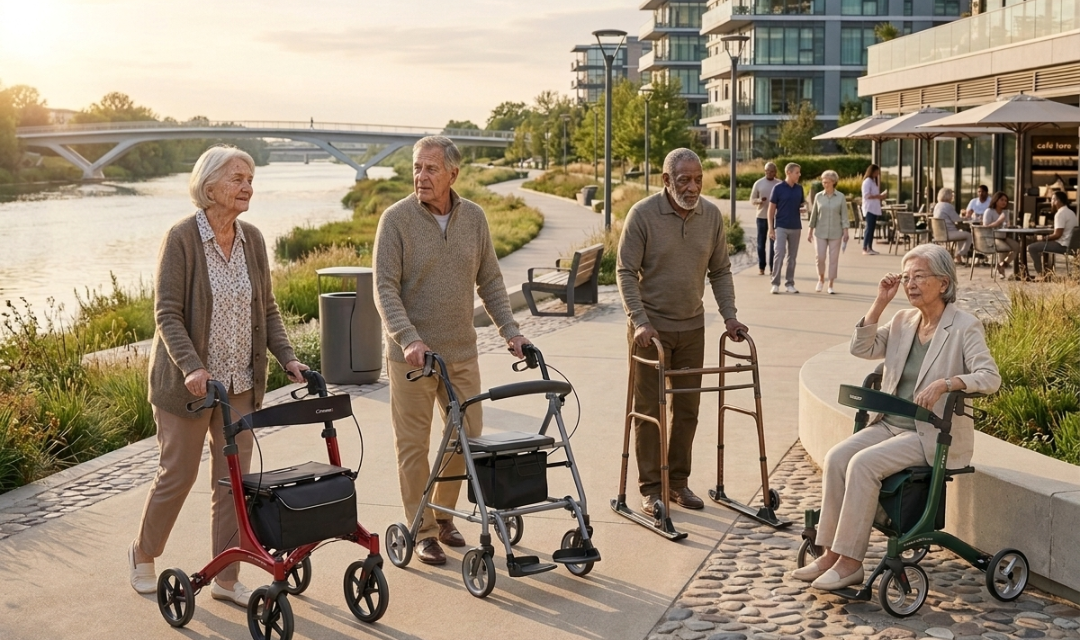
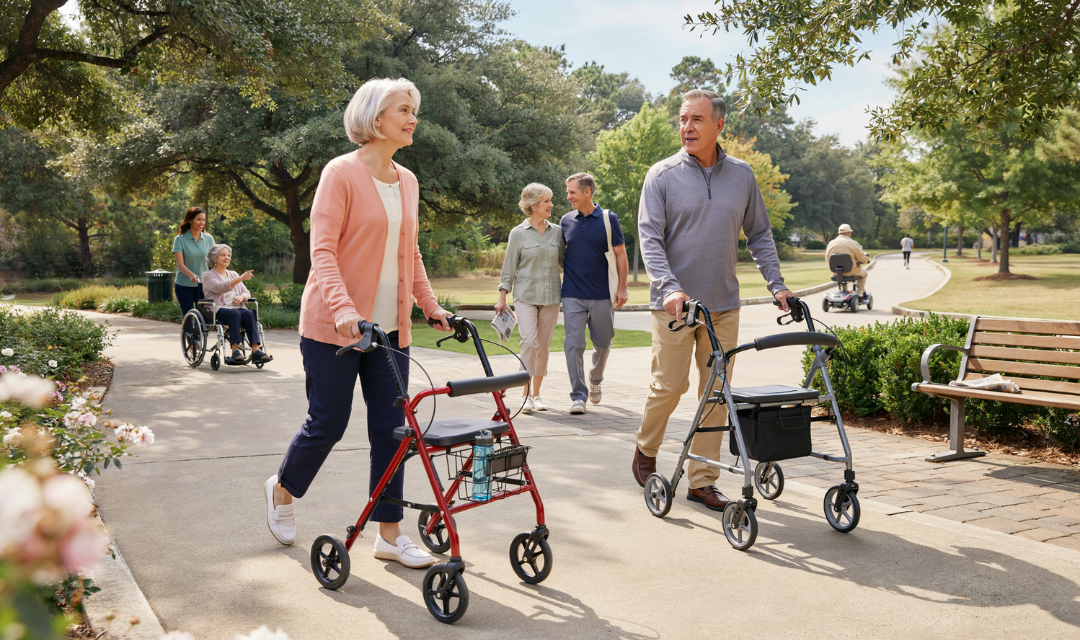
Senior mobility affects far more than walking from one room to another. It influences independence, confidence, fall risk, outdoor activity, travel, shopping, caregiver support, and the ability to safely participate in daily life.
For many families, elderly mobility problems do not appear all at once. A parent may begin walking slower, avoiding stores, holding onto furniture, feeling less steady outdoors, getting tired during short outings, or becoming nervous about falling. These early signs can point to larger mobility challenges in older adults, including strength loss, balance changes, arthritis, reduced endurance, vision changes, and difficulty walking safely in everyday environments.
This guide explains the most common walking difficulties in elderly adults, what causes balance problems in elderly people, how to recognize when mobility support may be needed, and how to compare practical mobility aids for seniors such as standard walkers, rollators, transport wheelchairs, wheelchairs, and mobility scooters.
Understand the real problem
Learn why senior mobility problems often involve more than age alone, including balance, strength, endurance, pain, and confidence.
Recognize when help is needed
Identify warning signs that a walker, rollator, transport chair, wheelchair, scooter, or professional evaluation may be worth considering.
Choose safer mobility support
Compare walker vs rollator options, outdoor safety for seniors, travel needs, seated rest, caregiver assistance, and long-distance mobility.
Why Mobility Changes As We Age
Senior mobility often changes gradually. An older adult may start walking more slowly, needing more rest during outings, feeling less steady on uneven surfaces, or avoiding activities that used to feel simple. These changes are not always caused by one single issue. In many cases, elderly mobility problems develop from a combination of strength loss, joint pain, balance changes, vision changes, neurological conditions, and reduced endurance.
Understanding why mobility changes matters because it helps families respond earlier. When walking difficulties in elderly adults are recognized before a fall, injury, or major loss of confidence, caregivers can often improve safety through better planning, fall prevention habits, home adjustments, outdoor safety steps, and the right mobility aids for seniors.
Muscle loss can reduce walking power and stability
Age-related muscle loss may make it harder to stand from a chair, climb steps, walk longer distances, or recover balance after a misstep. Less strength can also make daily movement feel more tiring.
Arthritis and joint degeneration can change how a person walks
Joint pain, stiffness, swelling, hip pain, knee pain, and spinal changes can lead to shorter steps, slower walking, reduced confidence, and greater reliance on support during daily activities.
Balance problems in elderly adults increase fall risk
Balance depends on strength, vision, inner-ear function, nerve feedback, medications, and coordination. When one or more of these systems changes, walking outdoors or turning quickly can feel unsafe.
Reduced endurance can limit normal outings
Fatigue may appear during grocery shopping, doctor visits, outdoor events, airport travel, or neighborhood walks. This is often when families begin comparing a walker vs rollator or considering seated mobility support.
Vision changes can make walking less predictable
Reduced vision, poor depth perception, glare sensitivity, and difficulty seeing curbs or uneven surfaces can make walking less safe, especially outdoors, at night, or in unfamiliar environments.
Neurological conditions can affect movement and coordination
Stroke, Parkinson’s disease, neuropathy, dizziness, and other neurological issues can affect gait, foot clearance, coordination, reaction time, and the ability to move safely without support.
Factors That Affect Senior Mobility
This quick reference table summarizes common causes of mobility challenges in older adults and how they may affect walking, balance, and daily independence.
| Factor | Common Impact | What Families May Notice |
|---|---|---|
| Arthritis | Joint pain, stiffness, and reduced range of motion. | Shorter steps, slower walking, avoiding stairs, difficulty standing. |
| Muscle Loss | Weakness and reduced walking power. | Needing armrests, struggling to rise, tiring faster during outings. |
| Balance Disorders | Higher fall risk and reduced confidence. | Holding walls, furniture walking, fear of uneven surfaces. |
| Vision Changes | Navigation difficulty and reduced depth perception. | Missing curbs, hesitating outdoors, trouble in dim lighting. |
| Neurological Conditions | Coordination issues, gait changes, and slower reaction time. | Shuffling, freezing, dragging feet, unsteady turns, numbness. |
| Reduced Endurance | Fatigue and limited walking distance. | Stopping often, avoiding stores, needing seated rest, leaving events early. |
Aging in place and independence
Mobility is closely tied to whether older adults can continue living safely and confidently at home.
Read Aging in Place StatisticsFalls and mobility decline
When balance, walking, and endurance change, fall prevention becomes one of the most important safety priorities.
Read Elderly Fall StatisticsLimited mobility and pressure risk
When mobility becomes severely limited, pressure relief and positioning also become important parts of daily safety.
Read Pressure Ulcer Guide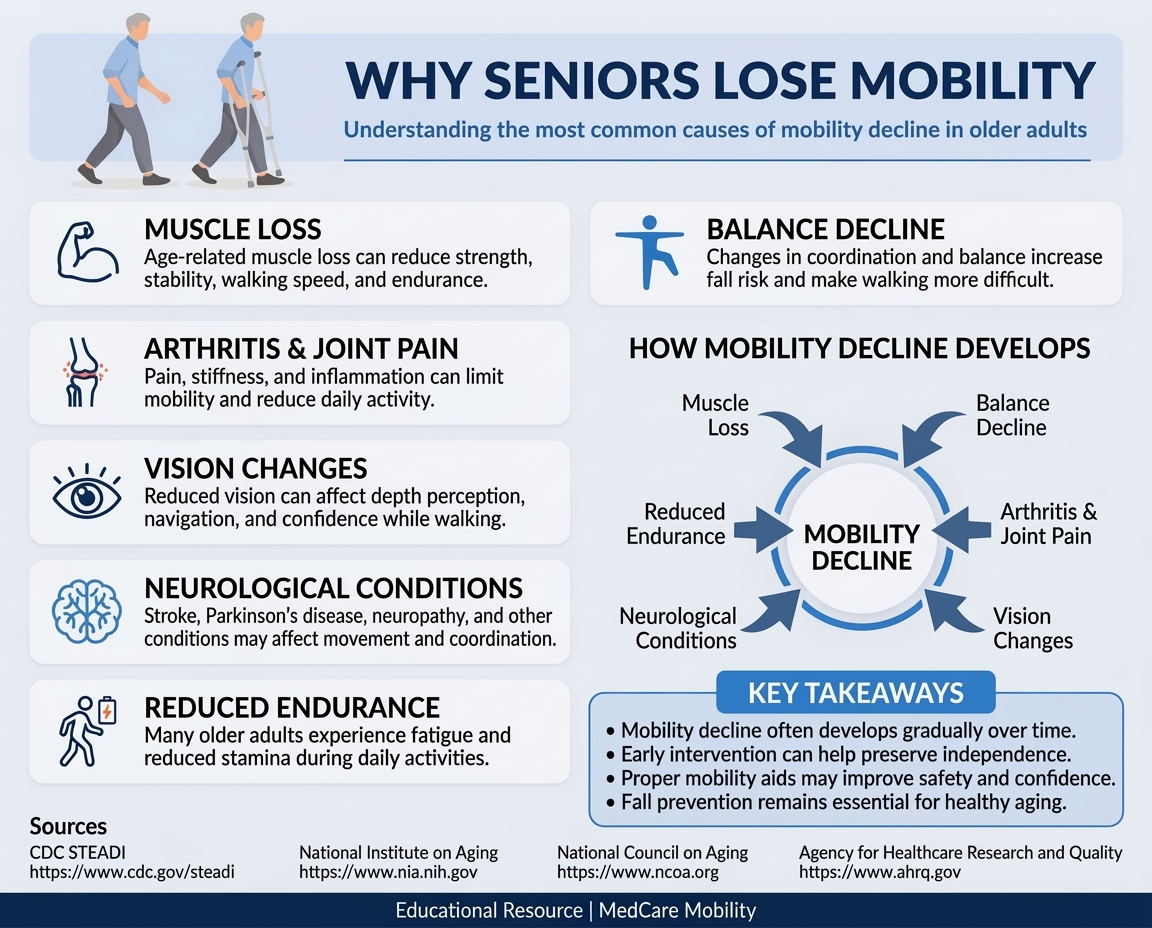
The Most Common Mobility Challenges Seniors Face Every Day
Many senior mobility problems do not start at home. They often become noticeable during everyday activities such as shopping, attending family events, walking through airports, visiting parks, traveling, or spending time outdoors. These situations place greater demands on walking endurance, balance, strength, confidence, and navigation than moving around the house.
Understanding these real-world challenges helps explain why many families begin researching mobility aids for seniors, comparing a walker vs rollator, or looking for solutions that improve outdoor safety for seniors before mobility limitations become more serious.
Walking Long Distances
Large shopping centers, malls, parks, airports, sporting events, medical campuses, and community festivals can require far more walking than many people realize. What feels manageable for a short trip may become exhausting after 20–30 minutes of continuous walking.
Reduced endurance is one of the most common mobility challenges in older adults and is often one of the first signs that additional support may be beneficial.
Grocery Shopping
Grocery stores combine long walking distances, frequent stops, carrying items, standing in checkout lines, and navigating crowded aisles.
This is one reason many seniors begin considering rollators with built-in seating or transport chairs when shopping trips become tiring or uncomfortable.
Parks & Outdoor Activities
Uneven sidewalks, gravel paths, grass, curbs, inclines, and changing terrain can make outdoor mobility more challenging than indoor walking.
Many active seniors find that all-terrain rollators or mobility scooters provide greater comfort and confidence during outdoor activities.
Airports & Travel
Airports often require walking long distances between security checkpoints, terminals, gates, baggage claim areas, and transportation hubs.
Transport wheelchairs and travel scooters are frequently used to reduce fatigue while preserving energy for the trip itself.
Cruises & Vacations
Cruises, resorts, guided tours, museums, and vacation destinations often involve significantly more walking than normal daily routines.
Many families discover mobility limitations only after travel begins, making vacation planning an important part of mobility discussions.
Summer Heat & Fatigue
Heat, humidity, dehydration, and sun exposure can reduce stamina and increase fatigue, particularly among older adults with medical conditions or limited mobility.
Summer is one of the most important times to focus on outdoor safety for seniors and appropriate mobility planning.
Challenge → Solution Quick Reference
This simplified table shows how different mobility concerns are commonly addressed in real-world situations.
| Common Challenge | Typical Solution | Why It Helps |
|---|---|---|
| Fatigue | Rollator | Provides walking support and a place to sit and rest. |
| Balance Issues | Walker | Offers greater stability and walking support. |
| Long Distances | Transport Chair | Reduces walking demands during extended outings. |
| Severe Endurance Loss | Wheelchair | Allows participation in activities when walking becomes limited. |
| Outdoor Events | Mobility Scooter | Provides powered mobility for larger environments and longer trips. |
Rollators
Explore lightweight rollators, seated rollators, upright rollators, and walking solutions designed for active seniors.
View RollatorsTransport Chairs
Compare lightweight transport wheelchairs commonly used for travel, shopping, medical appointments, and longer outings.
View Transport ChairsMobility Scooters
Explore four-wheel mobility scooters designed for outdoor use, community activities, shopping, and travel.
View Mobility ScootersWarning Signs A Senior May Need Mobility Assistance
Many families do not search for mobility aids for seniors until after a fall, a close call, or a major change in confidence. But the earlier signs of senior mobility problems are often visible long before an injury happens.
If an older adult is walking slower, avoiding outings, holding furniture, getting tired after short distances, or becoming afraid to walk alone, those may be signs of larger mobility challenges in older adults. These changes can be connected to walking difficulties in elderly adults, balance problems in elderly people, reduced endurance, pain, weakness, vision changes, or fear of falling.
Mobility warning signs families should not ignore
These are common real-world signs that walking, balance, endurance, or confidence may be changing.
“When one or more of these signs appear, early intervention often helps preserve independence longer.”
If balance is the main concern
A standard walker may provide more stability, while the right rollator may help more active users who need support and rest breaks.
If endurance is the main concern
A rollator, transport chair, wheelchair, or scooter may be considered depending on walking distance, fatigue level, and caregiver support.
If outdoor confidence is declining
Outdoor safety for seniors should include terrain, weather, curbs, lighting, parking lots, rest breaks, and the right mobility aid.
Not Sure Which Mobility Solution Is Right?
Use the free assessment to compare walking support, seated rest, caregiver assistance, and real daily mobility needs.
If you are unsure whether a senior may need a walker, rollator, transport chair, wheelchair, or scooter, the assessment can help organize the most important questions before choosing equipment.
Take The Free Mobility AssessmentWalker, Rollator, Wheelchair or Scooter: Which Mobility Aid Is Right?
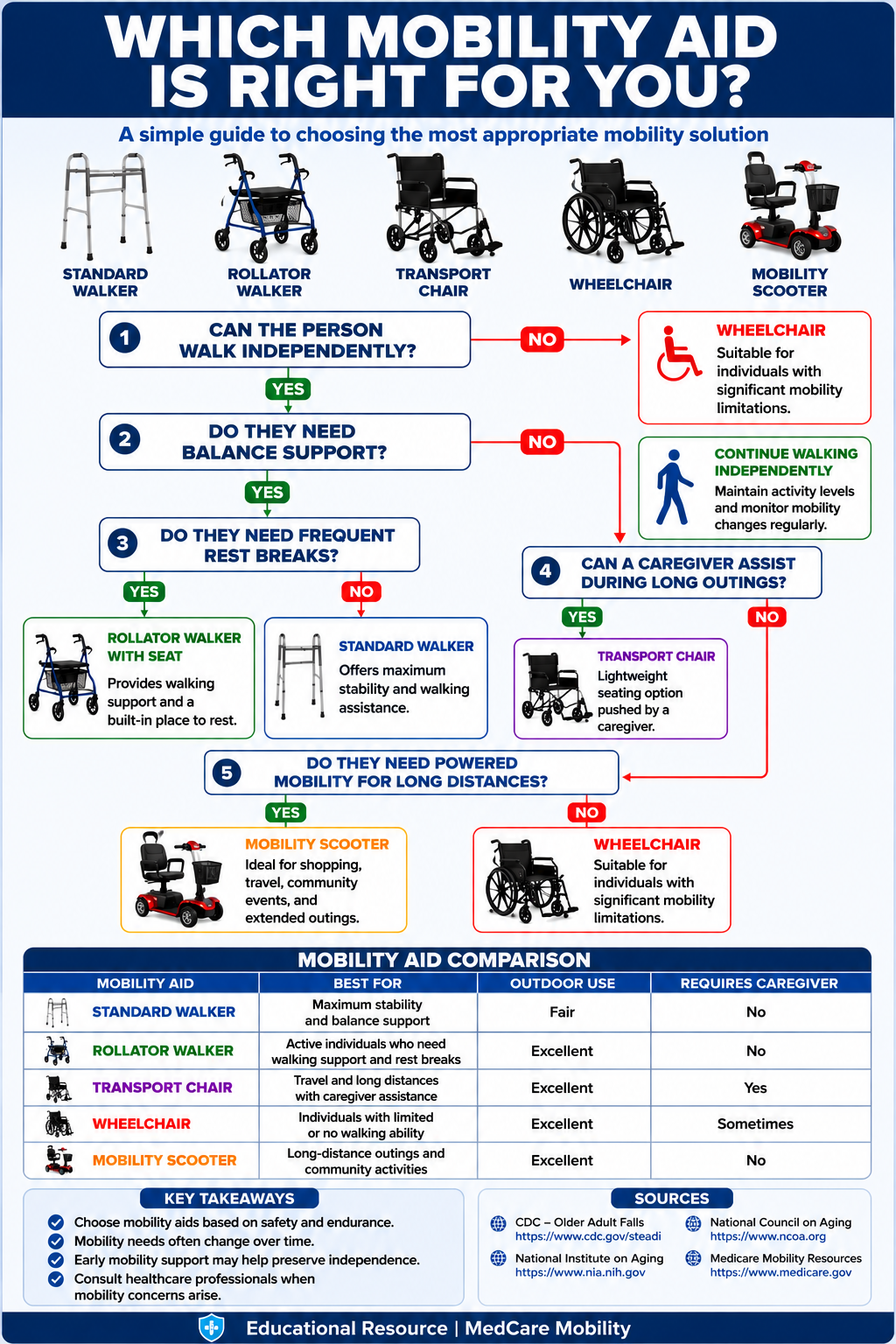
Choosing between a standard walker, rollator, transport wheelchair, wheelchair, or mobility scooter is one of the most important decisions in senior mobility. The right choice depends on the person’s walking ability, balance, endurance, outdoor activity level, caregiver support, and whether the main problem is stability, fatigue, distance, or complete walking limitation.
For many families, the question is not simply “what is the best mobility aid for seniors?” The better question is: what mobility aid best matches the actual problem? A person with balance problems in elderly adults may need a different solution than someone who walks safely but becomes exhausted in stores, airports, parks, or outdoor events.
Mobility Aid Comparison: Walker vs Rollator vs Wheelchair vs Scooter
This quick comparison summarizes when each mobility aid is usually considered for older adults with walking difficulties, balance concerns, fatigue, or longer-distance mobility needs.
| Mobility Aid | Best For | Outdoor Use | Seating | Common Real-World Use |
|---|---|---|---|---|
| Standard Walker | Maximum stability | Limited | No | Short indoor walking, balance support, standing stability, controlled surfaces. |
| Rollator | Active seniors | Excellent | Yes | Shopping, neighborhood walks, appointments, outdoor paths, seated rest breaks. |
| Transport Chair | Travel | Excellent | Yes | Airports, medical visits, long outings, caregiver-assisted transportation. |
| Wheelchair | Limited mobility | Excellent | Yes | When walking is unsafe, severely limited, painful, or not practical for daily activity. |
| Scooter | Long distances | Excellent | Yes | Shopping centers, outdoor events, community mobility, travel, parks, and extended outings. |
Standard Walkers
A standard walker is usually best when the main concern is balance, stability, or safe short-distance walking. It can be helpful for older adults who need firm support while standing, taking careful steps, recovering after illness, or walking on controlled indoor surfaces.
Standard walkers are generally less ideal for long outdoor distances because they do not provide seated rest and may require more effort to lift or advance depending on the design.
View Standard WalkersRollators
Rollators are commonly used by active seniors who can walk but need extra support, better confidence, and the option to sit during longer outings. This makes rollators especially useful for grocery shopping, doctor visits, community events, and daily walking routines.
In the walker vs rollator decision, a rollator is often better when the person can safely use hand brakes, steer the device, and benefit from a built-in seat.
View Rollators4 Wheel Walkers With Seat
A four-wheel walker with seat is a popular option for seniors who need walking support but also need frequent rest breaks. The seat can be especially useful in large stores, parks, malls, medical offices, and outdoor spaces where benches may not be available.
These devices are often chosen when reduced endurance is the main issue and the person still has enough balance, awareness, and hand strength to control the walker safely.
View 4 Wheel Walkers With SeatTransport Wheelchairs
A transport wheelchair is designed to be pushed by a caregiver. It is commonly used when a senior can stand or walk short distances but cannot safely handle long distances at airports, doctor visits, shopping centers, vacations, or family outings.
Transport chairs are often lighter and easier to manage than full-size wheelchairs, but they generally require caregiver assistance for movement.
View Transport WheelchairsMobility Scooters
Mobility scooters are often considered when walking longer distances has become too tiring, painful, or limiting, but the person can still sit upright, steer, operate controls, and transfer safely on and off the scooter.
Four-wheel scooters are commonly used for outdoor safety for seniors, community mobility, shopping centers, parks, travel, and extended outings where walking the full distance is no longer realistic.
View Mobility ScootersWhen a wheelchair may be more appropriate
A wheelchair may be more appropriate when walking is unsafe, severely limited, very painful, or no longer practical for daily activities. This may include individuals with major endurance loss, neurological conditions, repeated falls, severe weakness, or limited ability to stand and walk independently.
Wheelchairs can support participation in daily life when walking alone is no longer the safest or most realistic option.
Quick Decision Guide For Families
Use these real-world questions to narrow down which mobility aid may be worth considering.
Outdoor Walking, Travel & Summer Safety Tips For Seniors
Outdoor safety for seniors becomes especially important when mobility changes begin showing up outside the home. A senior may walk safely indoors but struggle with parking lots, curbs, uneven sidewalks, long airport terminals, grocery stores, cruise ships, theme parks, heat, humidity, crowds, or outdoor events.
This is why senior mobility planning should include more than choosing a device. It should also include weather, terrain, endurance, balance, rest breaks, caregiver support, hydration, footwear, transportation, and whether a walker, rollator, transport chair, wheelchair, or scooter is realistic for the environment.
CDC guidance for older adults and extreme heat
The CDC notes that older adults can be more affected by extreme heat, especially when medical conditions, medications, hydration, or limited mobility are involved.
View CDC Heat Safety GuidanceNIA guidance on exercise and physical activity
The National Institute on Aging provides guidance on physical activity, strength, balance, flexibility, and endurance for older adults.
View NIA Physical Activity GuidanceWalking Safely In Hot Weather
Hot weather can make walking difficulties in elderly adults worse by increasing fatigue, dehydration risk, dizziness, and reduced stamina. Seniors may also be more vulnerable when they have heart conditions, breathing problems, diabetes, poor circulation, or medications that affect heat tolerance.
For summer outings, families should plan shorter walking routes, choose cooler times of day, bring water, avoid long periods in direct sun, schedule rest breaks, and consider whether a rollator with a seat, transport chair, or scooter would make the outing safer.
Outdoor Surfaces & Trip Hazards
Uneven sidewalks, cracked pavement, gravel, grass, wet surfaces, ramps, curbs, parking lots, and poorly lit areas can increase fall risk for older adults with balance problems in elderly people or reduced reaction time.
Outdoor mobility planning should include footwear, lighting, surface conditions, curb cuts, handrails, seating availability, and whether the mobility aid is designed for the terrain.
Travel Safety Tips
Travel often exposes mobility challenges in older adults because routines change. Hotels, rest stops, restaurants, museums, airports, parking lots, and vacation destinations may require more walking than expected.
Before traveling, families should identify walking distances, seating areas, transportation access, elevator locations, luggage support, rest stops, and whether a foldable rollator, transport chair, or travel scooter is appropriate.
Airport Mobility Tips
Airports can be difficult for seniors because they combine long distances, security lines, crowded terminals, escalators, gate changes, baggage claim, and standing for extended periods.
A transport wheelchair, wheelchair assistance, travel scooter, or rollator may help conserve energy and reduce stress when airport walking demands are greater than the person’s normal daily routine.
Theme Parks & Attractions
Theme parks, zoos, fairs, museums, boardwalks, and outdoor attractions often involve hours of walking, limited shade, crowds, and unpredictable seating availability.
For seniors with reduced endurance, the safest mobility choice may depend on walking distance, terrain, ability to stand in lines, access rules, and whether the person needs seated rest or powered mobility.
Cruise Ship Mobility Tips
Cruise ships may appear easy to navigate, but long hallways, ramps, elevators, dining areas, excursions, ports, and boarding lines can create major walking demands.
Families should check cabin layout, hallway distance, scooter or wheelchair rules, shore excursion requirements, restroom access, and whether a rollator, transport chair, or scooter can be safely stored and used during the trip.
Outdoor mobility planning should match the location, not just the person.
The same senior may need different support at home, at the grocery store, at an airport, and at an outdoor event.
Senior Outdoor Safety Checklist
Use this checklist before walking, traveling, shopping, or spending time outdoors with an older adult who has mobility concerns.
Need help comparing walker options before outdoor use?
Review the complete walker guide before choosing a standard walker, rollator, four-wheel walker with seat, or travel-friendly mobility option.
The complete walker guide explains different walker types, real-world use cases, safety features, and what to compare when choosing mobility support for older adults.
Read Complete Walkers GuideHow To Determine Which Mobility Solution Is Best
Choosing the right mobility solution starts with understanding the person’s real daily limitations. Some senior mobility concerns are mainly about balance. Others are about fatigue, long distances, standing tolerance, caregiver support, outdoor safety, or whether walking is still safe at all.
A good mobility assessment should not begin with a product. It should begin with practical questions: Can the person walk safely? Do they need balance support? Can they stand independently? Do they need frequent rest breaks? Are they avoiding outings? These answers help families compare mobility aids for seniors more clearly and avoid choosing equipment that does not match the actual problem.
Key Questions Before Choosing A Mobility Aid
Use these questions to identify the safest and most practical mobility direction for daily life.
Common Assessment Outcomes
The right category depends on the main mobility problem, not only the person’s age or diagnosis.
If the main issue is balance
Focus on stability, safe turning, hand support, fall risk, and whether the person can safely manage wheels or brakes.
If the main issue is endurance
Focus on walking distance, rest breaks, seated support, shopping trips, outdoor routes, travel, and fatigue after activity.
If the main issue is participation
Focus on how the person can safely continue appointments, family events, vacations, parks, stores, and community life.
Take The Full Walkers Assessment
Use the assessment tool to compare walking support, seated rest, outdoor mobility, and real daily needs.
If you are unsure whether a senior needs a standard walker, rollator, four-wheel walker with seat, transport chair, wheelchair, or scooter, the assessment can help organize the key questions before choosing.
Start The Mobility AssessmentRecommended Mobility Solutions By Need
The best mobility aids for seniors are not chosen by product name alone. They should match the person’s real mobility challenge: balance support, seated rest, outdoor walking, shopping, travel, bariatric support, caregiver assistance, or powered mobility for longer distances.
This section is included as a practical reference for families comparing senior mobility solutions after reviewing warning signs, outdoor safety, and the walker vs rollator decision. The goal is not to push one product type. The goal is to show how different designs fit different elderly mobility problems and everyday use cases.
How to think about mobility products by need
Use the person’s real-world limitation first, then compare the product type that fits that limitation.
Examples of mobility solutions by real-world use case
These examples show different mobility categories so caregivers can better understand what type of solution may fit each situation.
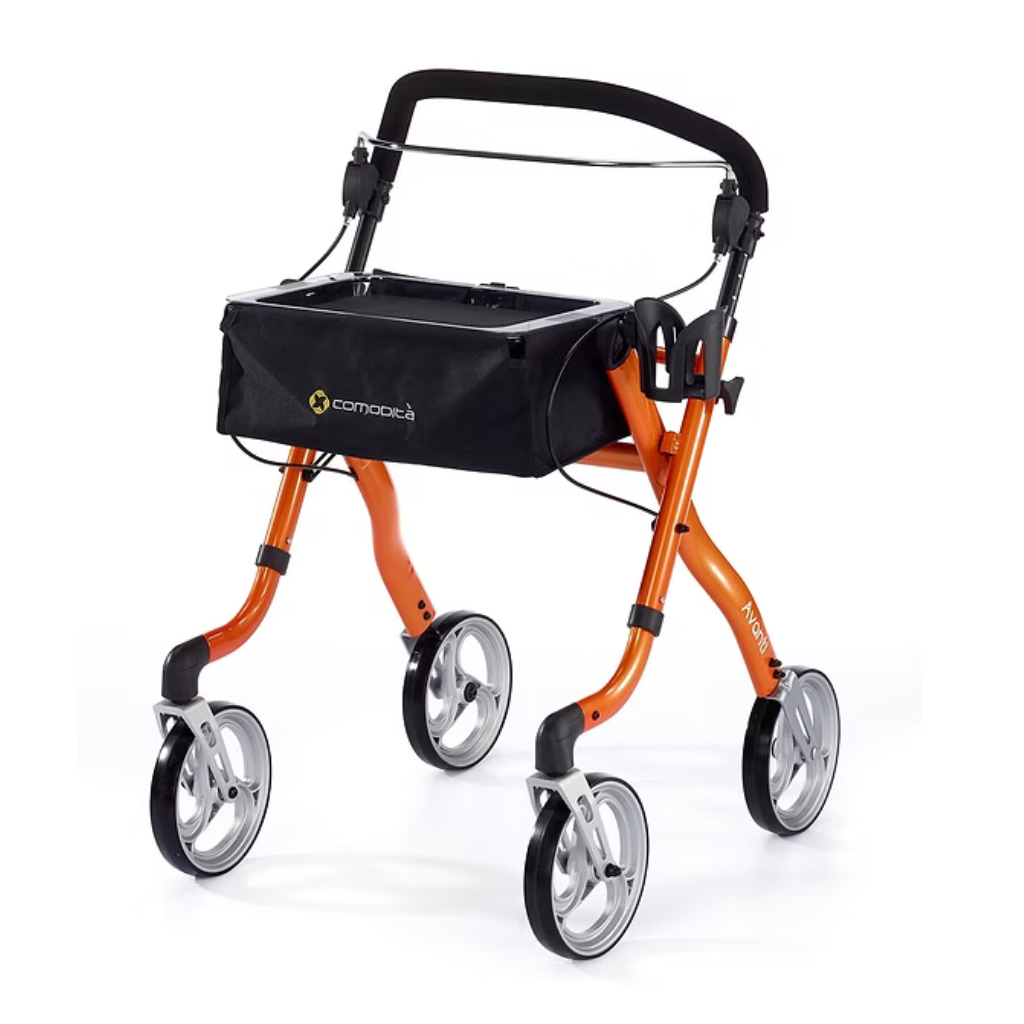
COMODITÀ Avanti Walker Aid
A strong everyday rollator option for seniors who need walking support, seated rest, and a more confidence-focused mobility routine.
View Product
Lumex Set n’ Go Rollator
A practical adjustable-height rollator for users who need a walking aid with seat support and flexible fit considerations.
View Product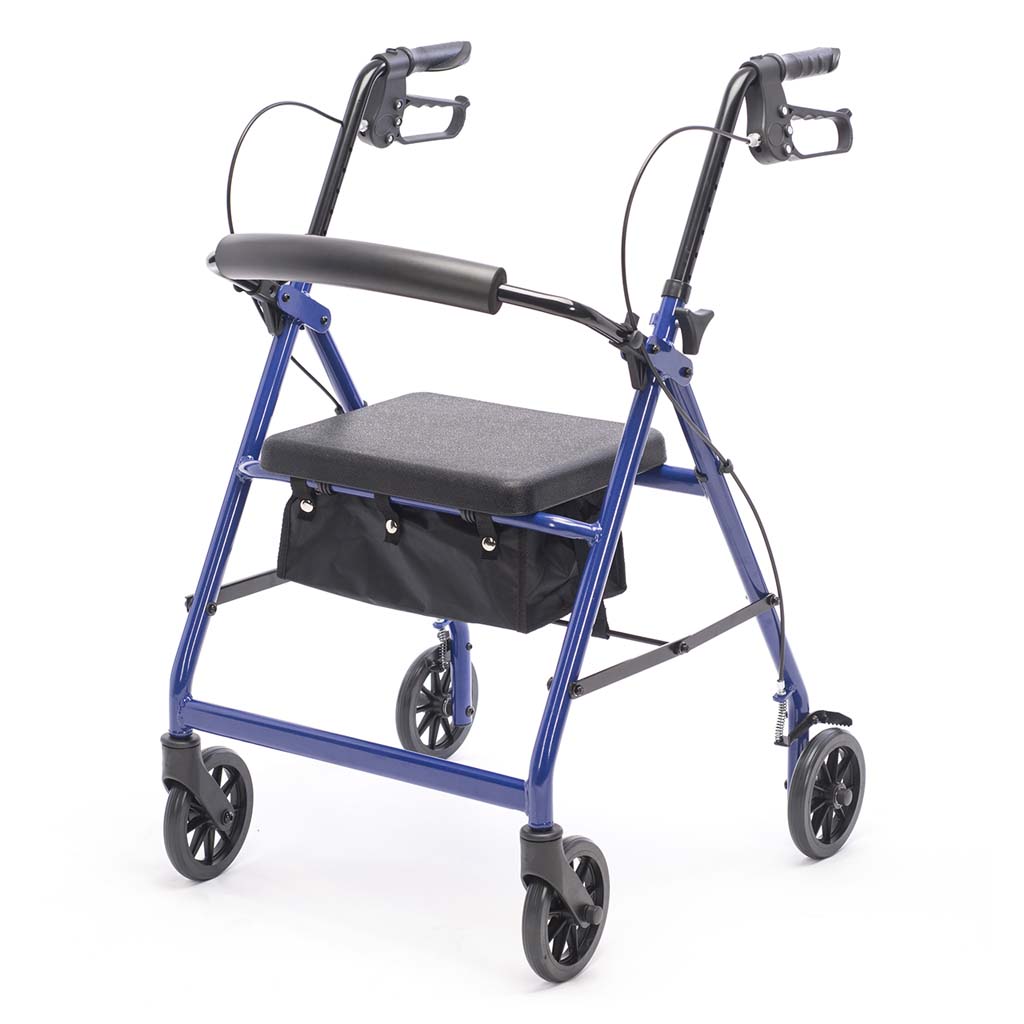
Protekt Aluminum Rollator
A lightweight rollator style for seniors comparing daily walking support, easy handling, and seated rest during routine activities.
View Product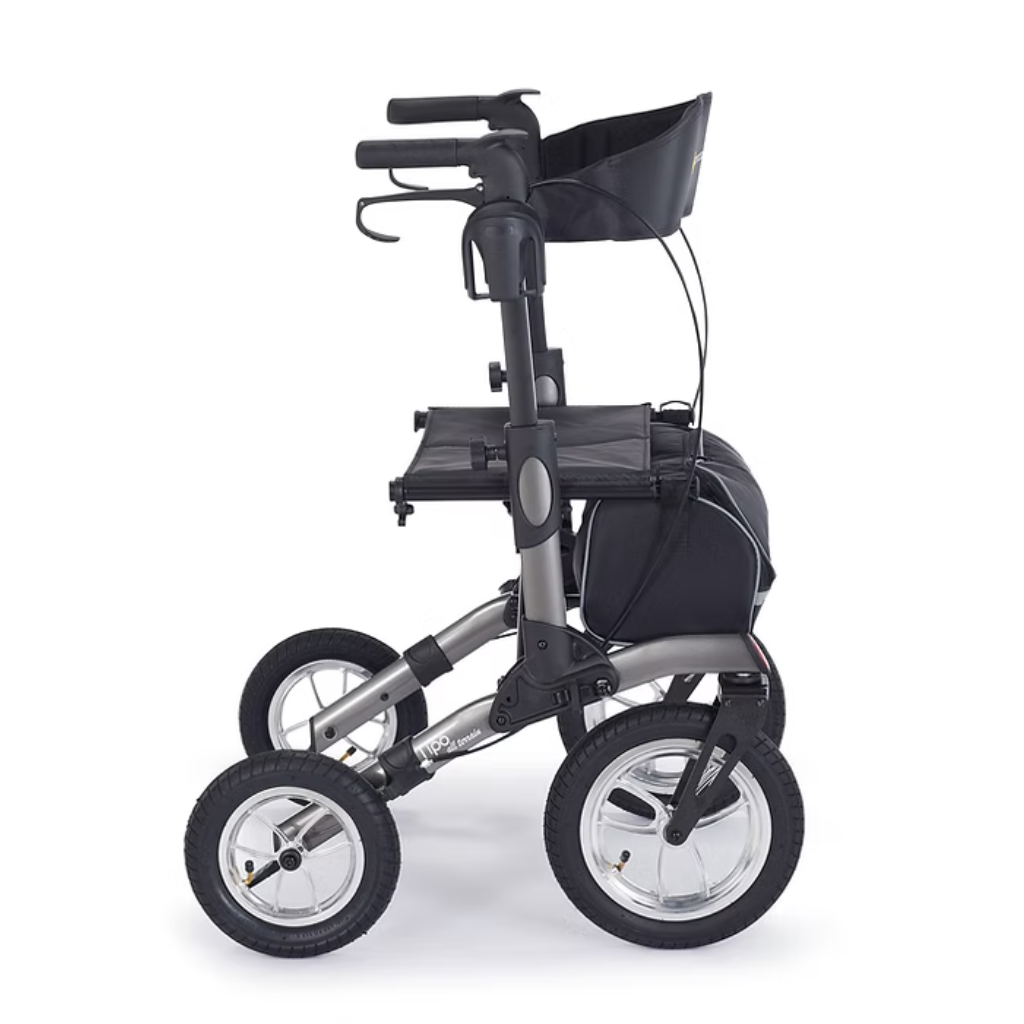
COMODITÀ Tipo All Terrain
An outdoor-focused rollator option for sidewalks, parks, community outings, and seniors who need more confidence outside the home.
View Product
Lumex Gaitster Upright Rollator
An upright rollator style for users who may prefer a more upright walking posture while still needing rollator-style support.
View Product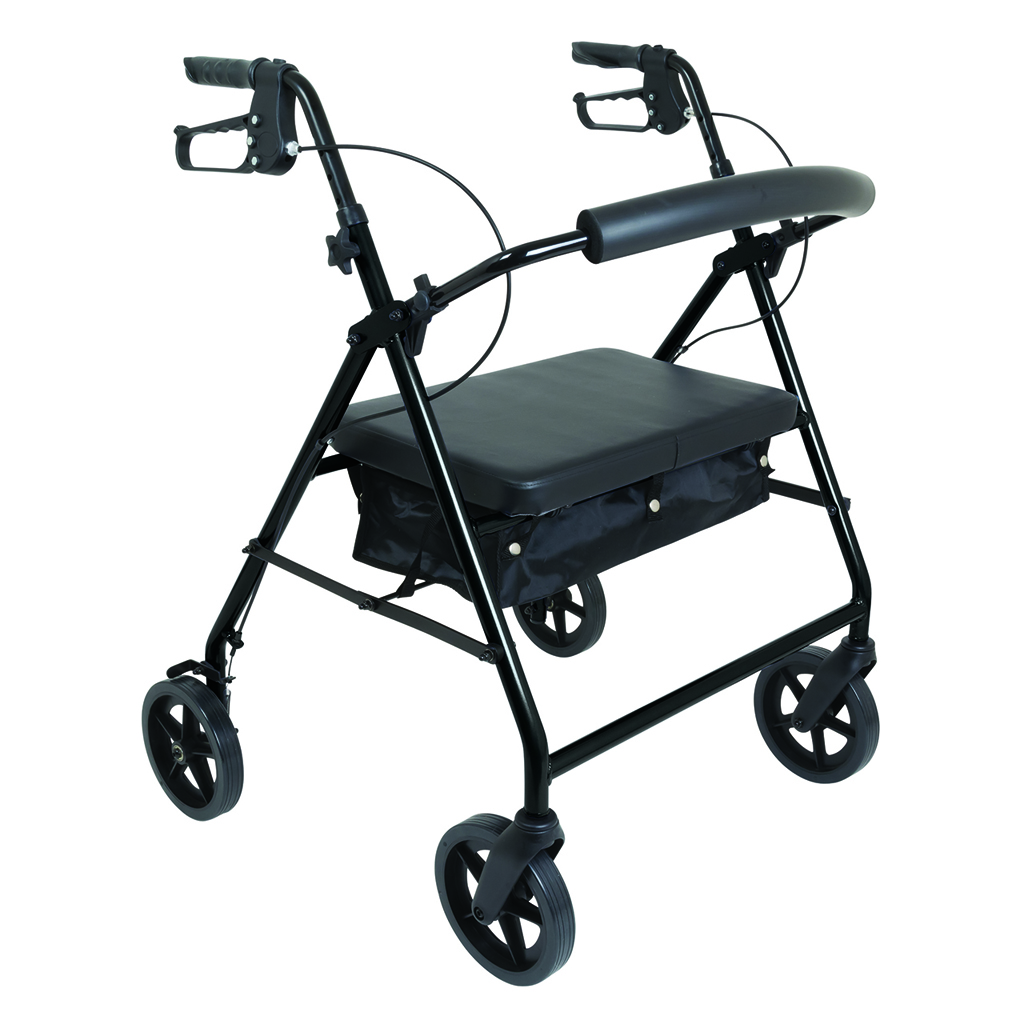
Protekt Bariatric Rollator
A heavy-duty rollator category option for users who need stronger frame support, wider seating, and higher weight capacity.
View Product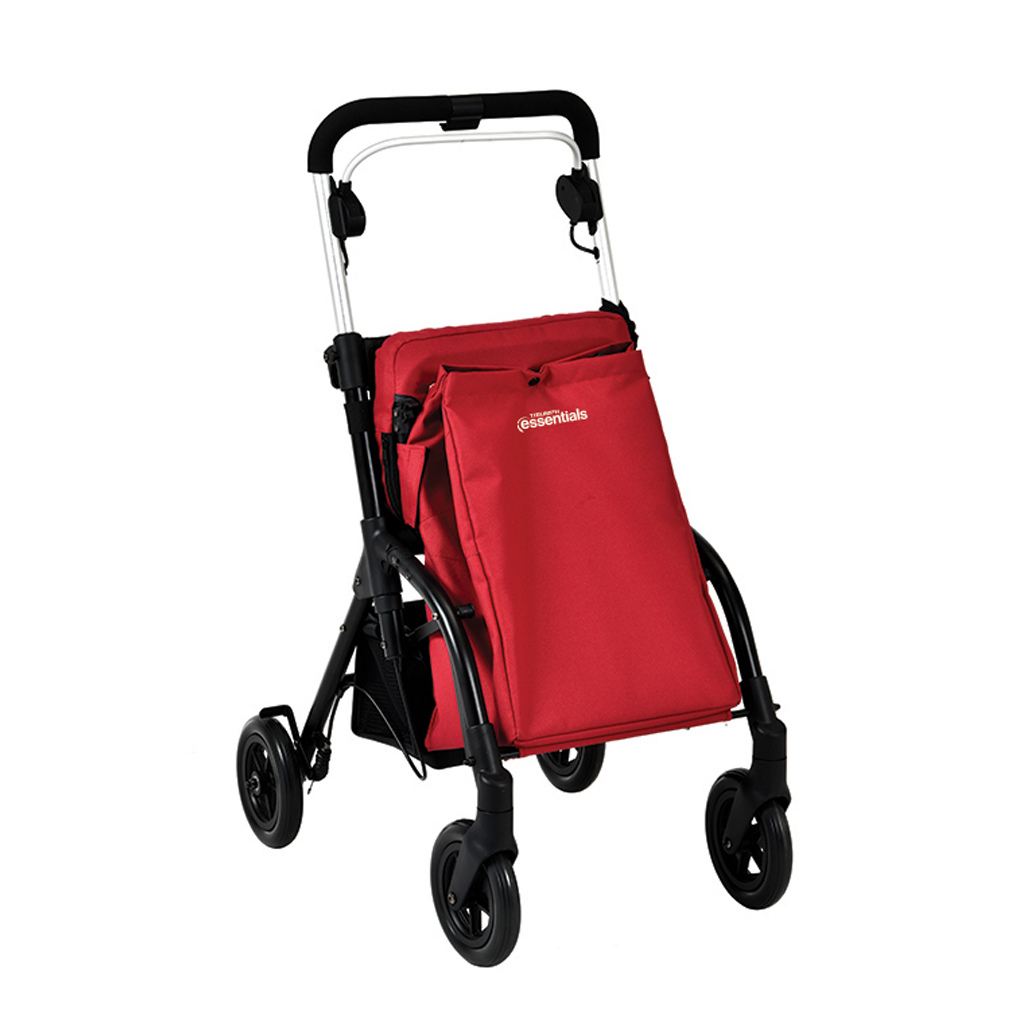
Essentials Shopping Rollator
A shopping-focused rollator concept for users who need mobility support, seated rest, and storage during errands or store visits.
View Product
Karman R-4602-T Rollator / Transport Chair
A two-in-one style for situations where a senior may walk part of the way but need caregiver-assisted transport during longer outings.
View Product
Karman Aluminum LT-1000
A lightweight transport wheelchair category option for appointments, travel, shopping, and caregiver-assisted longer distances.
View Product
EV Rider Transport 4M
A foldable scooter option for seniors who need powered support for shopping, travel, outdoor events, and longer community outings.
View ProductBest mobility category by common need
This quick guide keeps the recommendations educational and focused on matching the right type of support to the right mobility problem.
Compare Walkers Side-by-Side
Use the comparison chart, complete guide, and assessment tool to continue narrowing down the safest option.
Walkers Comparison PDF
Download the complete comparison chart to review walker and rollator options side by side.
Download Comparison ChartComplete Walker Guide
Read the full walker guide for deeper education on standard walkers, rollators, features, and use cases.
Read Complete GuideMobility Assessment Tool
Use the assessment tool to compare balance support, seated rest, outdoor needs, and walking distance.
Start AssessmentFrequently Asked Questions About Senior Mobility
These common questions address the real decisions families search for when comparing senior mobility, elderly mobility problems, walking difficulties in elderly adults, balance problems in elderly people, mobility aids for seniors, walker vs rollator choices, travel support, and outdoor safety for seniors.
Senior Mobility FAQ Answer Hub
Each answer is written to give clear, practical guidance for older adults, caregivers, and families comparing mobility support options.
Why do seniors lose mobility?
Seniors may lose mobility because of muscle loss, arthritis, joint degeneration, balance changes, neurological conditions, vision changes, pain, reduced endurance, fear of falling, or recovery from illness or surgery.
In many older adults, mobility decline is gradual. A person may first walk slower, avoid longer outings, need more rest, hold furniture for balance, or feel less confident outdoors. Early attention can help reduce fall risk and preserve independence longer.
What causes balance problems in older adults?
Balance problems in older adults can be caused by muscle weakness, inner ear changes, vision problems, neuropathy, medication side effects, blood pressure changes, neurological conditions, arthritis, foot pain, or reduced coordination.
Because balance depends on several body systems working together, a change in one area can make walking, turning, standing, or navigating outdoor surfaces feel less stable.
How much walking should seniors do daily?
There is no single walking amount that fits every senior. The safest amount depends on health conditions, balance, endurance, pain, fall history, and medical guidance.
Many older adults benefit from regular movement, but walking should be paced safely. Short, frequent walks with rest breaks may be better than one long walk, especially for seniors with fatigue, arthritis, shortness of breath, dizziness, or recent falls.
What is the safest walker for seniors?
The safest walker is the one that matches the person’s balance, strength, walking ability, hand control, and environment. A standard walker may provide more stability for short controlled walking, while a rollator may be better for active seniors who need wheels, brakes, and a seat.
A walker should be properly sized, easy to control, stable on the intended surface, and used only by someone who can operate it safely.
What is the difference between a walker and a rollator?
A standard walker is usually designed for maximum stability and controlled short-distance walking. A rollator typically has wheels, hand brakes, and often a built-in seat for rest breaks.
The walker vs rollator decision usually depends on whether the senior needs firm stability or more mobile walking support with seated rest. A rollator can be helpful for endurance, but it requires safe brake use, steering ability, and good awareness.
Is a rollator better than a walker?
A rollator is not automatically better than a walker. A rollator may be better for seniors who can walk safely but need support, wheels, hand brakes, and a seat during longer outings.
A standard walker may be better when maximum stability is the main concern. Seniors with poor balance, confusion, weak grip, unsafe brake use, or high fall risk may need a more stable option or professional evaluation before using a rollator.
What is the best walker for outdoor use?
The best walker for outdoor use is usually one that fits the terrain, distance, and user’s balance level. Many seniors prefer rollators or all-terrain rollators outdoors because they roll more easily and may include a seat for rest breaks.
Outdoor use should consider wheel size, brakes, surface conditions, curb cuts, slopes, gravel, grass, sidewalks, and whether the senior can safely control the device.
When should a senior use a transport chair?
A senior may benefit from a transport chair when they can walk short distances but cannot safely manage long distances at airports, medical appointments, shopping centers, vacations, theme parks, or family outings.
Transport chairs are usually pushed by a caregiver, so they are best when caregiver assistance is available and the main challenge is distance, fatigue, pain, or endurance.
When is a wheelchair better than a walker?
A wheelchair may be better than a walker when walking is unsafe, severely limited, painful, exhausting, or no longer practical for daily activities.
A walker supports walking. A wheelchair supports seated mobility. If the senior cannot safely stand, walk, turn, or recover balance even with a walker, a wheelchair or professional mobility evaluation may be more appropriate.
Should seniors use a mobility scooter?
A mobility scooter may be helpful for seniors who can sit upright, steer safely, operate controls, transfer on and off the scooter, and need powered support for longer distances.
Scooters are commonly considered for shopping centers, parks, outdoor events, travel, and community mobility. They are not ideal for every senior, especially if the person has poor judgment, unsafe transfers, vision problems, or difficulty operating controls.
Are mobility scooters covered by Medicare?
Medicare Part B may cover scooters and power wheelchairs as durable medical equipment when they are medically necessary and eligibility requirements are met. Medicare states that wheelchairs and scooters can help people get around if they have limited ability to walk.
Medicare generally requires medical necessity, a face-to-face examination, and a written prescription from a treating provider for power wheelchair or scooter coverage. Review Medicare’s official wheelchair and scooter coverage page for details: Medicare wheelchairs and scooters coverage.
Are walkers covered by Medicare?
Medicare Part B may cover walkers, including rollators, as durable medical equipment when the person is eligible and the walker is medically necessary for use in the home.
Coverage can depend on the prescription, supplier requirements, assignment, deductible, coinsurance, and Medicare rules. Review Medicare’s official walker coverage page for details: Medicare walkers coverage.
How can seniors walk longer distances safely?
Seniors can often walk longer distances more safely by pacing activity, taking planned rest breaks, using proper footwear, staying hydrated, avoiding extreme heat, choosing smooth routes, and using appropriate mobility support when needed.
If fatigue is the main problem, a rollator with a seat, transport chair, wheelchair, or mobility scooter may help preserve energy during longer outings.
How do I know if my parent needs mobility assistance?
Your parent may need mobility assistance if they are avoiding outings, holding furniture, walking slower, falling, stumbling, tiring after short distances, fearing walking alone, struggling to stand, or having difficulty navigating stores and outdoor areas.
The best next step is to observe where the problem happens: indoors, outdoors, in stores, during travel, during transfers, or after longer distances. That pattern helps identify whether the need is balance support, seated rest, caregiver assistance, or powered mobility.
What are the warning signs of mobility decline?
Warning signs of mobility decline include slower walking, shorter steps, furniture walking, fear of falling, recent falls, reduced outings, trouble standing, fatigue after short distances, difficulty with stairs, and hesitation on uneven surfaces.
These signs should be taken seriously because reduced activity can lead to further weakness, lower confidence, and greater fall risk over time.
What mobility aid is best for grocery shopping?
For grocery shopping, many seniors benefit from a rollator if they can walk safely but need seated rest and walking support. A transport chair may be better when walking through the store is too tiring or unsafe and a caregiver is available.
The best option depends on walking distance, balance, fatigue, ability to stand in checkout lines, and whether the person needs storage, seating, or caregiver assistance.
What mobility aid is best for travel?
The best mobility aid for travel depends on the trip. A rollator may work for active seniors who need walking support and rest breaks. A transport chair may be better for airports, medical visits, and caregiver-assisted trips. A scooter may be useful for longer outdoor distances when the person can operate it safely.
Before travel, consider storage, folding size, airline or cruise rules, terrain, elevators, walking distances, caregiver support, and transfer ability.
What is the best mobility aid for seniors with balance problems?
For seniors with balance problems, the best mobility aid depends on how unstable they are. A standard walker may provide more stable support for short-distance walking, while a rollator may be appropriate only if the person can safely control wheels and brakes.
If balance problems are severe, repeated falls are occurring, or walking is unsafe even with support, a healthcare professional should evaluate the person before choosing a device.
What is the best mobility aid for seniors who get tired easily?
Seniors who get tired easily may benefit from a rollator with a seat if they can still walk safely and need rest breaks. If fatigue limits longer outings, a transport chair, wheelchair, or scooter may be more practical.
The key is identifying whether the person needs occasional seated rest, caregiver-assisted mobility, or powered mobility for longer distances.
Can using a walker prevent falls?
A walker can help reduce fall risk when it is properly fitted, used correctly, and matched to the person’s needs. However, a walker does not automatically prevent falls.
Falls can still happen if the device is the wrong type, the person uses it incorrectly, the environment is unsafe, the person is dizzy or weak, or the walker is not appropriate for the surface.
Can a rollator increase fall risk?
A rollator can increase fall risk if the user cannot safely manage the wheels, brakes, turning, sitting, standing, or speed of the device.
Rollators are helpful for many active seniors, but they require control and judgment. Seniors with severe balance problems, cognitive impairment, unsafe brake use, or frequent falls may need a more stable device or professional assessment.
What is better for outdoor walking, a walker or rollator?
For outdoor walking, a rollator is often more practical when the person can use it safely because it rolls more easily and may provide a seat for rest breaks.
A standard walker may be better when maximum stability is needed, but it is often less convenient outdoors, especially on longer routes or uneven surfaces.
What is the difference between a transport chair and a wheelchair?
A transport chair is typically pushed by a caregiver and is often lighter and easier to manage for travel or appointments. A wheelchair may allow more independent movement depending on the model and user ability.
Transport chairs are often used for shorter-term or outing-based support, while wheelchairs may be used when daily seated mobility is needed.
When should a senior stop walking without assistance?
A senior should consider walking assistance when they are falling, stumbling, holding furniture, afraid to walk alone, getting tired quickly, struggling to stand, or avoiding normal activities because walking feels unsafe.
The goal is not to stop independence. The goal is to add the right level of support before a serious fall or injury occurs.
What should caregivers look for when mobility gets worse?
Caregivers should watch for changes in walking speed, balance, posture, confidence, endurance, transfers, stairs, outdoor movement, and willingness to leave the home.
Also watch for new fear of falling, furniture walking, leaning on others, avoiding stores, needing more rest, or difficulty standing from chairs, beds, toilets, or cars.
What is the safest mobility aid for seniors after a fall?
The safest mobility aid after a fall depends on what caused the fall and how the person moves now. Some people may need a walker, some may need a rollator, some may need a wheelchair, and others may need therapy or a medical evaluation before choosing equipment.
After a fall, it is important to review balance, strength, medications, vision, footwear, home hazards, outdoor hazards, and whether the person can use a device safely.
Are 4 wheel walkers with seats safe for seniors?
Four-wheel walkers with seats can be safe for seniors who can control the device, use hand brakes properly, turn safely, and sit or stand from the seat correctly.
They may not be ideal for seniors with severe balance problems, poor brake control, confusion, or unsafe sitting and standing habits.
What is the best mobility aid for parks and outdoor events?
For parks and outdoor events, the best mobility aid depends on terrain, distance, endurance, and safety. All-terrain rollators may help seniors who can walk but need support and rest. Mobility scooters may help when distance and fatigue are the main concerns.
Transport chairs can also be useful when a caregiver is available and the senior cannot safely walk long distances.
How can seniors stay mobile during summer?
Seniors can stay more mobile during summer by walking during cooler times, drinking water, avoiding prolonged direct sun, using shade, planning rest breaks, wearing proper footwear, and reducing long outdoor walking in extreme heat.
For seniors with reduced endurance, a rollator with seat, transport chair, or scooter may help them continue participating in outdoor activities more safely.
What mobility aid is best for airports?
For airports, transport chairs, airport wheelchair assistance, travel scooters, and foldable rollators are common options depending on the person’s walking distance, endurance, transfer ability, and caregiver support.
Airports often require more walking than expected, including parking, security, terminals, gates, baggage claim, and transportation areas.
What mobility aid is best for cruises?
For cruises, the best mobility aid depends on the ship layout, cabin size, hallway distance, ports, excursions, boarding process, and whether the person can safely store and use the device.
Rollators, transport chairs, wheelchairs, and scooters may all be appropriate in different situations. Always check cruise line mobility equipment rules before traveling.
Can mobility aids help seniors stay independent?
Yes. The right mobility aid can help seniors stay more independent by improving confidence, reducing fatigue, supporting balance, allowing rest breaks, and making outings more realistic.
Mobility aids should not be viewed as giving up independence. In many cases, they help preserve independence by making movement safer and more manageable.
How do I choose between a rollator and a transport chair?
Choose a rollator when the senior can still walk safely, control brakes, steer, and benefit from seated rest. Choose a transport chair when the person cannot safely walk the full distance and a caregiver is available to push.
A rollator supports walking. A transport chair supports seated transportation. Some two-in-one models may help when the person needs both walking support and caregiver-assisted mobility.
What is the best mobility aid for shopping malls?
For shopping malls, a rollator may help seniors who can walk but need rest breaks. A transport chair may be better when distance is too much and a caregiver is available. A scooter may be useful for longer mall trips when the person can operate it safely.
The best choice depends on walking distance, standing tolerance, fatigue, balance, and the senior’s ability to use the device safely in crowds.
Should a senior use a cane, walker, rollator, wheelchair, or scooter?
A cane may help with mild balance support. A walker may help with greater stability. A rollator may help active seniors who need support and rest breaks. A wheelchair may be better when walking is unsafe or very limited. A scooter may help with longer distances when the person can operate it safely.
The right choice depends on the main limitation: balance, endurance, pain, distance, caregiver support, transfer ability, and environment.
When should families ask a healthcare professional about mobility decline?
Families should ask a healthcare professional when there are falls, dizziness, sudden weakness, new confusion, worsening balance, severe pain, shortness of breath, new walking changes, or rapid mobility decline.
Professional input can help identify medical causes, therapy needs, medication concerns, fall risks, and the safest mobility aid for the person’s condition.
Sources & References
These trusted sources support the Medicare coverage, fall-prevention, and mobility-safety topics discussed in this FAQ section.
Medicare – Walkers Coverage
Official Medicare coverage information for walkers and rollators when medically necessary.
View Medicare Walkers CoverageMedicare – Wheelchairs & Scooters Coverage
Official Medicare coverage information for wheelchairs and scooters when eligibility requirements are met.
View Medicare Wheelchairs & Scooters CoverageNational Institute on Aging – Falls and Falls Prevention
Older adult fall-prevention education from the National Institute on Aging.
View NIA Falls Prevention GuidanceAbout the Author
Pinny Surkis is the Founder of MedCare Mobility, a national provider and authorized dealer of premium home medical equipment. He researches patient transfers, Hoyer lifts, patient lift slings, pressure relief mattresses, mobility solutions, and caregiver safety while developing educational resources that help patients, families, caregivers, and healthcare professionals make more informed equipment decisions.
Learn More About Pinny Surkis and His Research