

Home Medical Equipment Resources for Healthcare Professionals | MedCare Mobility
Trusted Home Medical Equipment Resources for Healthcare Professionals & Care Teams
MedCare Mobility brings together practical home medical equipment resources, discharge planning tools, printable checklists, comparison charts, and interactive assessment tools to help care teams support safer transitions home, better mobility planning, pressure injury prevention, fall prevention, and caregiver safety.
Designed for professionals and care teams including:
Better Planning. Safer Care. Every Safe Transition Home Starts With the Right Plan.
Successful hospital-to-home care begins before the patient arrives home. Care teams evaluate mobility, safety, caregiver readiness, the home environment, and changing support needs so patients can recover with greater confidence and appropriate home medical equipment in place.
Safe Transition Home
Plan early so the home, caregivers, and equipment are ready before discharge.
Mobility & Independence
Support walking, balance, transfers, and daily movement with the right tools.
Pressure Relief
Plan for positioning, comfort, and support surfaces when mobility is limited.
Caregiver Readiness
Give families practical guidance that improves confidence and reduces strain.
Equipment Planning
Match durable medical equipment to safety, mobility, home setup, and care needs.
Ongoing Review
Reassess needs as mobility, strength, comfort, and caregiver support change.
Home Health Nurse Resource Center
Home health nurses are often the first professionals to see whether a patient’s home setup, caregiver support, mobility level, pressure relief plan, and durable medical equipment are truly ready for daily care. This section connects nurses to practical resources for hospital-to-home care, home safety, pressure injury prevention, fall risk reduction, and equipment planning.
- What home medical equipment should be reviewed after discharge?
- How can a nurse identify fall, transfer, and pressure injury risks at home?
- Which resources help families prepare for safer home care?
- Where can nurses find checklists, guides, and assessment tools quickly?
Common Care Priorities
Key areas home health nurses often evaluate when patients return home or require continued support.
Transition Home Safely
Review home setup, caregiver readiness, and equipment needs before daily care begins.
Reduce Fall Risk
Identify mobility limits, unsafe surfaces, poor fit, and missing safety supports.
Improve Mobility
Support safer walking, standing, transfers, and movement throughout the home.
Prevent Pressure Injuries
Plan for pressure relief, positioning, support surfaces, and limited mobility.
Support Caregivers
Help families understand equipment, transfers, safety risks, and daily routines.
Equipment Planning
Match equipment to mobility, safety, skin protection, caregiver, and home needs.
Frequently Needed Resources
Curated tools, checklists, and guides for home health visits, discharge follow-up, patient education, and family support.
Hospital-to-Home Recovery Planner
A practical discharge and recovery planning resource for organizing equipment, home setup, caregiver support, and follow-up needs.
Download Planner → Resource LibraryHome Medical Equipment Buying Resources
Central access to MedCare Mobility’s guides, comparison charts, PDF downloads, and equipment education resources.
Browse Resources → Mobility GuideSenior Mobility Challenges & Solutions
Useful for understanding walking difficulty, balance issues, outdoor safety, mobility aids, and independence planning.
View Mobility Guide → Patient Safety GuideBed Sores & Pressure Ulcers Prevention
A detailed pressure injury prevention resource covering warning signs, risk factors, positioning, support surfaces, and prevention planning.
View Pressure Injury Guide → PDF ChecklistHome Safety Checklist
A printable checklist to help review common home hazards, mobility barriers, fall risks, and safety concerns for older adults.
Download Checklist → PDF ChecklistAging in Place Checklist
A planning guide for home safety, mobility, independence, caregiver support, and long-term aging-in-place preparation.
Download Checklist → Assessment ToolsMedical Equipment Assessment Center
Interactive equipment recommendation tools for matching patient needs with mattresses, cushions, walkers, and additional categories.
Use Assessment Tools →Recommended Equipment Categories for Home Health Planning
Common durable medical equipment categories nurses may review when assessing safety, mobility, pressure relief, transfers, and caregiver support at home.
Physical Therapist Resource Center
Physical therapists help patients move more safely, rebuild strength, improve balance, and maintain functional independence after illness, injury, surgery, hospitalization, or age-related mobility decline. This section connects PTs to practical home medical equipment resources for walking support, transfer safety, equipment progression, fall prevention, and hospital-to-home mobility planning.
- Which mobility aid fits the patient’s current walking ability and endurance?
- When should a walker, rollator, wheelchair, sit-to-stand device, or lift be considered?
- What equipment helps support safer transfers and caregiver-assisted mobility?
- Which resources help families continue mobility and safety planning at home?
Common PT Care Priorities
Key areas physical therapists often evaluate when matching mobility goals with home equipment, caregiver support, and functional safety needs.
Mobility Support
Match walking support to strength, gait stability, endurance, and daily movement needs.
Walking & Gait
Support safer ambulation with walkers, rollators, wheelchairs, and progression planning.
Balance & Fall Risk
Identify instability, fatigue, unsafe surfaces, and equipment that may reduce fall exposure.
Transfers
Plan safer sit-to-stand, bed-to-chair, wheelchair, toilet, and caregiver-assisted transfers.
Functional Independence
Support realistic home mobility for daily routines, room-to-room movement, and outings.
Equipment Progression
Reassess equipment as patients improve, decline, fatigue, or require more transfer support.
Frequently Needed Resources
Curated resources for PT mobility planning, fall prevention, transfer support, equipment education, and family-facing home care preparation.
Senior Mobility Challenges & Solutions
Use this for walking difficulty, balance problems, outdoor safety, mobility aids, and independence planning.
View Mobility Guide → Assessment ToolsMedical Equipment Assessment Center
Interactive tools for matching patient needs with walkers, mattresses, cushions, and future equipment categories.
Use Assessment Tools → Buying ResourcesHome Medical Equipment Buying Guides
Central access to comparison charts, PDF downloads, product education, and equipment selection resources.
Browse Buying Resources → PDF PlannerHospital-to-Home Recovery Planner
A useful planning worksheet for discharge mobility needs, home setup, caregiver support, and equipment readiness.
Download Planner → PDF ChecklistHome Safety Checklist
Helpful for reviewing trip hazards, mobility barriers, room layout, walkways, and home safety concerns.
Download Checklist → PDF ChecklistAging in Place Checklist
Supports longer-term planning around independence, mobility, home setup, caregiver support, and changing needs.
Download Checklist →Recommended Equipment Categories for PT Mobility Planning
Common durable medical equipment categories physical therapists may review when supporting safe walking, transfer progression, seated mobility, caregiver assistance, and home function.
Occupational Therapist Resource Center
Occupational therapists help patients function more safely inside the real home environment — not just during therapy, but during bathing, dressing, toileting, cooking, transfers, room-to-room movement, and daily routines. This section connects OTs to practical home medical equipment resources for activities of daily living, home safety, adaptive equipment, caregiver education, bathroom safety, and aging-in-place planning.
- What equipment helps patients complete daily activities more safely at home?
- Which home safety issues should be reviewed before discharge or after decline?
- How can adaptive equipment reduce caregiver strain and improve independence?
- Which resources help families prepare the home for safer long-term care?
Common OT Care Priorities
Key areas occupational therapists often evaluate when matching home setup, equipment, caregiver support, and daily function to the patient’s real living environment.
Activities of Daily Living
Support bathing, dressing, toileting, eating, grooming, and daily home routines.
Bathroom Safety
Identify risks around toilets, showers, tubs, transfers, wet floors, and narrow spaces.
Home Accessibility
Review room layout, pathways, furniture spacing, bed access, and mobility barriers.
Home Environment
Match equipment to the patient’s actual bedroom, bathroom, kitchen, and living areas.
Adaptive Equipment
Support independence with tools that reduce effort, risk, and unnecessary strain.
Caregiver Education
Help families understand safe setup, transfers, positioning, and daily support needs.
Frequently Needed Resources
Curated resources for OT home evaluations, aging-in-place planning, adaptive equipment conversations, daily safety education, and caregiver preparation.
Home Safety Checklist for OT Home Reviews
A printable resource for reviewing hazards, mobility barriers, room layout, walkways, bathroom safety, and common fall risks.
Download Checklist → PDF Planning ToolAging-in-Place Planning Checklist
Helpful for conversations around long-term home safety, independence, mobility, caregiver support, and changing functional needs.
Download Checklist → Home Care GuidePatient Care & Safety at Home
A practical resource for families managing daily care, transfers, pressure relief, home setup, and patient safety routines.
View Home Care Guide → Transfer ResourceSafer Transfers at Home
Useful for caregiver education around bed, chair, wheelchair, toilet, and lift-assisted transfers in the home environment.
View Transfer Resource → Assessment ToolsMedical Equipment Assessment Center
Interactive tools that help match patient needs with equipment categories such as walkers, cushions, mattresses, and future tools.
Use Assessment Tools → Buying ResourcesHome Medical Equipment Resource Library
Central access to guides, comparison PDFs, product education, and equipment planning resources for families and care teams.
Browse Buying Resources →Recommended Equipment Categories for OT Home Safety Planning
Common durable medical equipment categories occupational therapists may consider when supporting activities of daily living, home access, bedroom setup, transfers, and caregiver-assisted routines.
Hospital Case Manager & Discharge Planner Resource Center
Case managers and discharge planners help bridge the gap between hospital care and safe home recovery. When home medical equipment, caregiver readiness, mobility support, pressure relief, and home setup are reviewed before discharge, families are better prepared for the transition from hospital to home care. This section brings together practical resources for durable medical equipment planning, discharge coordination, home readiness, and patient education.
- What equipment should be considered before a patient is discharged home?
- How can families prepare the home before delivery or setup?
- Which resources help explain beds, mattresses, wheelchairs, lifts, and walkers?
- Where can discharge teams find checklists, comparison guides, and assessment tools?
Common Discharge Planning Priorities
Key areas case managers and discharge planners often coordinate when helping patients transition from hospital, rehab, or post-acute care into the home environment.
Transition Home
Prepare patients and families for hospital-to-home care before discharge day arrives.
Equipment Coordination
Identify beds, wheelchairs, walkers, lifts, mattresses, and accessories needed at home.
Discharge Planning
Connect recovery goals, home setup, caregiver capacity, and equipment readiness.
Caregiver Preparation
Help families understand daily care needs, transfers, safety risks, and equipment use.
Home Readiness
Review space, pathways, bedroom setup, bathroom access, and mobility barriers.
Ongoing Needs
Plan for changing mobility, pressure relief, caregiver support, and follow-up needs.
Frequently Needed Resources
Curated planning tools, checklists, equipment education, and comparison resources for discharge teams, case managers, families, and care coordinators.
Hospital-to-Home Recovery Planner
A practical checklist-style planning resource for equipment needs, home setup, caregiver readiness, recovery support, and discharge preparation.
Download Planner → Resource LibraryHome Medical Equipment Buying Guides
Central access to educational guides, comparison charts, product selection resources, and PDF downloads for families comparing equipment options.
Browse Buying Guides → Assessment ToolsMedical Equipment Assessment Center
Interactive tools that help families and care teams narrow equipment choices based on mobility, safety, support, and care needs.
Use Assessment Tools → Home Care EducationPatient Care & Safety at Home
A helpful family-facing resource for understanding home care routines, transfers, pressure relief, patient safety, and caregiver support.
View Home Care Guide → Transfer PlanningPatient Transfer Planning at Home
Useful when families need guidance around bed-to-chair transfers, lift use, slings, caregiver safety, and transfer equipment options.
View Transfer Resource → PDF ChecklistHome Safety Checklist
A printable home review resource for identifying mobility barriers, fall risks, room layout concerns, and safety needs before or after discharge.
Download Checklist →Recommended Equipment Categories for Discharge Planning
Common durable medical equipment categories case managers and discharge planners may review when helping families prepare for home recovery, mobility support, pressure relief, and caregiver-assisted care.
Hospice Team Resource Center
Hospice professionals help patients remain as comfortable, safe, and supported as possible while preserving dignity throughout every stage of care. Home medical equipment often plays an essential role in improving comfort, reducing caregiver strain, simplifying repositioning, supporting pressure relief, and helping families provide compassionate hospice care at home.
- Which equipment can improve comfort for hospice patients with limited mobility?
- How can pressure injuries be reduced during extended bed rest?
- What equipment helps caregivers reposition patients more safely and gently?
- Which resources help families prepare for hospice comfort care at home?
Common Hospice Care Priorities
Hospice equipment planning is not centered on rehabilitation. It is centered on comfort, dignity, safer caregiver assistance, pressure relief, and preserving quality of life at home.
Comfort & Quality of Life
Support rest, positioning, daily care, and dignity for patients with changing needs.
Pressure Relief & Skin Protection
Plan support surfaces and repositioning strategies for extended bed rest.
Gentle Positioning
Help reduce painful movement while supporting safer in-bed care routines.
Safe Caregiver Assistance
Reduce physical strain during transfers, repositioning, bathing, and bedside care.
Home Comfort Equipment
Match beds, mattresses, lifts, tables, and chairs to comfort-focused hospice care.
Family & Caregiver Support
Help families understand equipment, care routines, safety needs, and daily support.
Hospice Comfort Care Resources
Curated resources for hospice teams supporting patients with limited mobility, prolonged bed rest, transfer needs, pressure injury risk, caregiver strain, and comfort-focused equipment planning.
Pressure Injury Prevention for Limited Mobility
A detailed resource for understanding pressure points, warning signs, risk factors, support surfaces, and prevention planning.
View Pressure Injury Guide → PDF ChecklistBed Sore Prevention Checklist
A printable checklist hospice teams and families can use when reviewing pressure relief, skin protection, repositioning, and support needs.
Download Checklist → Support Surface ResourcePressure Sore Mattress Planning
Helpful for understanding how pressure relief mattresses may support comfort, skin protection, and care planning for high-risk patients.
View Mattress Resource → Transfer SupportGentle Transfer & Lift Support
Practical guidance for bed-to-chair transfers, lift-assisted movement, sling selection, and reducing caregiver strain during daily care.
View Transfer Resource → Assessment ToolsEquipment Assessment Tools
Interactive tools that help care teams evaluate equipment needs for mattresses, cushions, walkers, and other support categories.
Use Assessment Tools → Resource LibraryHospice-Relevant Equipment Buying Resources
Central access to guides, comparison PDFs, and equipment education for beds, mattresses, lifts, mobility aids, and caregiver support tools.
Browse Buying Resources →Recommended Equipment Categories for Hospice Comfort Planning
Common durable medical equipment categories hospice teams may review when supporting comfort, pressure relief, gentle repositioning, caregiver assistance, and daily bedside care.
Assisted Living Professional Resource Center
Assisted living professionals balance resident independence with everyday safety, staffing realities, mobility changes, transfer needs, pressure injury prevention, and long-term equipment planning. This section brings together practical home medical equipment resources that support safer resident care, informed durable medical equipment decisions, caregiver efficiency, and more consistent support across assisted living communities.
- How can assisted living communities reduce resident falls and mobility-related risks?
- What equipment helps residents remain active while supporting staff safety?
- Which resources help teams plan safer transfers, pressure relief, and daily care?
- How can facilities standardize equipment decisions across changing resident needs?
Common Assisted Living Care Priorities
Key areas assisted living teams often manage when supporting residents with changing mobility, functional decline, transfer needs, pressure injury risk, and caregiver-assisted routines.
Resident Safety
Support safer daily routines, room access, mobility, transfers, and care interactions.
Fall Prevention
Identify mobility decline, unsafe walking patterns, trip hazards, and missing supports.
Resident Mobility
Help residents move through rooms, hallways, common areas, and daily activities.
Transfer Safety
Support safer sit-to-stand, bed, wheelchair, toilet, and caregiver-assisted transfers.
Pressure Injury Prevention
Plan for limited mobility, positioning, support surfaces, and skin protection needs.
Equipment Planning
Standardize equipment conversations as resident mobility and care needs change.
Facility Care Planning Resources
Curated resources for assisted living teams supporting resident mobility, fall prevention, safer transfers, pressure relief, staff efficiency, and long-term equipment planning.
Senior Mobility Challenges & Solutions
Useful for understanding walking decline, balance concerns, outdoor mobility, mobility aids, and independence planning for older residents.
View Mobility Guide → Pressure Injury GuidePressure Injury Prevention for Residents
A detailed resource for pressure points, early warning signs, risk factors, pressure relief surfaces, and prevention planning.
View Pressure Injury Guide → PDF ChecklistResident Room & Home Safety Checklist
A printable checklist that can support room reviews, fall risk conversations, mobility barriers, pathways, and safety concerns.
Download Checklist → Transfer SafetyResident Transfer Support Resource
Helpful for reviewing bed-to-chair transfers, lift-assisted movement, sling considerations, and caregiver safety during daily care.
View Transfer Resource → Assessment ToolsMedical Equipment Assessment Center
Interactive tools that help teams and families compare support needs for mobility aids, mattresses, cushions, and other equipment categories.
Use Assessment Tools → Resource LibraryFacility Equipment Planning Resources
Central access to guides, comparison PDFs, product education, and equipment planning resources for residents, families, and care teams.
Browse Buying Resources →Recommended Equipment Categories for Assisted Living Planning
Common durable medical equipment categories assisted living professionals may review when supporting resident mobility, safer transfers, fall prevention, pressure relief, and staff-assisted care.
Family Caregiver & Loved Ones Resource Center
Caring for someone at home often means making important decisions you may have never faced before. Choosing the right home medical equipment, preparing the home, understanding safe transfers, preventing falls, reducing caregiver strain, and supporting everyday comfort can feel overwhelming. This section brings together practical resources to help families make confident decisions one step at a time.
- Which home medical equipment do we actually need?
- How do I know if my loved one needs a hospital bed, walker, wheelchair, or lift?
- How can I prevent falls and make the home safer?
- What equipment can make caregiving easier and reduce physical strain?
Common Family Caregiving Priorities
Key areas families often face when preparing the home, choosing durable medical equipment, supporting a loved one’s daily needs, and managing care safely over time.
Choosing the Right Equipment
Understand when beds, walkers, wheelchairs, lifts, mattresses, or safety tools may help.
Planning Care at Home
Prepare rooms, pathways, bedside areas, bathrooms, and caregiver routines before care begins.
Keeping Loved Ones Safe
Reduce fall risks, improve mobility support, and identify home safety concerns early.
Reducing Physical Strain
Use transfer, positioning, and mobility resources to support safer caregiving routines.
Supporting Independence
Help loved ones move, sit, stand, rest, and participate in daily life when possible.
Preparing for Changing Needs
Reassess equipment and home setup as strength, mobility, comfort, and care needs change.
Family Caregiver Resources
Practical guides, checklists, assessment tools, and planning resources for families supporting a loved one after discharge, during aging in place, or through changing mobility and care needs.
Home Medical Equipment Buying Resources
Start here to compare equipment types, understand common options, and access guides, charts, and downloadable resources.
Browse Buying Resources → Assessment ToolsMedical Equipment Assessment Center
Use interactive tools to help narrow equipment choices based on mobility, safety, comfort, pressure relief, and care needs.
Use Assessment Tools → PDF PlannerHospital-to-Home Recovery Planner
A printable planning resource for preparing the home, organizing equipment needs, and supporting a smoother transition home.
Download Planner → PDF ChecklistHome Safety Checklist
Review common home hazards, fall risks, pathways, bedroom setup, bathroom safety, and mobility barriers.
Download Checklist → PDF ChecklistAging in Place Checklist
Plan for long-term safety, independence, mobility, caregiver support, home setup, and changing needs over time.
Download Checklist → Patient Safety GuidePressure Injury & Bed Sore Prevention
Learn about pressure points, warning signs, risk factors, positioning, support surfaces, and prevention planning.
View Pressure Injury Guide → Transfer HelpHow to Transfer a Loved One Safely
Helpful guidance for families facing bed, chair, wheelchair, toilet, sling, and lift-assisted transfer challenges.
View Transfer Guide → Caregiver SafetySolutions for Difficult Lifting Situations
Practical support for caregivers dealing with difficult transfers, limited mobility, and physically demanding care routines.
View Lifting Resource →Most Important Home Equipment Categories for Family Caregivers
Common durable medical equipment categories families often compare when preparing the home, supporting mobility, reducing caregiver strain, preventing falls, and improving daily care.
Common Home Medical Equipment Categories for Care Planning
The right durable medical equipment depends on the patient’s mobility, transfer ability, caregiver support, home layout, fall risk, pressure relief needs, and daily care routine. These categories are commonly reviewed by healthcare professionals, care teams, and family caregivers when planning safer hospital-to-home care, aging in place, assisted living support, hospice comfort care, and ongoing mobility needs.
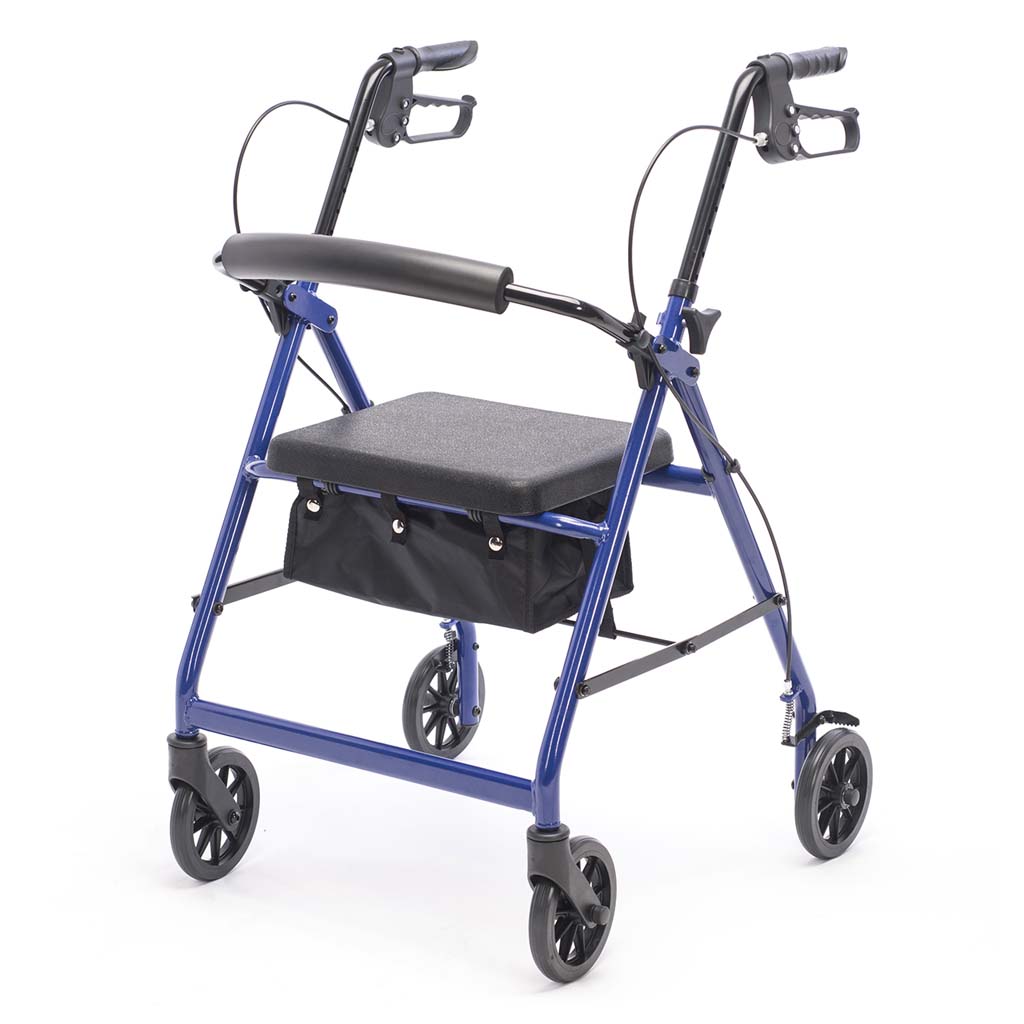
Walker with Seat
Walkers with seats are often considered when a person can still walk but needs balance support, rest breaks, and a safer way to move through the home, facility, or community.
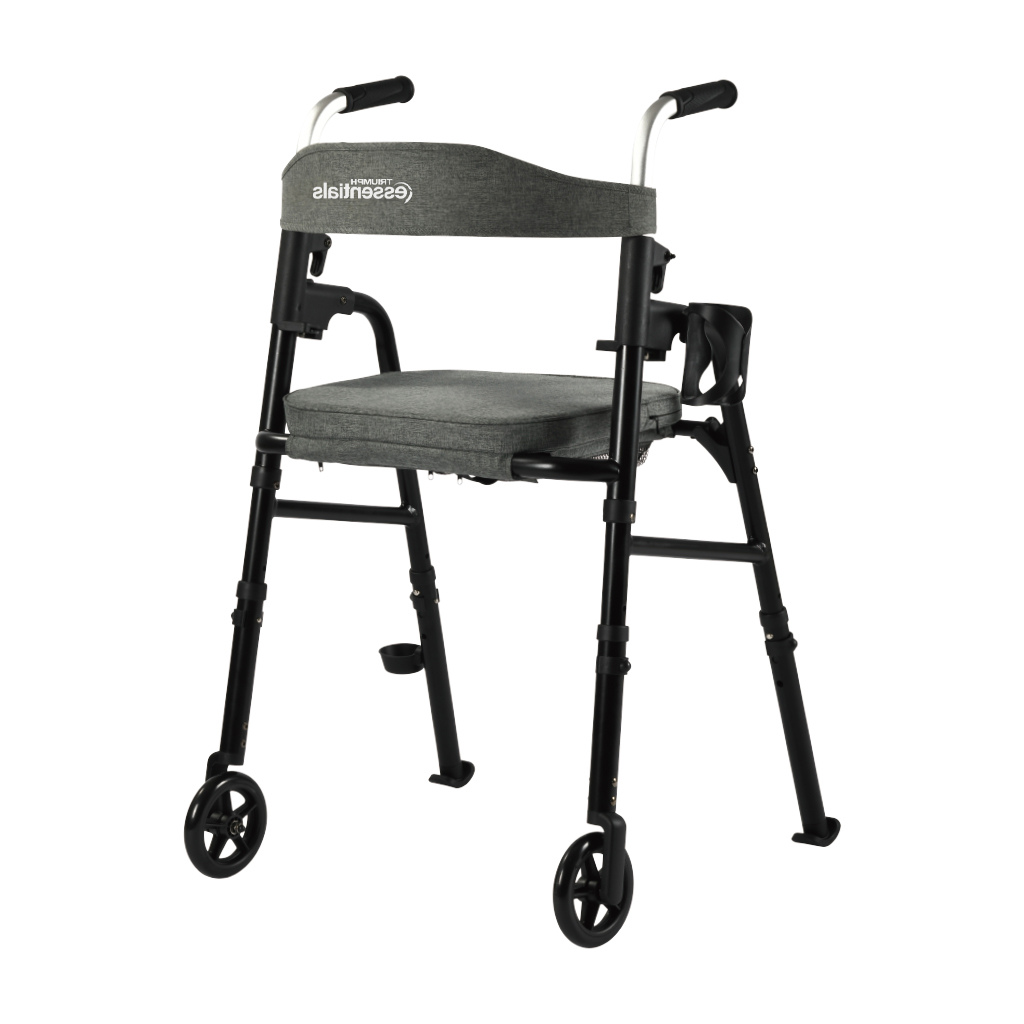
Standard Walker
Standard walkers may be reviewed when maximum stability is more important than speed, especially after surgery, during rehabilitation, or when a patient needs strong step-by-step walking support.
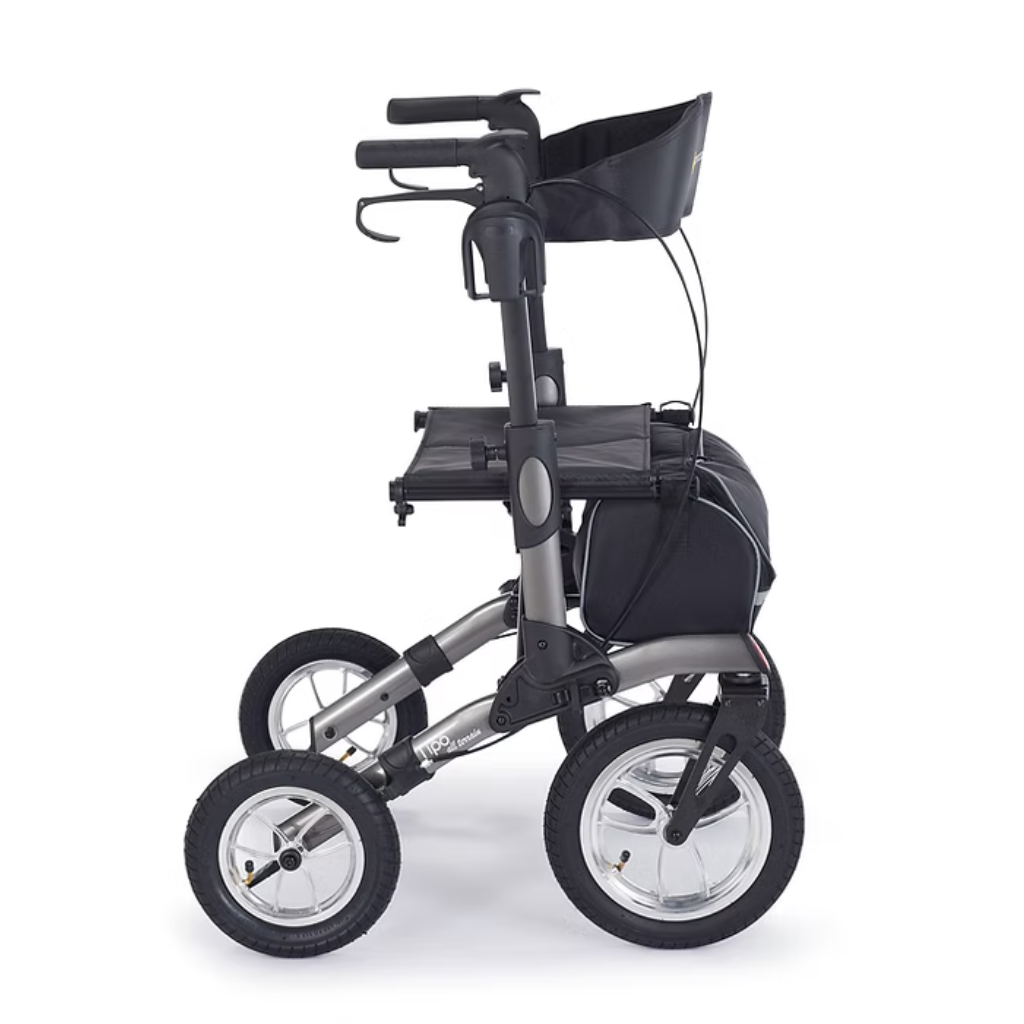
Rollator Walker
Rollator walkers are commonly considered for people who need smoother mobility, hand brakes, a seat, and greater independence while walking indoors, outdoors, or in senior living environments.

Lightweight Manual Wheelchairs
Lightweight manual wheelchairs may support patients who cannot walk safely for longer distances or who need seated mobility for appointments, recovery, facility movement, and daily routines.
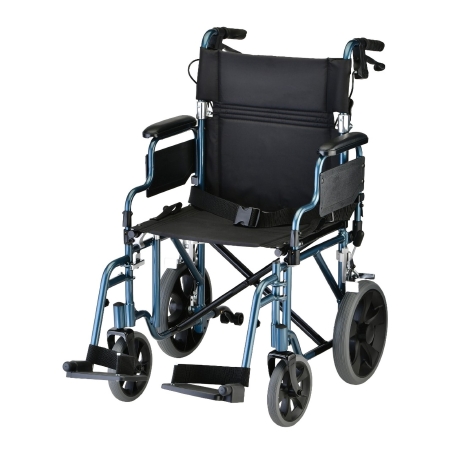
Transport Wheelchairs
Transport chairs are often used when a caregiver will push the patient and portability matters for medical appointments, outings, facility movement, or short-distance transportation.

Electric Hoyer Lifts
Electric Hoyer lifts may be considered when a patient requires significant transfer assistance and caregivers need powered lifting support for bed, chair, wheelchair, or commode transfers.

Hydraulic Patient Lift
Hydraulic patient lifts provide transfer assistance without powered operation and may be used when caregivers need lift support for dependent transfers in home care or facility settings.
Trapeze Bars
Medical trapeze bars may support repositioning, bed mobility, and assisted movement for patients who have enough upper-body ability to help with turning, sitting up, or shifting in bed.

Homecare Beds
Homecare beds may support positioning, caregiver access, transfers, pressure relief planning, and daily care when a standard bed no longer meets the patient’s medical or functional needs.

Medical Bed Mattresses
Medical bed mattresses are often reviewed when pressure relief, comfort, moisture, limited mobility, wound risk, or bariatric support must be considered as part of the care plan.
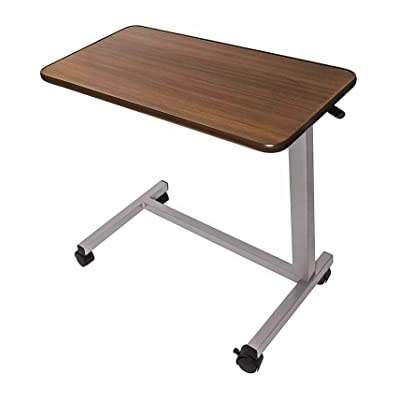
Overbed Tables
Overbed tables support bedside meals, personal items, reading, medication organization, hygiene supplies, and daily routines when patients spend significant time in bed or seated.

Geri Chairs & 3-Position Recliners
Geri chairs and medical recliners may support comfort, supervised seated positioning, rest, caregiver access, and daily routines for patients who need more support than a standard chair.
Need Help Matching Equipment to a Care Scenario?
When equipment decisions are unclear, start with the care goal: walking support, safer transfers, pressure relief, bedside care, seated mobility, or caregiver assistance. MedCare Mobility’s assessment tools and buying resources can help narrow the next step.
About the Author
Pinny Surkis is the Founder of MedCare Mobility, a national provider and authorized dealer of premium home medical equipment. He researches patient transfers, Hoyer lifts, patient lift slings, pressure relief mattresses, mobility solutions, and caregiver safety while developing educational resources that help patients, families, caregivers, and healthcare professionals make more informed equipment decisions.
Learn More About Pinny Surkis and His Research