2
Jun
How to Care for Elderly & Bedridden Patients at Home: Patient Care and Safety at Home, Transfers, Pressure Relief & Homecare Solutions
Creating a Safer Patient Room at Home
When families begin learning about patient care and safety at home, the bedroom is usually the first place that needs attention. This is where many of the most stressful moments happen: an elderly parent tries to get out of bed alone at night, a bedridden patient reaches too far for water or medication, a weak patient slides down in bed, or a caregiver strains their back trying to help someone sit up.
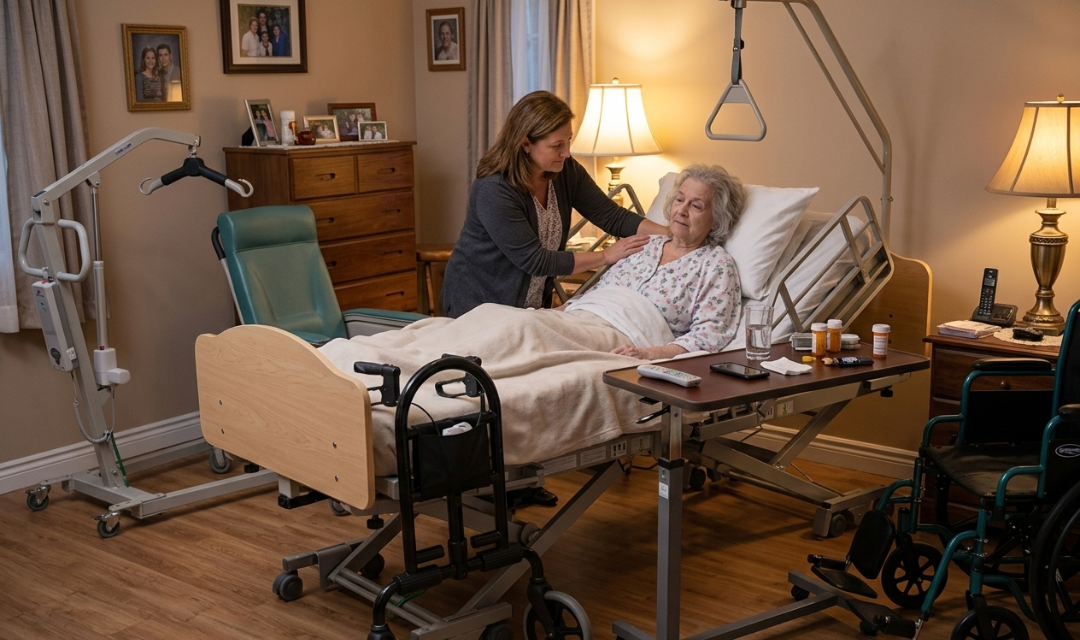
These situations are not small inconveniences. They are often the warning signs that the patient room needs better safety planning. A safer homecare room should help reduce falls, support easier movement, keep important items within reach, protect the patient during nighttime routines, and make daily care less overwhelming for the caregiver.
For families asking how to care for elderly patients at home or how to make caring for bedridden patients at home safer, the first step is often identifying the moments where the patient struggles most: getting up, repositioning, reaching items, sitting at bedside, transferring, or trying to move when no one is nearby.
Helpful Resources for Safer Care at Home
Use these printable checklists, planning tools, and detailed guides to review home safety, prepare for changing mobility needs, organize recovery, and make more informed homecare decisions.
Small room problems can become serious safety risks.
Many patient room hazards look harmless until the patient is weak, tired, dizzy, in pain, or trying to move without help.
What makes a patient room safer at home?
A safer homecare patient room usually includes clear walking space, stable bedside support, important items within easy reach, safer transfer points, good lighting, proper bed positioning, and helpful equipment such as a safety bed rail, bed handle, overbed table, adjustable mobility table, or trapeze bar when appropriate.
When getting out of bed becomes the most dangerous moment of the day
Many elderly and mobility-limited patients do not fall while walking across the room. They fall during the first few seconds of movement: sitting up, turning, placing feet on the floor, reaching for a walker, or trying to stand before their body is ready.
This is why homecare patient safety often begins at the bedside. A safety bed rail or bed handle can create a stable support point, while better room organization can reduce rushed, unstable movement.
When water, phones, remotes, or medication are just out of reach
One of the most overlooked safety issues in patient rooms is reaching. A patient may stretch too far for a cup, phone, glasses, tissues, remote, medication, or call button. That small reach can cause twisting, sliding, shoulder strain, or a fall from bed, recliner, or seated position.
An overbed table or adjustable mobility table can make daily care safer by keeping important items directly in front of the patient instead of off to the side where unsafe reaching happens.
When a patient struggles to sit up, shift position, or move in bed
A weak or bedridden patient may need help with simple movements that used to feel automatic: sitting up, pulling forward, shifting weight, or turning slightly. Without proper support, the patient may pull on a caregiver, twist their body, or slide into an unsafe position.
A trapeze bar can sometimes help patients with enough upper-body strength reposition more independently, while an adjustable bed can support safer positioning and easier caregiving.
When moving from bed to wheelchair, walker, or commode feels risky
Transfers are one of the most stressful parts of patient care and safety at home. A patient may feel nervous, a caregiver may feel physically overwhelmed, and both may rush because the bathroom, chair, or walker is only a few steps away.
A safer room setup gives the patient clear space, stable support, better positioning, and fewer obstacles between the bed and the next care location.
Patient room safety should be built around real daily movements.
Think through what the patient does every day, not just what the room looks like.
Helpful bedside safety products for this type of patient room problem
These products fit naturally into this section because they help with bedside stability, safer reaching, patient comfort, and daily homecare support.

Stander Prime Safety Bed Rail
A strong bedside support option for fall prevention, balance support, and safer movement in and out of bed.
View Product
Stander Prime Safety Bed Handle
A low-profile support handle that helps patients transfer, sit up, and keep essentials nearby with less reaching.
View Product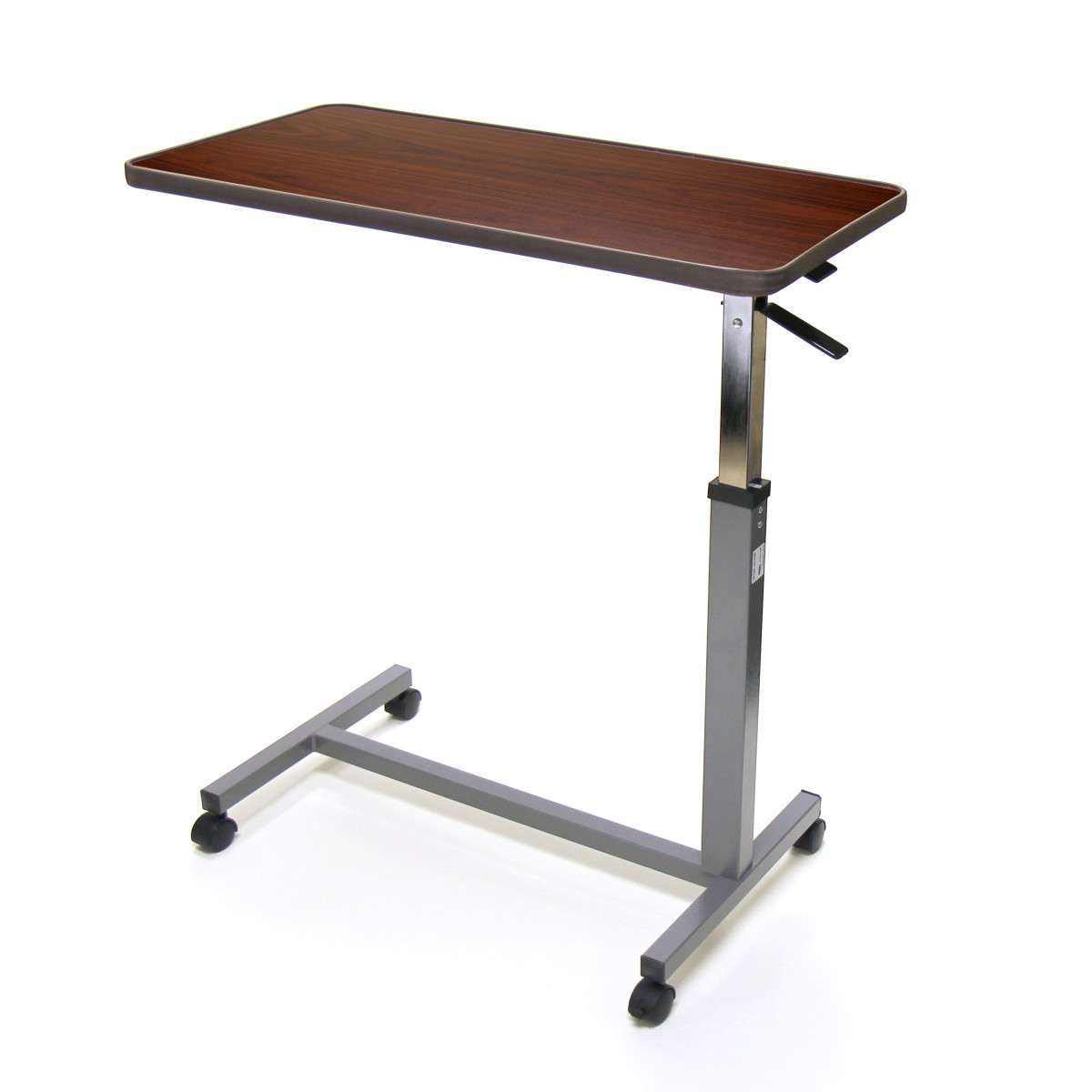
Invacare Tilt Top Overbed Table
Helps keep food, water, devices, reading materials, and care items easier to reach while in bed.
View Product
Stander Wonder Mobility Table
An adjustable table for seated use near a recliner, couch, or mobility chair to keep meals, devices, and essentials within easier reach.
View ProductHelping Bedridden Patients Sit Up, Reposition & Move More Comfortably
One of the hardest parts of caring for bedridden patients at home is watching someone slowly lose the ability to reposition themselves, sit up safely, or move comfortably in bed. What once felt automatic can suddenly become exhausting, painful, frustrating, and emotionally overwhelming for both the patient and the caregiver.
Many elderly or mobility-limited patients begin struggling with simple daily movements such as pulling themselves forward, adjusting their body position, reaching for support, turning in bed, or sitting upright long enough to eat, speak, or breathe more comfortably. These challenges can quickly affect independence, pressure relief, sleep quality, pain levels, caregiver strain, and overall patient care and safety at home.
Why do bedridden patients keep sliding down in bed?
Many bedridden or elderly patients slide downward because of weak core strength, poor positioning, limited arm strength, pain, fatigue, improper mattress positioning, or sitting angles that slowly pull the body downward over time. Adjustable beds, repositioning support, trapeze bars, and safer bed mobility strategies may help reduce constant sliding and repositioning strain.
When sitting up in bed starts feeling impossible
Many families searching for how to care for elderly patients at home are surprised by how quickly weakness can affect basic movement. Even small tasks such as lifting the shoulders, pulling forward, or adjusting posture can become physically exhausting for bedridden patients.
Patients may begin depending completely on caregivers to sit up, reposition, or stabilize themselves. This often creates emotional frustration, embarrassment, fear of falling, and significant physical strain on family members trying to help.
When patients start pulling on caregivers for movement support
One of the biggest hidden risks in homecare patient safety happens when caregivers become the primary lifting tool. Patients may grab arms, shoulders, clothing, or hands in an attempt to sit up or shift position.
Over time, this can lead to caregiver back pain, shoulder injuries, unsafe transfers, and accidental falls if balance is suddenly lost during repositioning.
When staying in one position becomes painful or dangerous
Patients who remain in the same position too long may begin experiencing shoulder pain, hip pressure, lower back discomfort, stiffness, skin redness, or circulation issues. Some patients avoid movement entirely because repositioning itself feels painful.
Proper positioning support is important for pressure relief, breathing comfort, posture support, safer sleep positioning, and reducing long-term strain on vulnerable areas of the body.
When patients stop feeling confident moving on their own
For many bedridden patients, the emotional impact of losing movement is just as difficult as the physical limitations themselves. Patients may feel nervous repositioning, afraid of slipping, or embarrassed constantly asking for help.
Improving bedside independence through safer positioning support, accessible bedside items, and stable movement assistance can help reduce anxiety while supporting more dignified daily care.
Helpful repositioning and bed mobility support solutions
These products help support safer bed mobility, repositioning, bedside independence, and more manageable daily movement for bedridden or mobility-limited patients.

Invacare Trapeze Bar
Helps some patients reposition, pull forward, and sit up more independently while reducing strain on caregivers.
View Product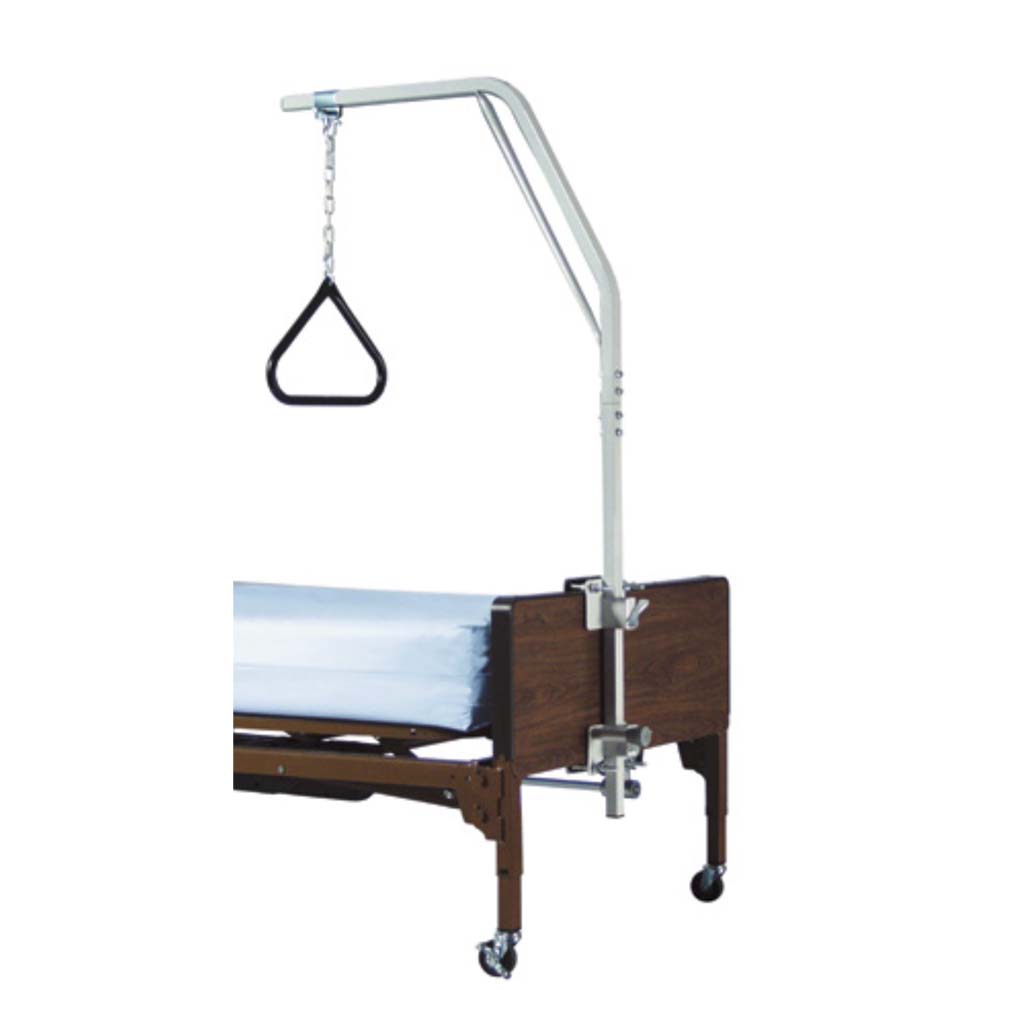
Lumex Versa-Helper Trapeze
Adjustable trapeze support designed to help patients change position in bed or assist with safer bed mobility.
View Product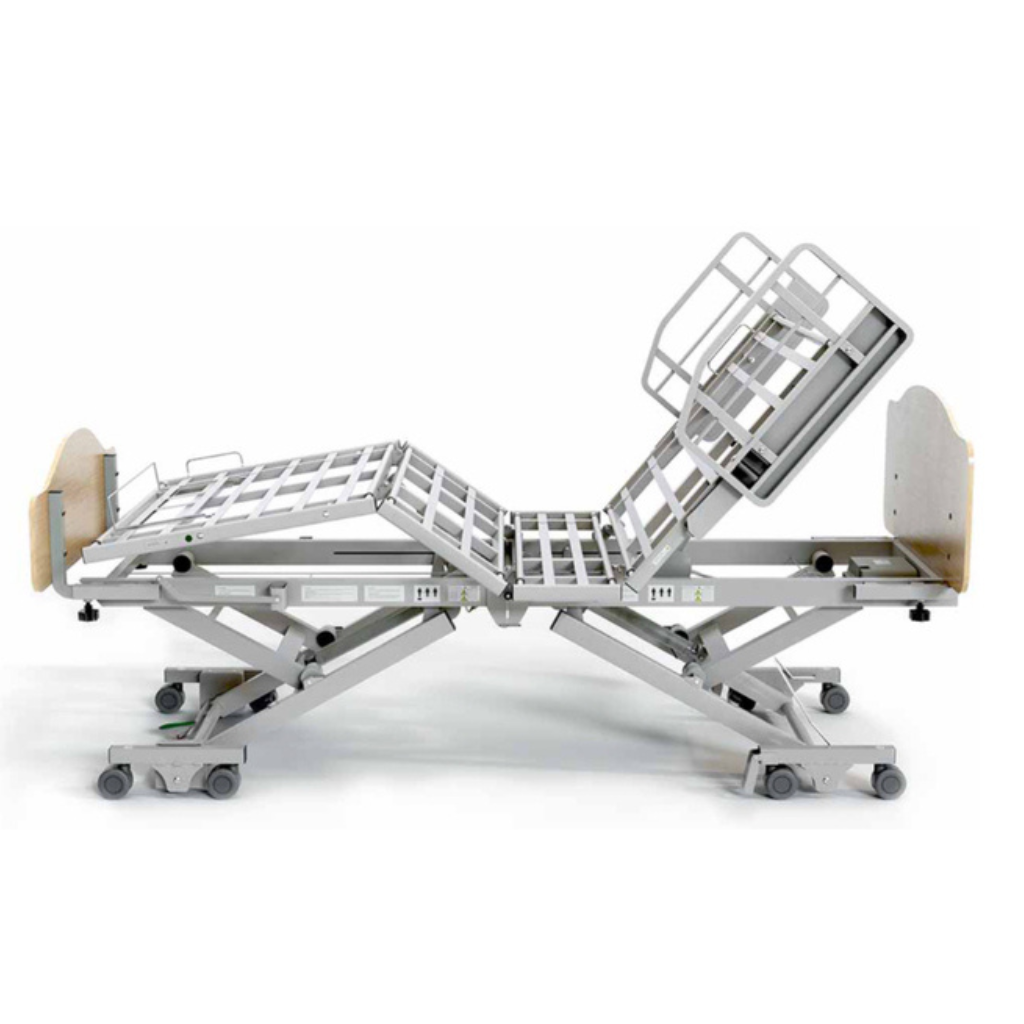
Adjustable Medical Beds
Adjustable positioning can support comfort, safer sitting angles, easier caregiving, and better bed mobility.
View All BedsPreventing Bed Sores, Pressure Injuries & Skin Breakdown
One of the most serious and overlooked problems in patient care and safety at home is pressure-related skin damage. Many families do not realize how quickly prolonged pressure, sweating, moisture, poor repositioning, or improper support surfaces can begin affecting the skin of bedridden or mobility-limited patients.
What often starts as mild redness or discomfort can eventually become painful pressure injuries, skin breakdown, open sores, infection risks, sleep disruption, and emotional distress for both patients and caregivers. This is why pressure relief, repositioning, and proper support surfaces are extremely important when caring for bedridden patients at home.
How often should a bedridden patient be repositioned?
Many healthcare providers recommend repositioning bedridden patients approximately every two hours depending on mobility level, skin condition, circulation, moisture exposure, medical conditions, and physician recommendations. Patients who remain in one position too long may face increased risks of pressure injuries, discomfort, and skin breakdown.
What type of mattress helps prevent bed sores?
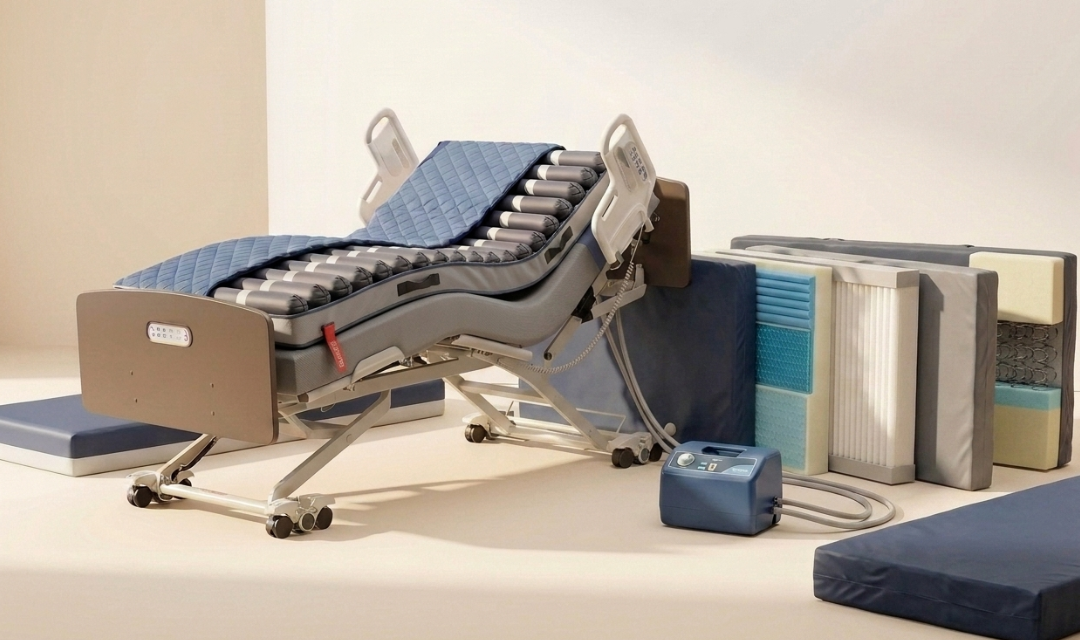
Pressure redistribution foam mattresses, alternating pressure mattresses, and low air loss mattress systems are commonly used to help reduce pressure buildup, improve airflow, manage moisture, and support safer long-term positioning for bedridden patients. The best option depends on mobility level, skin condition, risk factors, and overall care needs.
When staying in one position too long starts damaging the skin
Patients who spend extended time sitting or lying in the same position may begin developing pressure points around the hips, tailbone, shoulders, heels, elbows, or lower back. Reduced movement limits circulation and places continuous stress on vulnerable areas of skin and tissue.
This is why repositioning support, proper mattresses, and pressure redistribution surfaces play such an important role in homecare patient safety.
When heat and moisture begin breaking down the skin
Moisture is one of the biggest hidden risks for bedridden patients. Sweat, trapped heat, incontinence, humidity, or poor airflow can weaken the skin and increase friction against bedding or cushions.
Low air loss mattresses are often used to help improve airflow and moisture management while supporting cooler and drier patient positioning.
When seated pressure becomes painful or dangerous
Many patients spend long hours sitting in wheelchairs, recliners, or transport chairs. Without proper pressure redistribution support, seated pressure can create discomfort, skin irritation, posture problems, and long-term pressure injury risks.
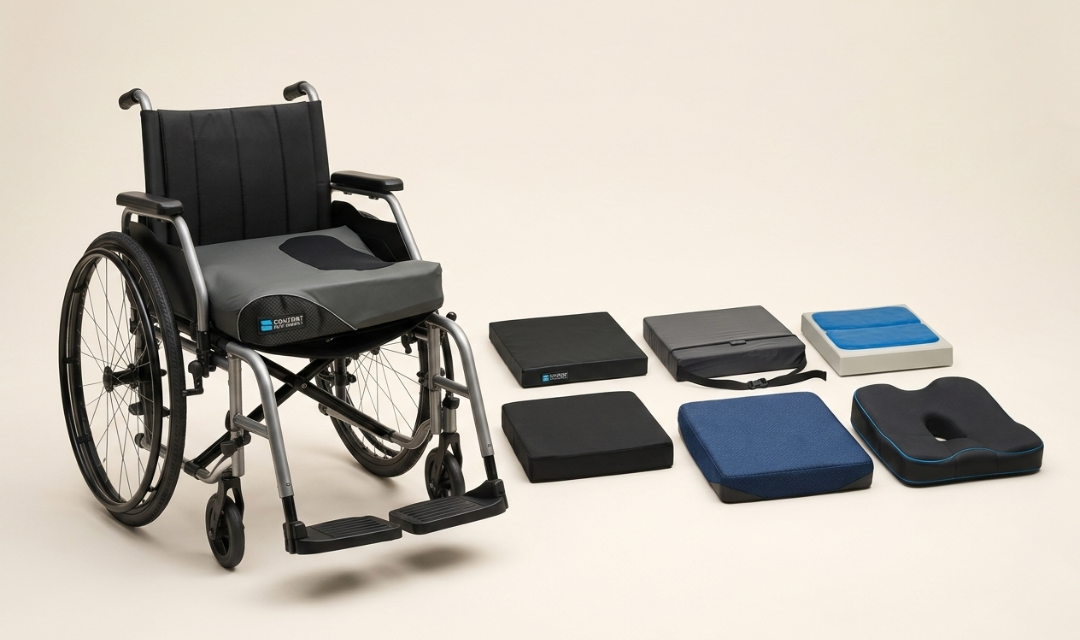
Wheelchair cushions are commonly used to improve pressure redistribution, comfort, posture alignment, and sitting tolerance for mobility-limited individuals.
When movement becomes difficult and pressure keeps building
Patients who struggle repositioning themselves are often at much higher risk for pressure injuries because pressure remains concentrated on the same areas for long periods of time.
Difficulty repositioning may happen because of weakness, pain, fear of falling, poor bed mobility, limited arm strength, or caregiver exhaustion.
Pressure relief and skin protection support solutions
These support surfaces and positioning products are commonly used to help improve pressure redistribution, airflow, moisture management, and long-term comfort for bedridden or mobility-limited patients.

Protekt® Aire 3000 Low Air Loss Mattress
Alternating pressure and low air loss support system designed to help improve airflow and pressure redistribution.
View Product
Invacare microAIR® MA600 Mattress
Low air loss mattress system with pump support for moisture management and pressure redistribution.
View Product
Protekt® 300 Foam Mattress
Pressure redistribution foam mattress designed to improve comfort and reduce pressure concentration during long-term bed rest.
View Product
Pressure Relief Wheelchair Cushions
Pressure redistribution cushions designed to support safer sitting, comfort, posture alignment, and reduced seated pressure.
View CushionsSafe Patient Transfers Without Injuring the Caregiver
One of the most physically and emotionally exhausting parts of patient care and safety at home is transferring a weak or bedridden patient from one place to another safely. For many caregivers, bathroom transfers, wheelchair transfers, bed transfers, and repositioning assistance become daily moments filled with fear, instability, physical strain, and anxiety about falling.
Families often try to “manage” transfers manually for too long before realizing how dangerous they can become. Patients may suddenly lose balance, slip unexpectedly, panic mid-transfer, or become too weak to support their own body weight. At the same time, caregivers commonly develop back pain, shoulder injuries, fatigue, and emotional burnout from repeatedly lifting or catching patients during unstable movements.
When should a patient lift be used at home?
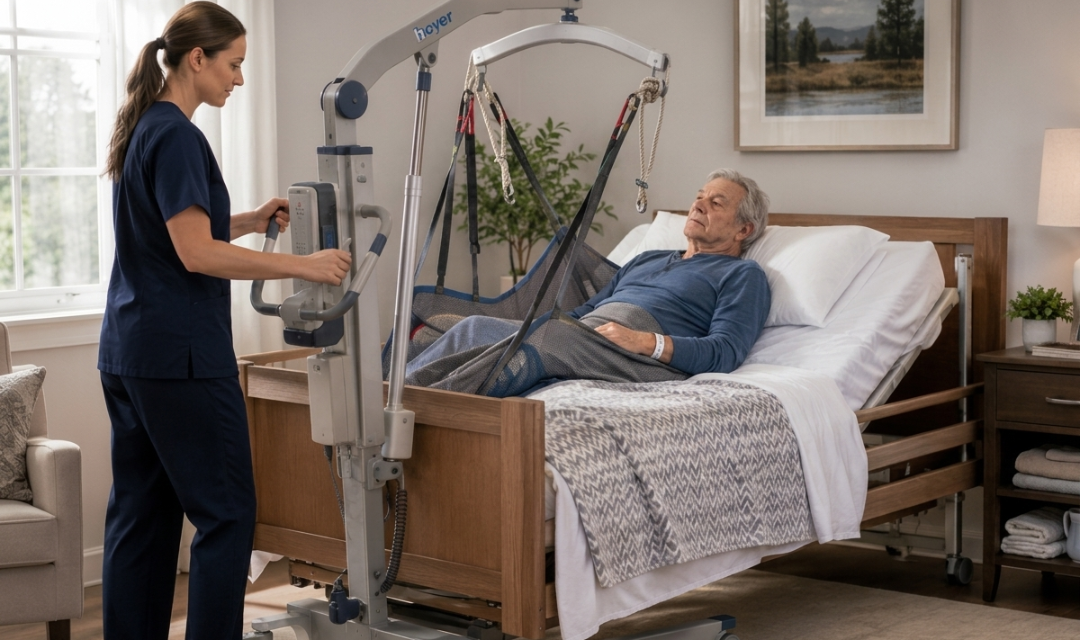
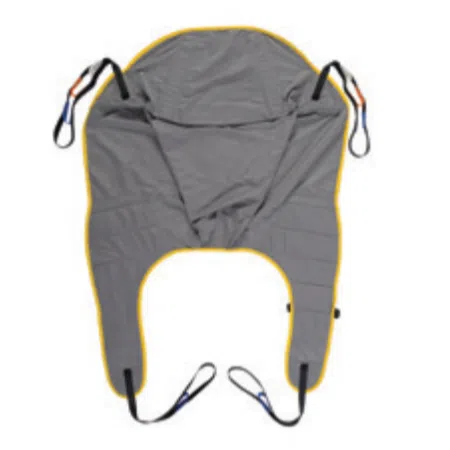
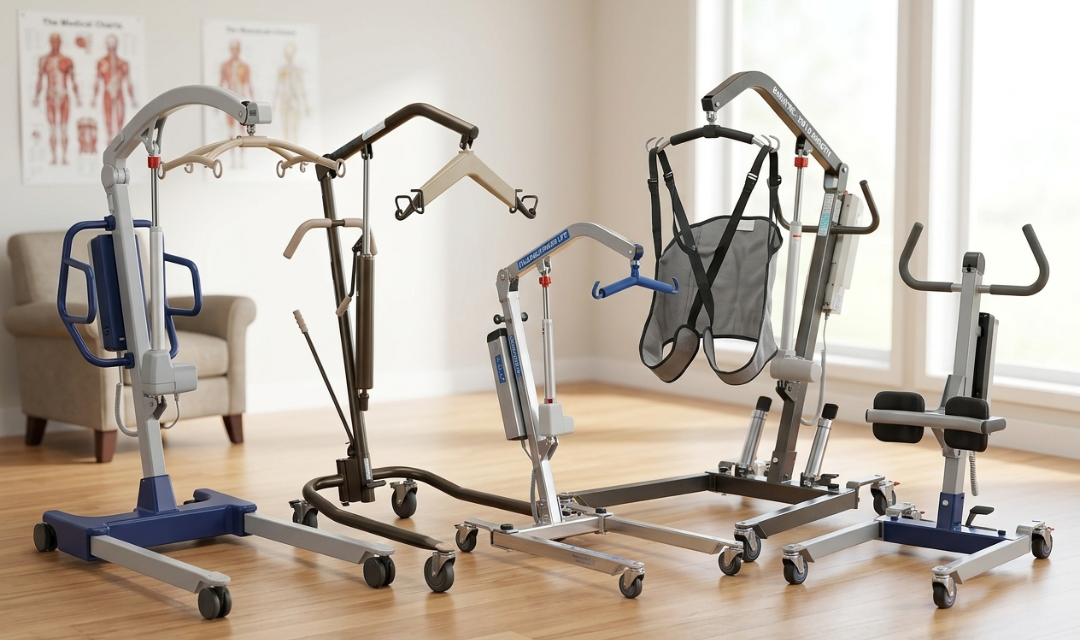
A patient lift may become necessary when transfers begin requiring significant physical lifting, when the patient becomes unstable during standing, when falls become more likely, or when caregivers begin experiencing pain or physical strain during transfers. Electric Hoyer lifts, hydraulic lifts, transfer devices, and slings can help improve transfer safety depending on the patient's mobility level and care needs.
What is the safest way to transfer a bedridden patient?
The safest transfer method depends on the patient's strength, balance, weight-bearing ability, and medical condition. Patients who cannot safely stand or pivot often require patient lift equipment and properly fitted slings to reduce fall risks and caregiver injuries. Trying to manually lift weak patients without proper support can become dangerous very quickly.
When lifting patients starts hurting the caregiver
Many family caregivers quietly live with daily back pain because they constantly help patients sit up, pivot, stand, or transfer manually. Over time, repetitive lifting and unstable movement can create serious strain on the lower back, shoulders, knees, and wrists.
One sudden slip during a transfer can injure both the patient and caregiver simultaneously. This is why safer transfer support systems become extremely important in long-term homecare.
When toilet and bathroom transfers become unsafe
Bathrooms are one of the most dangerous areas for weak or mobility-limited patients. Wet floors, narrow spaces, unstable standing, fatigue, and urgency can create major fall risks during transfers.
Many caregivers become extremely anxious helping patients onto toilets, commodes, or shower chairs because patients often lose balance during turning or lowering movements.
When patients become afraid of falling during transfers
Many bedridden or elderly patients begin feeling intense anxiety before transfers because they know their balance is weak or unpredictable. Some patients grip caregivers tightly, freeze mid-transfer, or panic while standing because they no longer trust their own stability.
This emotional fear can actually increase fall risks because rushed or panicked movement creates instability.
When patients suddenly lose balance during movement
One of the most frightening situations in homecare happens when a patient suddenly slips during a transfer. Weak legs, fatigue, dizziness, poor footwear, pain, or unstable pivoting can cause rapid loss of balance.
Many caregivers instinctively try catching the patient with their own body, often causing injury to themselves while still being unable to fully stop the fall.
Helpful Transfer Safety Solutions
When transfers become unsafe, these equipment options can help reduce caregiver lifting strain and improve patient stability.



The U.S. Occupational Safety and Health Administration (OSHA) explains how patient lifting and repositioning injuries commonly affect caregivers and healthcare workers, while emphasizing the importance of safer patient handling practices and lifting equipment.
OSHA Safe Patient Handling Resource
Helping Elderly Patients Walk, Sit & Move More Comfortably
For many elderly patients, one of the hardest emotional changes is slowly losing confidence while walking, standing, or moving independently. What once felt normal can suddenly become exhausting, unstable, painful, or frightening. Even short distances may begin feeling overwhelming because of weakness, fatigue, balance problems, surgery recovery, joint pain, or fear of falling.
Many families searching for how to care for elderly patients at home are not simply looking for mobility equipment. They are looking for ways to help their loved one feel safer, more stable, less afraid, and more comfortable during daily movement. This includes walking to the bathroom, recovering after surgery, standing from chairs, moving around the home, and sitting comfortably for longer periods of time.
Why do elderly patients suddenly become afraid of walking?
Many elderly patients begin fearing movement after experiencing weakness, instability, dizziness, surgery recovery, previous falls, balance problems, joint pain, or fatigue. Even one unstable moment can create major anxiety around walking independently, especially when patients no longer trust their balance or endurance.
What helps elderly patients walk more safely at home?
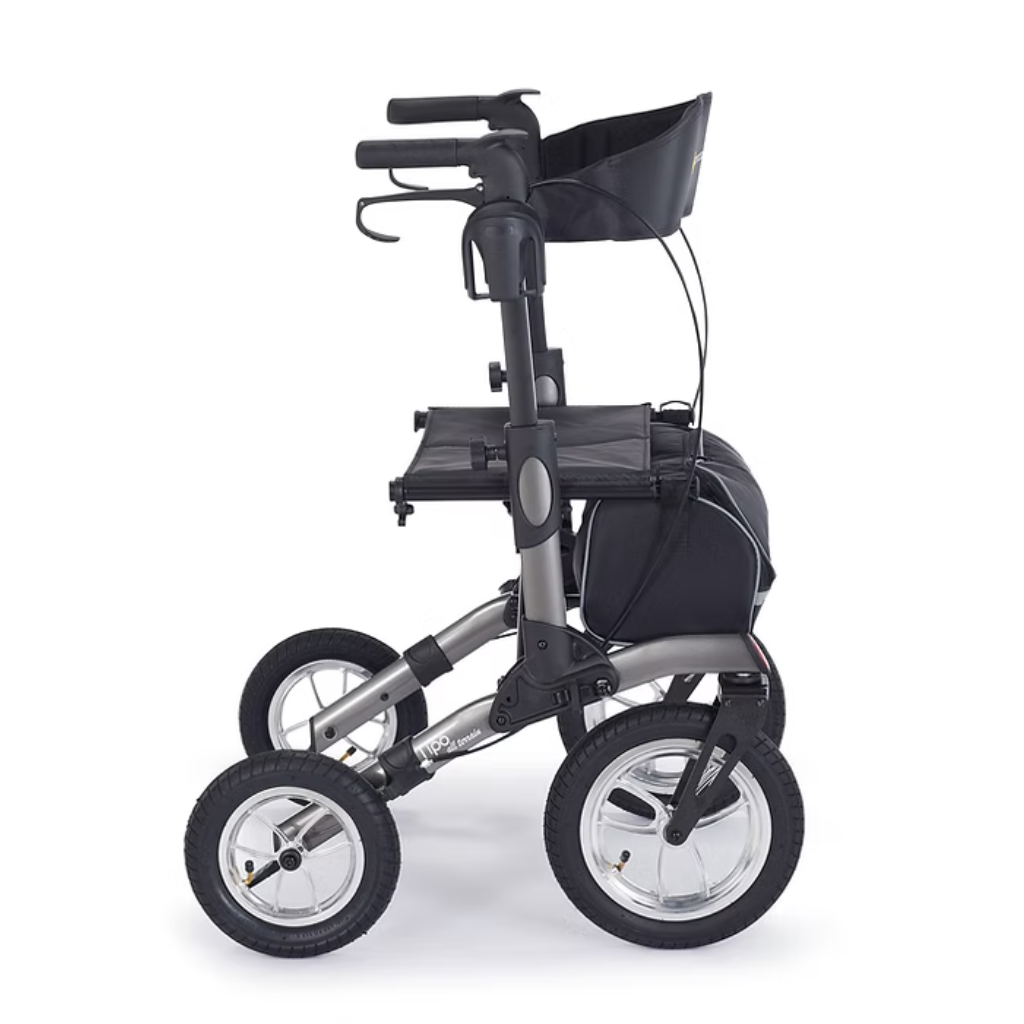
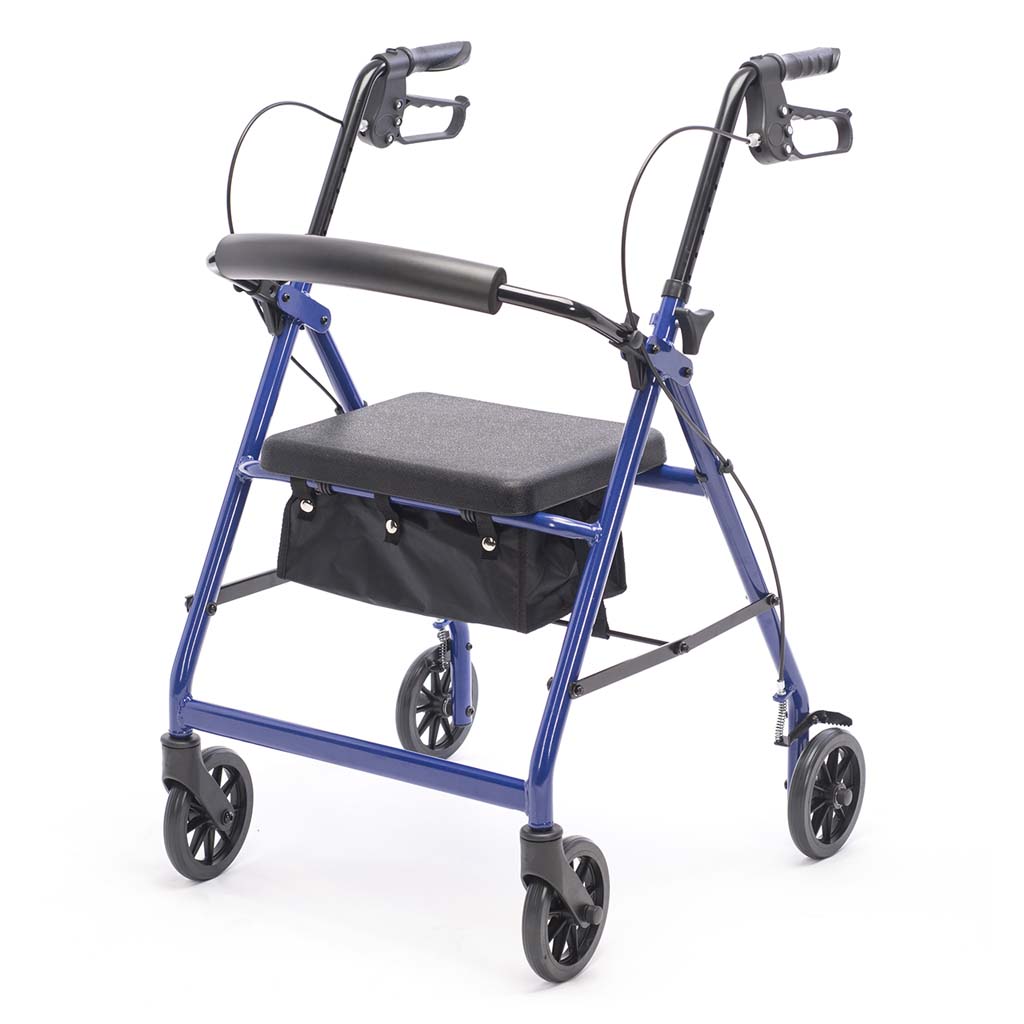
Walkers, rollators, transport chairs, pressure-relief seating support, and safer home layouts may help improve mobility and stability depending on the patient’s condition. The best mobility support depends on strength level, endurance, balance, posture, and how much walking assistance is needed throughout the day.
When walking short distances becomes exhausting
Many elderly patients begin tiring much faster than they used to, especially after surgery, illness, hospitalization, or long periods of inactivity. Walking across the room, standing too long, or moving through the house may suddenly require frequent stopping and rest breaks.
This often leads patients to avoid movement altogether, which can gradually worsen weakness, balance, endurance, and confidence over time.
When instability starts affecting confidence
Fear of falling is one of the biggest reasons elderly patients stop moving independently. Patients may begin holding onto walls, furniture, counters, or caregivers because they no longer trust their balance or coordination.
Unfortunately, avoiding movement often increases weakness and instability even further.
When movement feels difficult after hospitalization or surgery
Many elderly patients experience major mobility decline after surgery, rehabilitation stays, or hospital discharge. Weakness, stiffness, pain, and fear can make walking feel extremely difficult even when recovery is progressing normally.
Patients recovering from hip surgery, knee replacement, illness, or prolonged bed rest often need gradual mobility support while rebuilding endurance and confidence.
When sitting becomes uncomfortable for long periods
Many elderly or mobility-limited patients spend extended time sitting in recliners, transport chairs, wheelchairs, or kitchen chairs throughout the day. Over time, this may create tailbone pain, pressure discomfort, posture problems, numbness, or skin irritation.
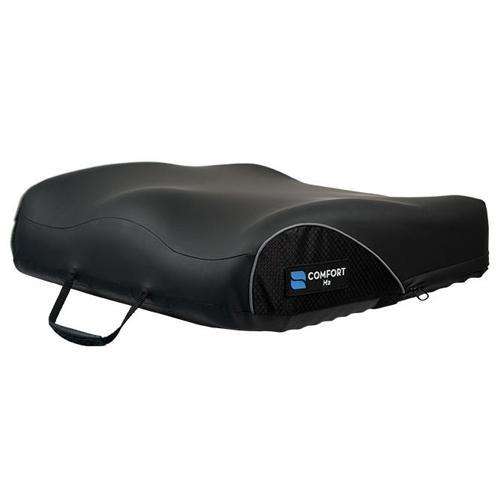
Pressure-relief cushions may help improve comfort, support posture alignment, and reduce prolonged sitting discomfort.
Mobility and comfort support solutions
These mobility support products may help improve walking stability, sitting comfort, endurance, confidence, and daily movement safety for elderly or mobility-limited patients.
Improving Daily Comfort for Elderly & Bedridden Patients at Home
One of the most overlooked parts of patient care and safety at home is daily comfort itself. Families often focus so heavily on medications, appointments, transfers, and mobility that they forget how deeply everyday discomfort can affect sleep, emotional well-being, appetite, independence, energy levels, and overall quality of life.
For many elderly or bedridden patients, discomfort is not always caused by one major issue. Instead, it slowly builds throughout the day through poor positioning, pressure buildup, difficulty reaching personal items, unstable sitting, interrupted sleep, fatigue, muscle stiffness, overheating, anxiety, or struggling to perform simple daily tasks comfortably.
Why are bedridden patients often uncomfortable even when resting?
Many bedridden patients experience ongoing discomfort because remaining in one position too long places pressure on the body, limits circulation, increases stiffness, creates heat buildup, and makes even small movements more difficult. Sleep quality, positioning support, pressure redistribution, and daily mobility all play important roles in long-term comfort.
What helps elderly patients feel more comfortable at home?
Comfort often improves when patients have better positioning support, safer movement assistance, easier access to personal items, pressure-relief support surfaces, stable seating, proper mobility support, and a calmer environment that reduces physical strain throughout the day.
When discomfort keeps interrupting sleep and recovery
Many elderly patients struggle sleeping comfortably because of pressure points, stiffness, poor positioning, pain, overheating, or difficulty changing positions independently during the night.
Interrupted sleep can gradually affect mood, energy, healing, mobility, appetite, and overall emotional well-being.
When simple daily tasks become frustrating
One of the biggest emotional frustrations for mobility-limited patients is constantly depending on others for small everyday items such as water, phones, medications, books, meals, remotes, tissues, or personal belongings.
Improving bedside accessibility can help patients feel more independent and less emotionally overwhelmed throughout the day.
When sitting too long starts becoming painful
Patients who spend long hours sitting in wheelchairs, recliners, or transport chairs often develop pressure discomfort, tailbone pain, posture fatigue, stiffness, or numbness over time.
Sitting discomfort can reduce social interaction, movement confidence, and willingness to remain active throughout the day.
When physical limitations begin affecting emotional well-being
Many bedridden or elderly patients quietly experience emotional exhaustion from constantly needing assistance, struggling with mobility, losing independence, or feeling physically uncomfortable throughout the day.
Simple improvements in comfort, safety, mobility, and independence often help reduce anxiety while improving dignity and emotional well-being.
Small daily comfort improvements that often make the biggest difference
Many families search online for major solutions while overlooking smaller daily adjustments that can dramatically improve overall comfort and quality of life for elderly or bedridden patients.
Helpful Buying Guides for Safer Homecare Decisions
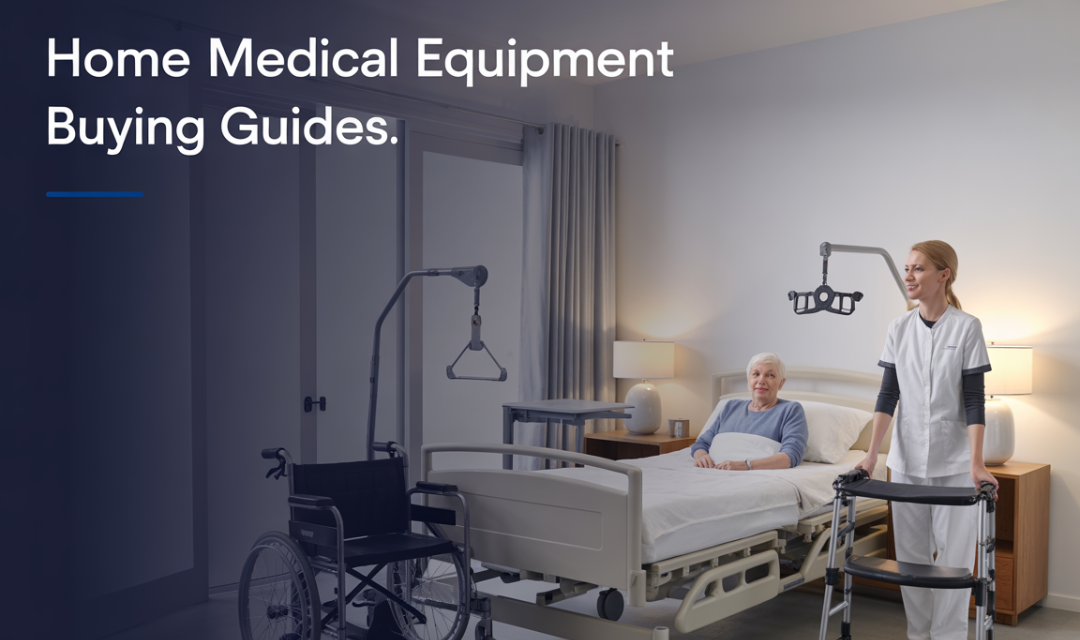
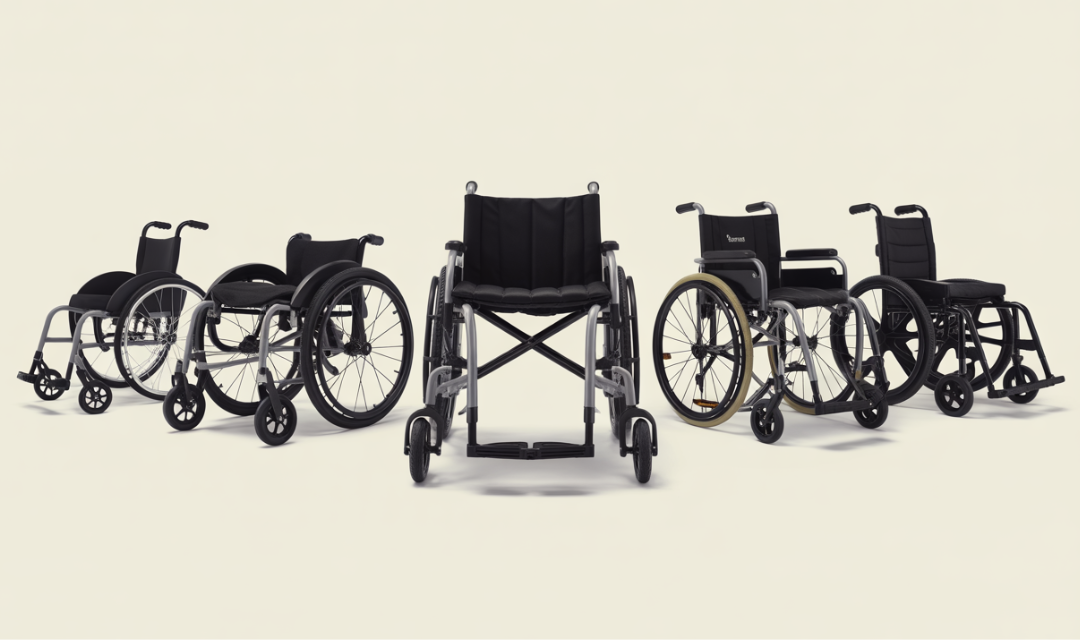
Explore focused MedCare Mobility resources that explain mattresses, wheelchair cushions, patient lifts, wheelchairs, and home medical equipment choices in greater detail.
Warning Signs Families Should Never Ignore at Home
In patient care and safety at home, the biggest problems often do not begin as emergencies. They begin as small changes: a patient hesitates before standing, avoids walking, keeps sliding down in bed, develops skin redness, becomes fearful during transfers, or needs more help with simple daily movement than they did a few weeks ago.
Families often search for answers only after something scary happens. But the earlier these warning signs are noticed, the easier it may be to improve the room setup, add safer support, reduce caregiver strain, and protect the patient from preventable falls, pressure injuries, transfer accidents, and daily discomfort.
Caregiver Warning Signs Dashboard
Use these signs to quickly identify when daily care may need more support.
Sudden difficulty standing
The patient rocks back and forth, needs several attempts, or pulls heavily on furniture before standing.
New fear during transfers
The patient freezes, grips the caregiver tightly, panics near the bathroom, or refuses to move without help.
Skin redness that keeps returning
Redness near the tailbone, hips, heels, shoulders, or thighs may signal pressure buildup.
Caregiver pain after helping
If transfers leave the caregiver with back, shoulder, or wrist pain, the care routine may be unsafe.
Walking distance is shrinking
The patient suddenly avoids rooms, sits down often, or becomes tired after only a few steps.
What the Warning Sign May Mean
A quick “if this happens, look deeper” homecare safety map.
Leg weakness, unstable transfers, fatigue, pain, or poor balance support.
Transfer safety, walking support, lift support, and clearer movement pathways.
Poor positioning, weakness, limited bed mobility, or wrong sitting angle.
Bed mobility, repositioning support, adjustable beds, and caregiver-safe movement.
Pressure buildup, moisture, friction, long sitting, or limited repositioning.
Pressure relief, mattress support, wheelchair cushions, and repositioning routines.
The patient now needs more support than one person can safely provide manually.
Safer lifting, transfer equipment, room setup, and reducing repeated strain.
Questions families should ask when something starts to feel unsafe
Fear often follows weakness, a near-fall, balance loss, pain, or loss of confidence.
This may be related to poor positioning, weakness, fatigue, or limited bed mobility.
When transfers require heavy lifting, feel unsafe, or cause caregiver pain, lift support may be needed.
Persistent redness can be an early sign of pressure risk and should be taken seriously.
Care needs often change gradually as mobility, strength, comfort, or safety declines.
Unsafe transfers, poor support, cluttered pathways, weak mobility, and limited pressure relief all matter.
The CDC explains that falls can threaten older adults’ health and independence, but they are not an unavoidable part of aging. Its older adult fall prevention resource outlines proven ways to reduce fall risk and protect independence.
CDC Older Adult Fall Prevention Resource
Quick Answers for Safer Homecare Decisions
Use this answer hub to connect common homecare problems with the type of support families often need: safer beds, pressure relief mattresses, patient lifts, slings, walkers, rollators, wheelchair cushions, transfer chairs, bedside tables, and patient room safety equipment.
What equipment helps an elderly person get out of bed safely?
For elderly patients who struggle getting out of bed, the right support depends on balance, strength, bed height, and fall risk. Common solutions may include a safety bed rail, bed handle, low hospital bed, adjustable medical bed, walker nearby, or caregiver-assisted transfer plan.
What mattress is best for a bedridden patient at home?
A bedridden patient usually needs a mattress that supports pressure redistribution, comfort, moisture control, and long-term positioning. Foam hospital bed mattresses may work for lower-risk patients, while alternating pressure or low air loss mattresses may be better for patients with higher pressure sore risk.
What helps prevent bed sores for someone who stays in bed all day?
Bed sore prevention usually requires more than one product. Families should focus on repositioning, pressure relief mattresses, moisture control, skin checks, heel protection, clean bedding, and reducing friction when moving the patient.
When should a family consider a Hoyer lift or patient lift?
A Hoyer lift or patient lift should be considered when transfers require heavy physical lifting, when the patient cannot safely stand or pivot, when bathroom transfers become unsafe, or when caregivers begin experiencing back pain from moving the patient manually.
What is the safest way to transfer someone from bed to wheelchair?
The safest transfer depends on whether the patient can stand, bear weight, follow directions, and maintain balance. If the patient cannot stand safely, a patient lift and properly fitted sling may be safer than manual lifting. If the patient can stand with help, a walker, gait support, clear pathway, and stable seating position may be used with caregiver guidance.
What helps elderly patients walk more safely at home?
Elderly patients who feel weak, tired, or unsteady may benefit from a walker, rollator, transport chair, safer footwear, clear walking paths, better lighting, and seating areas for rest breaks. The right mobility support depends on balance, endurance, strength, and whether the patient needs a seat while walking.
What equipment helps with bathroom transfers for elderly patients?
Bathroom transfers are often high-risk because of urgency, narrow space, wet floors, turning, lowering, and standing from toilets. Depending on the patient’s strength, families may need a patient lift, transfer chair, commode, supportive sling, grab support, or safer transfer routine.
What helps a wheelchair user sit longer without pain?
Wheelchair users who sit for long periods may need a pressure relief cushion, better posture support, proper wheelchair fit, repositioning breaks, and skin checks. Foam, gel, memory foam, and air cushions each support different comfort and pressure relief needs.
What should be in a safe homecare patient room?
A safer patient room usually includes clear walking space, good lighting, stable bedside support, easy access to water and personal items, proper bed height, pressure relief support, mobility equipment nearby, and enough room for caregivers to assist without twisting or lifting awkwardly.
What home medical equipment is most helpful after surgery or hospital discharge?
After surgery or hospital discharge, many patients need temporary or long-term support for safer walking, resting, transferring, bathing, sitting, and sleeping. Common equipment may include a walker, rollator, transport chair, hospital bed, pressure relief mattress, overbed table, commode, or patient lift depending on recovery needs.
Final Homecare Safety Reminder
The best homecare setup is not only about buying one product. It is about matching the patient’s real daily struggles to the right support: safer transfers, better pressure relief, easier mobility, bedside access, fall prevention, caregiver protection, and comfort that helps the patient live with more dignity at home.
About the Author
Pinny Surkis is the Founder of MedCare Mobility, a national provider and authorized dealer of premium home medical equipment. He researches patient transfers, Hoyer lifts, patient lift slings, pressure relief mattresses, mobility solutions, and caregiver safety while developing educational resources that help patients, families, caregivers, and healthcare professionals make more informed equipment decisions.
Learn More About Pinny Surkis and His Research