Product
Type
Seat Sizes
Weight and Capacity
Best Use
Armrests
Footrests and Legrests
Wheels and Key Features
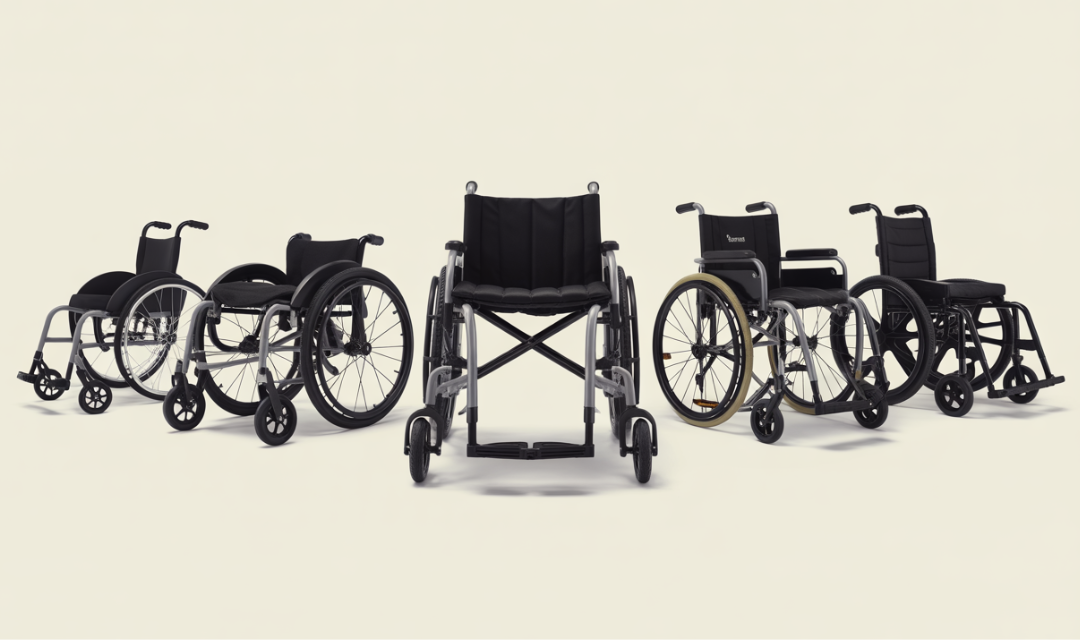
Standard lightweight manual wheelchair
Common adult sizes including 16 inch, 18 inch, and 20 inch
Standard adult wheelchair capacity
Basic daily mobility, short-term recovery, home care, hospitals, nursing homes, and budget-conscious buyers
Desk-length or fixed-style arms depending on configuration
Swing-away footrests; elevating options may be available
Standard rear wheels and casters; dependable Invacare everyday chair
Adjustable lightweight manual wheelchair
16 inch, 18 inch, 20 inch; seat depth adjusts 16 inch to 18 inch
34 to 36 lbs; 300 lb capacity
Adults needing better fit, rehab users, daily mobility, and more adjustability than a basic chair
Flip-back, removable, height-adjustable padded arms
Tool-free adjustable swing-away footrests
Quick-release rear wheels; adjustable seat depth; strong adjustable everyday use
High-performance K4 adjustable wheelchair
16 inch, 18 inch, 20 inch, 22 inch; seat depth adjusts 16 inch to 18 inch
34 to 35 lbs; 300 to 350 lb capacity
Long-term users, custom fit needs, rehab, advanced positioning, and stronger adjustability
Height-adjustable, flip-back, removable padded arms
Swing-away footrests or elevating legrests
24 inch quick-release rear wheels; adjustable back angle, back height, caster forks, seat depth, and anti-tippers
Everyday lightweight regular wheelchair
16 inch, 18 inch, 20 inch; seat depth 16 inch or 18 inch
35 lbs without footrests; up to 300 lb capacity
Seniors, facilities, home care, everyday mobility, and durable basic support
Desk-length arms
Swing-away footrests
24 inch rear wheels; 8 inch front casters; durable regular wheelchair for daily use
Feather light folding travel wheelchair
18 inch seat width; 16 inch depth
24 lbs total; 13 lb frame; 250 lb capacity
Travel, caregivers, car transport, appointments, errands, and short-to-moderate daily use
Fixed padded armrests
Swing-away removable footrests with adjustable footplates
22 inch flat-free rear tires; 6 inch solid casters; very easy to lift and transport
Advanced ergonomic folding wheelchair
16 inch x 17 inch, 18 inch x 17 inch
29 lbs; 22 lbs without footrests; 250 lb capacity
Long-term users, posture support, advanced comfort, daily self-propelling, and performance upgrades
Flip-back height-adjustable ergonomic armrests
Swing-in or swing-away removable footrests
24 inch quick-release rear wheels; Spinergy upgrades; S-Shape seating; optional Frog Legs suspension
Hemi-height standard manual wheelchair
16 inch, 18 inch, 20 inch; 16 inch depth
42 to 44 lbs; 300 to 350 lb capacity
Stroke recovery, foot propulsion, one-sided weakness, rehab, seniors, and facilities
Removable padded arms; desk or full length options
Swing-away footrests or elevating legrests
24 inch urethane rear tires; 8 inch adjustable front casters; dual axle hemi-height adjustment
K5-style adjustable ultra lightweight wheelchair
16 inch x 17 inch, 18 inch x 17 inch
28 lbs without footrests; 250 lb capacity
Active users, rehab, travel, adjustable daily mobility, and easier transport
Flip-back height-adjustable arms, 9 inch to 12 inch
Swing-away removable footrests with adjustable footplates
24 inch flat-free rear wheels; 7 inch front casters; adjustable axle, seat height, arms, and folding backrest
Ultra lightweight folding travel chair
Common adult seat sizes
Ultra lightweight range; standard adult capacity
Travel, caregivers, vehicle loading, portable use, and users wanting quick-release wheels
Supportive standard arms
Swing-away or removable footrests
Quick-release rear wheels; portability upgrade over basic featherweight chairs
Ultra lightweight self-propelled ergonomic chair
16 inch x 17 inch, 18 inch x 17 inch
28 lbs with footrest; 250 lb capacity
Independent users, daily self-propelling, ergonomic support, travel, and lightweight mobility
Fixed ergonomic armrests
Patented swing-away non-removable footrest
24 inch flat-free rear wheels; 7 inch front casters; AEIGIS cushion, breathable mesh, ergonomic handrim
Reliable lightweight everyday wheelchair
Common adult seat widths
Standard adult wheelchair range
Basic home use, facility use, short-term recovery, seniors, and budget-conscious buyers
Standard supportive arms
Swing-away footrests depending on setup
Standard rear wheels and casters; practical basic Karman manual wheelchair
Custom active performance wheelchair
14 inch x 15 inch, 16 inch x 16 inch, 16 inch x 18 inch, 18 inch x 16 inch, 18 inch x 18 inch
15.4 lb frame; 26 to 30 lbs configured; 275 lb capacity
Active users, cerebral palsy, spinal cord injury, MS, independent mobility, and custom performance needs
Flip-back or removable/no-arm active setup
One-piece foldable footplate; height and angle adjustable
24 inch pneumatic rear wheels; custom center of gravity, seat heights, back angle, casters, Frog Legs option
Convertible wheelchair and transport chair
16 inch, 18 inch, 20 inch; 16 inch depth
31.5 to 33.5 lbs wheelchair mode; 23 to 25 lbs transport mode; 275 lb capacity
Elderly users, seniors, caregivers, home care, assisted living, facilities, and changing mobility needs
Padded desk-length removable arms
Swing-away removable footrests with heel loops
24 inch quick-release rear wheels; converts from self-propelled wheelchair to caregiver transport chair
Ultra lightweight ergonomic manual wheelchair
16 inch, 18 inch, 20 inch; 17 inch depth
25 lbs without footrests; 250 lb capacity
Daily users, seniors, travel, long-term comfort, ergonomic support, and caregivers
Fixed ergonomic armrests
Swing-in or swing-away removable footrests; elevating option may be available
24 inch flat-free rear wheels; 7 inch front casters; S-Shape seating, AEIGIS cushion, folding seat and back
Dual axle hospital wheelchair
16 inch, 18 inch, 20 inch; depth 16 inch to 18 inch
35 to 38 lbs; 300 lb capacity
Hospitals, nursing homes, rehab, facilities, home care, and users needing leg elevation options
Flip-back removable padded desk arms; fixed or adjustable depending on size
Swing-away footrests or elevating legrests
Composite mag wheels; 8 inch front casters; dual axle; facility-grade McKesson reliability
Lightweight aluminum folding manual wheelchair
16 inch, 18 inch; 16 inch depth
30 lbs without riggings; 250 lb capacity
Home care, caregivers, hospitals, facilities, short-term recovery, and value-focused buyers
Padded flip-back desk arms with side panels
Swing-away detachable footrests; elevating models available
24 inch mag rear wheels; 8 inch polyurethane casters; affordable K0004 aluminum folding wheelchair
Fully adjustable folding performance wheelchair
16 inch x 16 inch, 16 inch x 18 inch, 18 inch x 16 inch, 18 inch x 18 inch, 20 inch x 18 inch; Flexx Tall options
28.5 lbs without riggings; 286 lb capacity
Active users, cerebral palsy positioning, stroke recovery, neurological conditions, and long-term mobility
Flip-back adjustable arms; optional extra-wide hemi concave pivoting pads
70 degree swing-in or swing-out footrests, or elevating legrests with calf support
24 inch quick-release rear wheels; multiple caster options; center of gravity, back angle, Frog Legs suspension