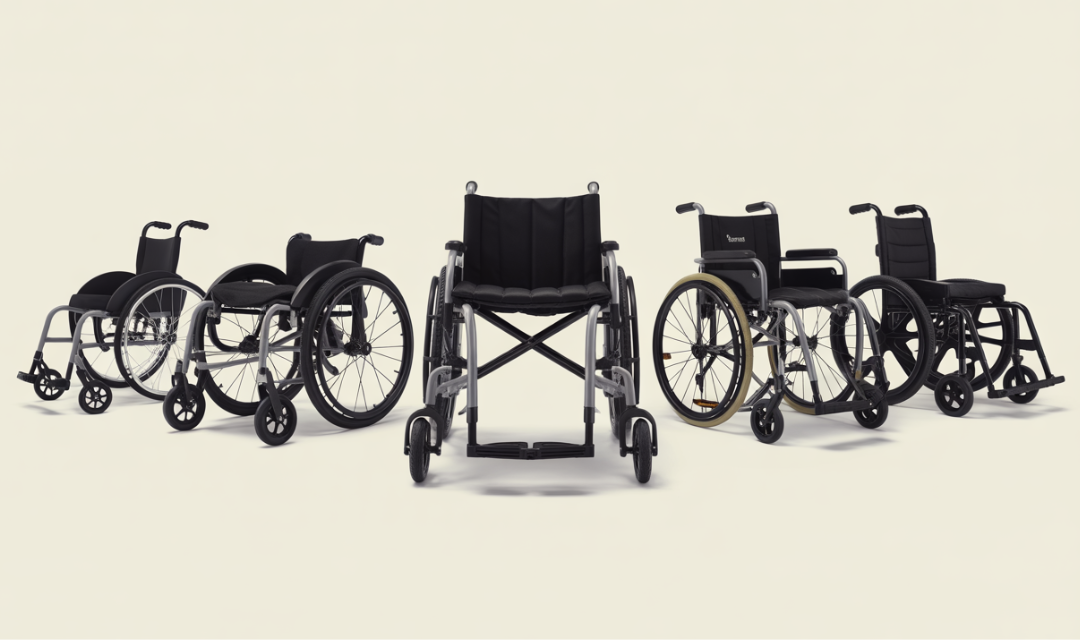
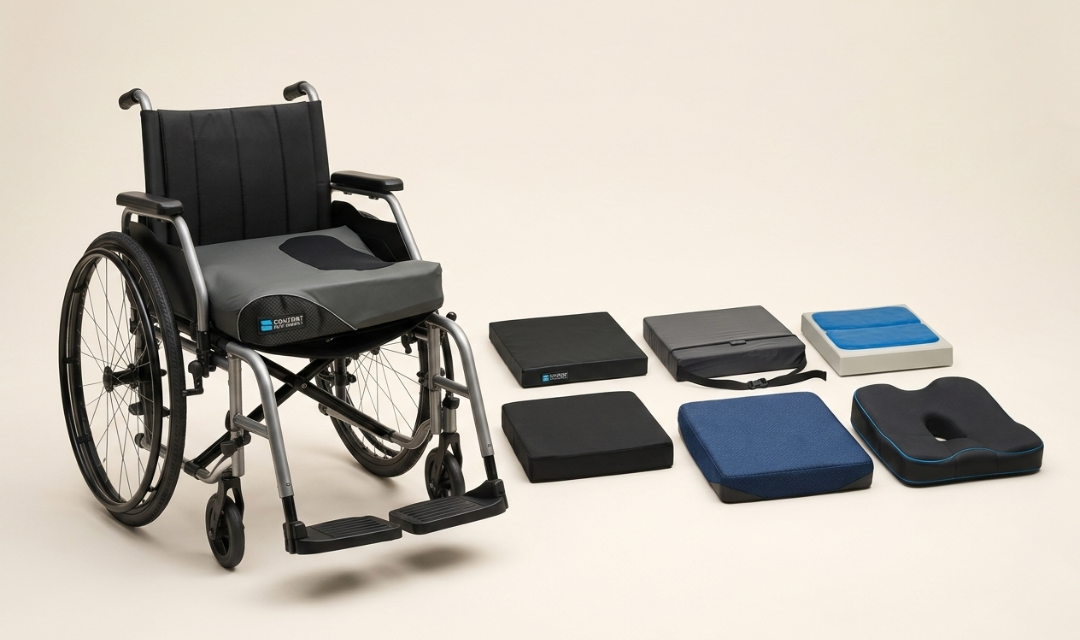
lightweight manual wheelchairs for sale including ergonomic, folding, and adjustable models

30

Apr

Lightweight Manual Wheelchairs for Sale: Complete Buying Guide to Comfortable, Portable & High-Performance Wheelchairs

Key Takeaway

Choosing the right lightweight manual wheelchair can dramatically improve comfort, mobility, and independence — while the wrong choice can limit daily life and create unnecessary strain.

If you are searching for manual wheelchairs for sale or comparing lightweight wheelchairs for sale, the goal is not just finding a chair — it is finding the right balance of comfort, usability, portability, and long-term support.

This guide breaks down everything you need to confidently decide where to buy a wheelchair, how to compare options inside a trusted wheelchair store, and which models actually perform best for real daily use.

In this guide, you will learn how to compare lightweight wheelchair types, understand key comfort and performance features, match the right chair to real user needs, and confidently choose from top-performing models available today.

What you will learn

Lightweight wheelchair types, features, comfort upgrades, and real comparisons.

Why this matters

The right wheelchair improves mobility, posture, independence, and everyday comfort.

Who this helps

Seniors, caregivers, rehab users, facilities, and anyone seeking comfortable wheelchairs.

What comes next

You will explore types, user needs, features, and compare top wheelchair models.

Lightweight Types

Types of Lightweight Manual Wheelchairs and How to Choose the Right Style for Daily Mobility

When shoppers compare manual wheelchairs for sale, one of the biggest mistakes is assuming every lightweight wheelchair is built for the same purpose. The right chair depends on how it will be used every day: short-term recovery, senior mobility, facility use, travel, long-term sitting comfort, foot propulsion, independent self-propelling, or caregiver-assisted transport.

This section explains the main types of lightweight wheelchairs for sale and the features that matter most, including wheelchair weight, folding frames, self-propelled rear wheels, quick-release wheels, flip-back arms, desk-length arms, full-length arms, swing-away footrests, elevating legrests, hemi-height positioning, ergonomic seating, and advanced adjustability.

The best lightweight wheelchair is not always the lightest chair. It is the wheelchair that fits the user’s body, transfer needs, comfort level, caregiver situation, indoor space, travel routine, and long-term mobility goals.
STD

Standard Lightweight Manual Wheelchairs

Simple, durable, everyday mobility support

Standard lightweight manual wheelchairs are practical everyday chairs for basic mobility, short-term recovery, facility use, discharge planning, and general home care. They usually include a folding frame, large rear wheels for self-propelling, standard armrests, and swing-away footrests.

Best for

Basic daily use, elderly users, recovery, appointments, nursing homes, and budget-conscious buyers.

Feature focus

Durable frame, folding storage, standard rear wheels, swing-away footrests, and simple daily function.

MED

Facility and Hospital Lightweight Wheelchairs

Reliable chairs for repeated clinical use

Facility and hospital lightweight wheelchairs are built for durability, repeated transfers, easy cleaning, and dependable use in care settings. These chairs often prioritize strong frames, wipeable upholstery, flip-back or removable arms, dual axle seat-height options, and swing-away or elevating legrests.

Best for

Hospitals, nursing homes, assisted living, rehab centers, home care, and discharge planners.

Feature focus

Transfer-friendly arms, leg elevation options, durable upholstery, dual axle positioning, and clinical reliability.

CAR

Travel and Easy-Transport Lightweight Wheelchairs

Made for folding, lifting, storage, and outings

Travel-friendly lightweight wheelchairs focus on lower chair weight, compact folding, caregiver handling, and easier vehicle loading. Some models include quick-release rear wheels, fold-down backrests, removable footrests, and narrower folded widths for appointments, errands, restaurants, and family outings.

Best for

Seniors, caregivers, travel users, car transport, appointments, errands, and part-time outdoor use.

Important note

If the user only needs caregiver-pushed mobility, a transport wheelchair may be easier.

ERG

Ergonomic Lightweight Wheelchairs

Comfortable wheelchairs for longer sitting support

Ergonomic lightweight wheelchairs are designed for users who need more comfort than a basic chair can provide. These comfortable wheelchairs may include S-Shape seating, breathable mesh upholstery, anti-bacterial cushions, ergonomic handrims, improved posture support, and pressure-aware seating surfaces.

Best for

Long-term daily users, seniors, posture support, daily self-propelling, and buyers needing better comfort.

Feature focus

Ergonomic seating, breathable materials, comfort cushions, posture support, and smoother self-propelled movement.

ADJ

Adjustable Lightweight Manual Wheelchairs

Better fit through seat, arm, axle, and back adjustments

Adjustable lightweight manual wheelchairs are built for users who need a closer fit than a basic chair offers. Depending on the model, adjustments may include seat depth, seat-to-floor height, back angle, back height, armrest height, axle position, caster fork height, center of gravity, and footplate positioning.

Best for

Rehab users, active adults, long-term users, changing mobility needs, and users needing better positioning.

Feature focus

Flip-back height-adjustable arms, quick-release wheels, adjustable back angle, axle positions, caster choices, and seat height options.

LOW

Hemi-Height Lightweight Wheelchairs

Lower seat height for foot propulsion

Hemi-height wheelchairs use a lower seat-to-floor height so the user can use one or both feet to help propel or stabilize the chair. This can be especially important after stroke, one-sided weakness, lower-body involvement, or rehab situations where full arm propulsion is difficult.

Best for

Stroke recovery, one-sided weakness, foot propulsion, rehab settings, and users needing a lower seat height.

Feature focus

Dual axle or hemi-height setup, lower seat-to-floor positioning, swing-away or elevating legrests, and stable clinical use.

ACT

Active and Performance Lightweight Wheelchairs

Built for independence, control, and frequent self-propelling

Active and performance lightweight wheelchairs are designed for users who self-propel frequently and need a chair that responds better to their body and lifestyle. These chairs may include custom seat sizing, adjustable center of gravity, performance wheel options, tension-adjustable upholstery, ergonomic handrims, and precise setup options.

Best for

Independent users, long-term wheelchair users, active adults, neurological conditions, and frequent self-propelling.

Feature focus

Custom fit, center of gravity, performance wheels, quick-release axles, adjustable seat height, and propulsion control.

2IN1

Convertible Wheelchair and Transport Chair

One chair for self-propelling and caregiver transport

A convertible wheelchair gives families and care teams more flexibility because it can work as a self-propelled wheelchair and a caregiver-pushed transport chair. With removable quick-release rear wheels, the chair becomes lighter and narrower in transport mode while still allowing independence when the user wants to self-propel.

Best for

Elderly users, changing mobility levels, caregivers, assisted living, rehab, appointments, and mixed support needs.

Feature focus

Removable rear wheels, transport mode, fold-down backrest, dual braking, removable arms, and caregiver flexibility.

Key Wheelchair Features That Change Comfort, Transfers, and Daily Use

After choosing the wheelchair type, the next step is understanding which features matter most. These details often determine whether the chair feels easy, supportive, and practical every day.

Desk-Length Arms vs Full-Length ArmsDesk-length arms help the wheelchair fit closer to tables and desks. Full-length arms provide more continuous forearm support.
Flip-Back Arms vs Fixed ArmsFlip-back or removable arms help with side transfers, caregiver access, and movement from bed, chair, toilet, or vehicle.
Swing-Away FootrestsSwing-away footrests move out of the way for standing transfers and easier positioning in narrow home or facility spaces.
Elevating LegrestsElevating legrests support users who need leg elevation after injury, swelling, surgery, circulation issues, or comfort needs.
Quick-Release Rear WheelsQuick-release wheels make some chairs easier to load into cars, store, transport, and adjust for travel situations.
Self-Propelled Rear WheelsLarge rear wheels allow the user to push independently. Transport chairs use smaller rear wheels and rely more on caregivers.
Folding Frame and Fold-Down BackFolding designs help with storage, vehicle loading, travel, and moving the chair between home and appointments.
Wheelchair WeightLower weight helps caregivers lift the chair, but comfort, durability, fit, and support still matter more than weight alone.
Long-Term ComfortErgonomic seating, breathable upholstery, cushion support, seat size, and back positioning are critical for daily wheelchair users.
When deciding where to buy a wheelchair, support after the purchase matters. Many customers run into problems when buying home care medical equipment or mobility products from large online marketplaces where product guidance, parts support, warranty help, and real customer service can be difficult to access later. Buying from a trusted wheelchair store and medical equipment provider like MedCare Mobility helps ensure you are not left stuck if you need help choosing the right size, understanding options, replacing accessories, or getting support after delivery.
Best Fit Guide

Match the Right Lightweight Manual Wheelchair to the User’s Daily Needs

After understanding the main lightweight wheelchair types, the next step is matching the chair to the user’s real daily routine. Many people searching for manual wheelchairs for sale are not only comparing product names. They are trying to solve a specific problem: easier car transport, safer caregiver support, facility reliability, better long-term comfort, foot propulsion, or more active self-propelled performance.

Use this visual fit guide to narrow down the best direction before comparing models. It is designed to help shoppers choose from lightweight wheelchairs for sale with more confidence, especially when comfort, transfer access, portability, adjustability, and daily use matter.

A good wheelchair match starts with the user’s real-life need. The best chair for car transport is not always the best chair for long-term sitting comfort, and the best chair for a facility is not always the right chair for an active self-propelling user.
CAR

Need the easiest chair to lift into a car?

Travel, folding, caregiver lifting, and vehicle storage

Choose a travel-friendly lightweight wheelchair when the main concern is lifting, folding, and moving the chair in and out of a vehicle. These chairs are ideal for appointments, errands, family outings, restaurants, and part-time use outside the home.

Look for

Low frame weight, compact folding, removable footrests, fold-down backrests, and quick-release rear wheels when available.

Best fit

Caregivers who need easier lifting and users who need a practical chair for travel or short-to-moderate daily use.

CARE

Need senior mobility and caregiver flexibility?

One chair for independence and assisted transport

For elderly users whose mobility changes throughout the day, a convertible chair can be extremely helpful. It allows self-propelling when the user wants independence, while also converting into a lighter caregiver-pushed transport setup when assistance is needed.

Look for

Removable rear wheels, transport mode, fold-down backrest, dual braking, removable arms, and swing-away footrests.

Best fit

Seniors, caregivers, assisted living, rehab transitions, appointments, and users who move between independence and support.

MED

Need facility or hospital reliability?

Repeated use, transfers, easy cleaning, and legrest options

Facility-focused lightweight wheelchairs are built for repeated use in hospitals, nursing homes, rehab centers, assisted living, and home care environments. They often focus less on advanced customization and more on durability, transfer access, easy cleaning, and dependable daily performance.

Look for

Durable frame, wipeable upholstery, flip-back or desk-length arms, swing-away footrests, elevating legrests, and dual axle options.

Best fit

Care teams, discharge planners, long-term care, rehab users, and families needing reliable medical-grade mobility support.

COMF

Need ergonomic long-term comfort?

Posture, pressure awareness, and daily sitting support

If the user sits in the wheelchair for longer periods, comfort becomes a major buying factor. Ergonomic models are designed to improve posture, distribute sitting pressure more naturally, and create a smoother daily experience than a basic standard wheelchair.

Look for

S-Shape seating, breathable upholstery, comfort cushions, ergonomic handrims, lightweight folding design, and smoother propulsion.

Best fit

Long-term daily users, seniors, self-propelling users, and shoppers looking for comfortable wheelchairs with stronger support.

HEMI

Need stroke recovery or foot-propulsion support?

Lower seat height for users who propel with their feet

A hemi-height wheelchair can be the right choice when the user benefits from a lower seat-to-floor height. This may help users use one or both feet to assist with propulsion, especially after stroke, one-sided weakness, or during rehab-focused mobility.

Look for

Lower seat-to-floor height, dual axle positioning, stable rear wheels, swing-away footrests, and optional elevating legrests.

Best fit

Stroke recovery, one-sided weakness, foot propulsion, rehab facilities, and users who need easier floor contact.

ACT

Need active or custom-fit performance?

Self-propelling, adjustability, center of gravity, and control

Active and adjustable lightweight wheelchairs are built for users who self-propel frequently or need a more precise fit. These chairs can help improve propulsion efficiency, posture, transfer access, and daily independence when a basic wheelchair is not enough.

Look for

Adjustable seat height, back angle, arm height, axle position, center of gravity, quick-release wheels, and performance seating options.

Best fit

Independent users, active adults, long-term users, rehab users, and buyers needing more responsive daily performance.

Comfort and positioning can also be improved with the right wheelchair add-ons

The wheelchair itself is only one part of the seating setup. Many users also benefit from added support products such as pressure relief cushions, back cushions, pelvic positioning support, medial knee support, thigh support, anti-tippers, seat belts, brake extensions, trays, oxygen holders, and other wheelchair accessories. These add-ons can help improve comfort, posture, stability, pressure management, and caregiver confidence.

For example, a user who needs better pelvic alignment may benefit from products such as BodiLink Pelvic Support, while users who sit for longer periods should also compare wheelchair cushions and review a dedicated guide on choosing wheelchair seat cushions and back cushions. For additional setup needs, browse wheelchair accessories.

Best By User

Best Lightweight Wheelchair by User, Condition, and Care Setting

Choosing from manual wheelchairs for sale becomes much easier when the wheelchair is matched to the user’s condition, strength level, transfer needs, and daily setting. A senior who needs caregiver help, a stroke patient who uses foot propulsion, a long-term wheelchair user who needs comfort, and a rehab facility that needs reliable equipment may all need different lightweight wheelchair features.

This chart is designed to help shoppers compare lightweight wheelchairs for sale by real user needs instead of guessing by product name alone. Use it as a practical guide for matching common conditions, mobility challenges, and care environments to the right wheelchair direction.

The most accurate wheelchair choice should consider seat width, seat height, transfer method, armrest style, legrest needs, posture support, self-propelling ability, caregiver strength, and whether the chair is used part time or every day.

Wheelchair Matching Chart

Compare common user situations, the features that usually matter most, and the lightweight wheelchair models that best match each condition or setting.

User, condition, or setting
Best wheelchair direction
Suggested models
Best for elderly users and seniors Daily mobility, caregiver help, appointments, and safe transfers
Seniors often need a chair that balances comfort, safety, folding convenience, and caregiver handling. Look for lightweight construction, swing-away footrests, easy-clean upholstery, stable wheels, and removable or desk-length arms when transfers are important.
Best for caregivers Lifting, folding, pushing, transfers, and car loading
Caregivers usually benefit from a lighter chair that folds easily and has removable footrests, quick-release wheels, or transport flexibility. If the user does not self-propel, a transport chair may be a better choice than a standard manual wheelchair.
Best for stroke recovery or one-sided weakness Foot propulsion, lower seat height, and rehab mobility
Stroke recovery often requires careful attention to seat-to-floor height, transfer access, and whether the user can propel with one foot. Hemi-height positioning is important when the user needs better floor contact for foot-assisted movement.
Best for cerebral palsy or positioning support Posture, adjustability, pelvic stability, and comfort
Some users with cerebral palsy or similar positioning needs may need adjustable seat height, back angle, center of gravity, arm height, cushion support, pelvic support, and additional positioning accessories. A more adjustable chair is usually better than a basic standard wheelchair.
Best for long-term daily wheelchair users Comfort, posture, pressure awareness, and durability
Long-term users usually need more than a basic chair. Prioritize comfortable wheelchairs with ergonomic seating, proper seat width, supportive back design, breathable upholstery, cushion compatibility, and adjustability when the chair is used for many hours per day.
Best for travel and outdoor outings Low weight, folding design, and easy vehicle transport
For outings, appointments, restaurants, shopping, and family visits, the main priorities are lighter weight, compact folding, removable footrests, caregiver handling, and transport-friendly rear wheel options.
Best for hospitals, nursing homes, and assisted living Repeated use, easy cleaning, transfers, and reliability
Care facilities should prioritize durable frames, easy-clean upholstery, common adult seat sizes, transfer-friendly arms, legrest options, and dependable parts support. These settings often need practical reliability more than advanced active-chair customization.
Best for independent self-propelling users Large rear wheels, propulsion control, and active fit
Users who push themselves frequently should consider rear wheel quality, handrim comfort, chair weight, seat fit, center of gravity, armrest clearance, axle position, and how efficiently the chair moves throughout the day.
Best for users who need leg elevation Swelling, injury recovery, surgery, and leg support
When leg elevation is needed, look for wheelchair configurations that offer elevating legrests. These can help support comfort after injury, surgery, swelling, circulation concerns, or when the user cannot keep the legs comfortably bent for long periods.
Best for narrow home spaces and car transport Doorways, hallways, storage, and daily handling
For tight homes, apartments, narrow hallways, and frequent car transport, consider overall chair width, folded width, removable footrests, chair weight, and whether a convertible or transport-style option would be easier for the caregiver.

When a different wheelchair category may be a better fit

Lightweight manual wheelchairs are excellent for many users, but some conditions and care needs are better matched to a different wheelchair category. If the user needs caregiver-only transport, high-back support, reclining positioning, or higher weight capacity, it may be safer and more practical to explore these options instead.

Caregiver-pushed mobility only

If the user does not self-propel and mainly needs short trips, appointments, facility transport, or easier caregiver handling, a transport chair may be lighter and easier to manage than a self-propelled wheelchair.

Explore Transport Wheelchairs

High-back or reclining support needs

Users with poor trunk control, fatigue, positioning challenges, or a need for reclined resting may require a high-back reclining wheelchair rather than a standard lightweight manual chair.

Explore Reclining Wheelchairs

Higher weight capacity or wider seating

If the user needs a wider seat, reinforced frame, stronger weight capacity, or more stable heavy-duty support, a bariatric wheelchair is usually the safer and more comfortable category.

Explore Bariatric Wheelchairs
How to Choose

How to Choose a Lightweight Manual Wheelchair Without Guessing

The best way to choose a lightweight manual wheelchair is to match the chair to the user’s body, strength, transfer routine, home layout, transportation needs, and expected sitting time. Many shoppers comparing manual wheelchairs for sale ask the same questions: how light should it be, what seat size is right, which armrests are better, whether elevating legrests are needed, and whether an adjustable chair is worth it.

This section keeps the decision simple. Instead of repeating every wheelchair type again, it focuses on the real buying checks that help you compare lightweight wheelchairs for sale with more confidence before choosing a chair.

A lightweight wheelchair should not be chosen by product weight alone. The right chair should be light enough to manage, strong enough for daily use, wide enough for comfort, narrow enough for the home, and supportive enough for the user’s mobility condition.
How light should a wheelchair be?

Weight vs durability

A lighter chair is easier to lift into a car, but the frame still needs to feel stable for daily use. Choose a very lightweight model for travel and caregiver lifting, and choose a stronger everyday chair if the wheelchair will be used heavily at home, in a facility, or for frequent transfers.

How do I choose wheelchair seat size?

Seat width and seat depth

Seat width affects comfort, posture, and doorway clearance. Too narrow can create pressure and discomfort; too wide can reduce support and make self-propelling harder. Seat depth should support the thighs without pressing behind the knees.

Who needs hemi height?

Seat height and foot propulsion

Seat height matters when the user transfers, sits at tables, or uses their feet to help move the chair. Hemi-height wheelchairs are often helpful for stroke recovery, one-sided weakness, and users who need better floor contact for foot propulsion.

Which wheelchair armrests are best?

Fixed, desk-length, flip-back, and adjustable arms

Desk-length arms help the chair fit closer to tables. Flip-back or removable arms help with side transfers. Height-adjustable arms can improve comfort and positioning. Fixed arms are simple and durable, but may be less flexible for transfers.

Do I need elevating legrests?

Footrests and legrests

Swing-away footrests are useful for standing transfers and tight spaces. Removable footrests help with storage and transport. Elevating legrests are better when the user needs leg support for swelling, injury recovery, surgery recovery, or comfort.

Are quick-release wheels worth it?

Rear wheels and transport

Standard rear wheels are dependable for everyday use. Quick-release rear wheels can make a chair easier to load, store, and transport. Performance wheels are more relevant for active users who self-propel frequently and want better responsiveness.

What safety features should I check?

Brakes and daily safety

Wheel locks should be easy to reach and hold securely. Caregivers should also consider anti-tippers, brake extensions, seat belts, and proper footrest positioning when the user has weakness, balance issues, or needs extra support during transfers.

Does the chair need to fold?

Foldability and storage

Folding frames are important for car transport, apartments, small homes, and storage. A fold-down backrest or removable wheels can make transport even easier. For facility use, folding is helpful, but durability and cleaning may matter more.

Should I buy adjustable or standard?

Adjustable vs non-adjustable chairs

A standard chair works well for basic mobility, short-term use, and simple facility needs. An adjustable chair is better for long-term users, rehab needs, posture support, frequent self-propelling, or anyone who needs a more customized fit.

Indoor or outdoor use?

Home, facility, and outside movement

Indoor users should check overall width, turning space, and transfer access. Outdoor users should think about rear wheel size, front caster stability, caregiver pushing, and how often the chair will be lifted into a vehicle.

Quick Buying Checklist

Use this simple checklist before choosing from a wheelchair store or comparing models online.

Measure the user Confirm seat width, seat depth, weight capacity, and whether the user needs extra posture or cushion support.
Check the home Look at doorways, hallways, bathroom access, turning space, and where the wheelchair will be stored.
Know the transfer style Side transfers usually benefit from flip-back or removable arms and footrests that move out of the way.
Plan for transport If the chair goes into a car often, check total weight, folded width, footrest removal, and rear wheel options.
Match comfort to sitting time Part-time users may need simple support. Daily users should prioritize ergonomic seating and cushion compatibility.
Buy with support When deciding where to buy a wheelchair, choose a provider that can help with sizing, options, accessories, and post-purchase guidance.
Compare Options

Lightweight Manual Wheelchair Comparison Chart

Comparing wheelchairs becomes much easier when the most important details are shown together. This chart helps you review each model by how it is built, who it is best suited for, how easy it may be to transport, and which comfort or adjustability features matter most for daily mobility.

Use this chart as a quick decision tool before choosing a wheelchair. The best option should match the user’s size, strength, transfer needs, sitting time, travel routine, and care setting.

Compare Lightweight Manual Wheelchairs

Review seat sizes, chair weight, best use, armrests, legrests, wheels, and key features in one easy chart.

Swipe left to compare seat sizes, weight, best use, armrests, legrests, and key features.
Product
Type
Seat Sizes
Weight and Capacity
Best Use
Armrests
Footrests and Legrests
Wheels and Key Features
Standard lightweight manual wheelchair
Common adult sizes including 16 inch, 18 inch, and 20 inch
Standard adult wheelchair capacity
Basic daily mobility, short-term recovery, home care, hospitals, nursing homes, and budget-conscious buyers
Desk-length or fixed-style arms depending on configuration
Swing-away footrests; elevating options may be available
Standard rear wheels and casters; dependable Invacare everyday chair
Adjustable lightweight manual wheelchair
16 inch, 18 inch, 20 inch; seat depth adjusts 16 inch to 18 inch
34 to 36 lbs; 300 lb capacity
Adults needing better fit, rehab users, daily mobility, and more adjustability than a basic chair
Flip-back, removable, height-adjustable padded arms
Tool-free adjustable swing-away footrests
Quick-release rear wheels; adjustable seat depth; strong adjustable everyday use
High-performance K4 adjustable wheelchair
16 inch, 18 inch, 20 inch, 22 inch; seat depth adjusts 16 inch to 18 inch
34 to 35 lbs; 300 to 350 lb capacity
Long-term users, custom fit needs, rehab, advanced positioning, and stronger adjustability
Height-adjustable, flip-back, removable padded arms
Swing-away footrests or elevating legrests
24 inch quick-release rear wheels; adjustable back angle, back height, caster forks, seat depth, and anti-tippers
Everyday lightweight regular wheelchair
16 inch, 18 inch, 20 inch; seat depth 16 inch or 18 inch
35 lbs without footrests; up to 300 lb capacity
Seniors, facilities, home care, everyday mobility, and durable basic support
Desk-length arms
Swing-away footrests
24 inch rear wheels; 8 inch front casters; durable regular wheelchair for daily use
Feather light folding travel wheelchair
18 inch seat width; 16 inch depth
24 lbs total; 13 lb frame; 250 lb capacity
Travel, caregivers, car transport, appointments, errands, and short-to-moderate daily use
Fixed padded armrests
Swing-away removable footrests with adjustable footplates
22 inch flat-free rear tires; 6 inch solid casters; very easy to lift and transport
Advanced ergonomic folding wheelchair
16 inch x 17 inch, 18 inch x 17 inch
29 lbs; 22 lbs without footrests; 250 lb capacity
Long-term users, posture support, advanced comfort, daily self-propelling, and performance upgrades
Flip-back height-adjustable ergonomic armrests
Swing-in or swing-away removable footrests
24 inch quick-release rear wheels; Spinergy upgrades; S-Shape seating; optional Frog Legs suspension
Hemi-height standard manual wheelchair
16 inch, 18 inch, 20 inch; 16 inch depth
42 to 44 lbs; 300 to 350 lb capacity
Stroke recovery, foot propulsion, one-sided weakness, rehab, seniors, and facilities
Removable padded arms; desk or full length options
Swing-away footrests or elevating legrests
24 inch urethane rear tires; 8 inch adjustable front casters; dual axle hemi-height adjustment
K5-style adjustable ultra lightweight wheelchair
16 inch x 17 inch, 18 inch x 17 inch
28 lbs without footrests; 250 lb capacity
Active users, rehab, travel, adjustable daily mobility, and easier transport
Flip-back height-adjustable arms, 9 inch to 12 inch
Swing-away removable footrests with adjustable footplates
24 inch flat-free rear wheels; 7 inch front casters; adjustable axle, seat height, arms, and folding backrest
Ultra lightweight folding travel chair
Common adult seat sizes
Ultra lightweight range; standard adult capacity
Travel, caregivers, vehicle loading, portable use, and users wanting quick-release wheels
Supportive standard arms
Swing-away or removable footrests
Quick-release rear wheels; portability upgrade over basic featherweight chairs
Ultra lightweight self-propelled ergonomic chair
16 inch x 17 inch, 18 inch x 17 inch
28 lbs with footrest; 250 lb capacity
Independent users, daily self-propelling, ergonomic support, travel, and lightweight mobility
Fixed ergonomic armrests
Patented swing-away non-removable footrest
24 inch flat-free rear wheels; 7 inch front casters; AEIGIS cushion, breathable mesh, ergonomic handrim
Reliable lightweight everyday wheelchair
Common adult seat widths
Standard adult wheelchair range
Basic home use, facility use, short-term recovery, seniors, and budget-conscious buyers
Standard supportive arms
Swing-away footrests depending on setup
Standard rear wheels and casters; practical basic Karman manual wheelchair
ERGO ATX Active Wheelchair
Custom active chair
Custom active performance wheelchair
14 inch x 15 inch, 16 inch x 16 inch, 16 inch x 18 inch, 18 inch x 16 inch, 18 inch x 18 inch
15.4 lb frame; 26 to 30 lbs configured; 275 lb capacity
Active users, cerebral palsy, spinal cord injury, MS, independent mobility, and custom performance needs
Flip-back or removable/no-arm active setup
One-piece foldable footplate; height and angle adjustable
24 inch pneumatic rear wheels; custom center of gravity, seat heights, back angle, casters, Frog Legs option
Protekt Cambria 2-in-1 Wheelchair
Wheelchair plus transport
Convertible wheelchair and transport chair
16 inch, 18 inch, 20 inch; 16 inch depth
31.5 to 33.5 lbs wheelchair mode; 23 to 25 lbs transport mode; 275 lb capacity
Elderly users, seniors, caregivers, home care, assisted living, facilities, and changing mobility needs
Padded desk-length removable arms
Swing-away removable footrests with heel loops
24 inch quick-release rear wheels; converts from self-propelled wheelchair to caregiver transport chair
Ultra lightweight ergonomic manual wheelchair
16 inch, 18 inch, 20 inch; 17 inch depth
25 lbs without footrests; 250 lb capacity
Daily users, seniors, travel, long-term comfort, ergonomic support, and caregivers
Fixed ergonomic armrests
Swing-in or swing-away removable footrests; elevating option may be available
24 inch flat-free rear wheels; 7 inch front casters; S-Shape seating, AEIGIS cushion, folding seat and back
Dual axle hospital wheelchair
16 inch, 18 inch, 20 inch; depth 16 inch to 18 inch
35 to 38 lbs; 300 lb capacity
Hospitals, nursing homes, rehab, facilities, home care, and users needing leg elevation options
Flip-back removable padded desk arms; fixed or adjustable depending on size
Swing-away footrests or elevating legrests
Composite mag wheels; 8 inch front casters; dual axle; facility-grade McKesson reliability
Lightweight aluminum folding manual wheelchair
16 inch, 18 inch; 16 inch depth
30 lbs without riggings; 250 lb capacity
Home care, caregivers, hospitals, facilities, short-term recovery, and value-focused buyers
Padded flip-back desk arms with side panels
Swing-away detachable footrests; elevating models available
24 inch mag rear wheels; 8 inch polyurethane casters; affordable K0004 aluminum folding wheelchair
Fully adjustable folding performance wheelchair
16 inch x 16 inch, 16 inch x 18 inch, 18 inch x 16 inch, 18 inch x 18 inch, 20 inch x 18 inch; Flexx Tall options
28.5 lbs without riggings; 286 lb capacity
Active users, cerebral palsy positioning, stroke recovery, neurological conditions, and long-term mobility
Flip-back adjustable arms; optional extra-wide hemi concave pivoting pads
70 degree swing-in or swing-out footrests, or elevating legrests with calf support
24 inch quick-release rear wheels; multiple caster options; center of gravity, back angle, Frog Legs suspension

Common Questions

Common Questions About Lightweight Manual Wheelchairs

These answers are built around the real questions families, caregivers, seniors, rehab users, and healthcare buyers often ask when comparing manual wheelchairs for sale. Use this section to quickly understand lightweight wheelchair features, sizing, comfort, transport, hemi-height options, and when another wheelchair category may be a better fit.

For the safest choice, match the wheelchair to the user’s size, condition, transfer needs, caregiver support, sitting time, and home environment. A lightweight wheelchair should be practical, comfortable, and appropriate for the user’s daily routine.
What is the best lightweight manual wheelchair?

The best lightweight manual wheelchair depends on the user’s needs. For travel and car transport, a very light folding model like the Karman LT-980 or Karman LT-990 may be best. For comfort, ergonomic models like the Karman S-ERGO 115 or Karman S-ERGO 305 are stronger choices.

For facilities and basic daily use, models like the McKesson Lightweight Wheelchair, Invacare Essential SX3, and Invacare Essentials EX1 are practical options.

What is the lightest manual wheelchair?

The lightest manual wheelchairs are usually ultra lightweight or featherweight models designed for portability. In this category, the Karman LT-980 is one of the easiest options for caregivers to lift, store, and transport.

However, the lightest chair is not always the best chair. If the user sits for long periods or self-propels often, comfort, posture support, rear wheel performance, and seat fit may matter more than the lowest possible weight.

What is the difference between lightweight and ultra lightweight wheelchairs?

A lightweight wheelchair is generally easier to push, fold, and transport than a standard heavy wheelchair. An ultra lightweight wheelchair usually uses lighter frame materials, better portability features, and often weighs less than many basic lightweight models.

Ultra lightweight wheelchairs are often better for travel, caregivers, active users, and people who need easier car loading. Standard lightweight wheelchairs may still be better for facilities, short-term recovery, and users who need a durable everyday chair at a lower cost.

What is the best lightweight wheelchair for elderly users?

The best lightweight wheelchair for elderly users is usually one that balances comfort, stability, easy transfers, and caregiver handling. A convertible option like the Protekt Cambria 2-in-1 Wheelchair is helpful when the user sometimes self-propels but also needs caregiver assistance.

For seniors who need more comfort during longer sitting periods, ergonomic chairs like the Karman S-ERGO 115 can be a strong option. For basic daily support, the Invacare Essential SX3 may be a practical choice.

How do I choose a wheelchair for an elderly person?

To choose a wheelchair for an elderly person, start with seat width, seat depth, weight capacity, transfer method, caregiver strength, home layout, and how long the user sits each day. If the chair will be lifted into a car often, choose a lighter folding model. If transfers are difficult, look for flip-back or removable arms and swing-away footrests.

If the elderly user does not self-propel, a transport wheelchair may be easier than a full manual wheelchair. If the user needs a wider seat or higher capacity, explore bariatric wheelchairs.

What wheelchair is best for stroke patients?

The best wheelchair for stroke patients depends on strength, balance, transfer ability, and whether the user has one-sided weakness. A hemi-height wheelchair can be especially helpful when the user needs a lower seat-to-floor height to assist with foot propulsion.

The Chariot II Hemi Wheelchair is designed for users who may benefit from hemi-height positioning. Some stroke users may also need adjustable seating, legrest options, cushion support, or caregiver assistance depending on their recovery stage.

What is a hemi-height wheelchair?

A hemi-height wheelchair is a wheelchair with a lower seat-to-floor height. This lower position can help some users reach the floor with one or both feet, making it easier to assist with movement, balance, or foot propulsion.

Hemi-height wheelchairs are commonly considered for stroke recovery, one-sided weakness, rehab, and users who cannot comfortably self-propel using both arms. The Chariot II Hemi is one example of a wheelchair designed around this type of need.

How does a hemi wheelchair work?

A hemi wheelchair works by lowering the seat height so the user can place one or both feet closer to the floor. This can allow foot-assisted propulsion, which may help users who have weakness on one side of the body or limited arm strength.

The goal is not just comfort. Hemi-height positioning can affect how independently a user moves, how safely they stabilize themselves, and how easily they participate in rehab-style mobility.

Hemi wheelchair vs standard wheelchair: what is the difference?

A standard wheelchair usually has a typical adult seat-to-floor height for general daily use. A hemi wheelchair has a lower seat-to-floor height, which can help users propel with their feet or maintain better floor contact.

A standard lightweight wheelchair may be best for general mobility, facilities, or short-term recovery. A hemi-height wheelchair is more specific and is often chosen for stroke recovery, one-sided weakness, or foot propulsion needs.

What wheelchair is best for cerebral palsy?

The best wheelchair for cerebral palsy depends on posture control, muscle tone, pelvic stability, transfers, and how independently the user self-propels. Some users may need an adjustable lightweight wheelchair with better seat positioning, back angle options, center of gravity adjustment, and compatibility with cushions or positioning supports.

Adjustable models like the Karman Flexx, ERGO ATX Active Wheelchair, or Karman S-ERGO 305 may be better suited than a basic wheelchair for users who need more precise setup and support.

Are lightweight wheelchairs good for hospitals and nursing homes?

Yes, lightweight wheelchairs can be good for hospitals, nursing homes, rehab centers, and assisted living when the chair is durable, easy to clean, and appropriate for repeated transfers. Facilities often need dependable chairs with common adult seat sizes, legrest options, and transfer-friendly armrests.

Models such as the McKesson Lightweight Wheelchair, Invacare Essential SX3, and Invacare Essentials EX1 are practical options for facility-focused use.

Do lightweight wheelchairs fold?

Many lightweight manual wheelchairs fold for storage and transport. Folding frames are helpful for car loading, small homes, apartments, facility storage, and travel. Some models also include fold-down backrests, removable footrests, or quick-release wheels for easier handling.

If vehicle transport is a major priority, compare the chair’s total weight, folded size, removable components, and whether a caregiver can lift it safely.

Are quick-release wheels worth it on a wheelchair?

Quick-release wheels are worth it when the wheelchair needs to be transported often, loaded into a car, stored in a tighter space, or adjusted for travel. They allow the rear wheels to come off more easily, reducing bulk and making the chair easier to manage.

Quick-release wheels are especially helpful for active users, caregivers, and buyers looking for better portability. For basic facility use, they may be less important than durability, easy cleaning, and legrest options.

Swing-away footrests vs elevating legrests: which do I need?

Swing-away footrests move out of the way for standing transfers, tight spaces, and easier positioning. They are common on many lightweight manual wheelchairs and are useful for daily mobility.

Elevating legrests are better when the user needs leg elevation due to swelling, injury, surgery recovery, circulation issues, or comfort needs. If leg positioning is a concern, choose a wheelchair configuration that supports elevating legrests.

Flip-back arms vs fixed arms: which wheelchair armrest is better?

Flip-back arms are usually better for side transfers because they move out of the way when transferring from a bed, chair, toilet, or vehicle. Removable arms can also help caregivers with positioning and access.

Fixed arms are simple, durable, and supportive, but they are less flexible during transfers. Desk-length arms help the wheelchair roll closer to tables and desks, while full-length arms provide more continuous forearm support.

How do I choose the right wheelchair seat width?

Wheelchair seat width should be wide enough for comfort but not so wide that the user loses posture support or has difficulty self-propelling. A seat that is too narrow can create pressure and discomfort. A seat that is too wide can make reaching the wheels harder and reduce stability.

Also consider doorway clearance, cushion thickness, clothing, hip width, and whether the user needs extra space for positioning supports. When in doubt, choose with guidance from a trusted wheelchair provider.

Can lightweight wheelchairs be used outside?

Yes, many lightweight wheelchairs can be used outside on smooth, stable surfaces such as sidewalks, paved paths, parking lots, and facility grounds. Outdoor performance depends on rear wheel size, front caster size, tire type, frame stability, and whether the user or caregiver can safely manage uneven surfaces.

For frequent outdoor use, choose a chair with stable rear wheels, durable casters, and comfortable seating. Very small transport-style wheels may be harder to use outdoors on rough surfaces.

Should I buy a transport chair instead of a wheelchair?

A transport chair may be better if the user does not need to self-propel and will mainly be pushed by a caregiver. Transport chairs are often lighter, narrower, and easier to lift into a car, making them useful for appointments, travel, and short trips.

A manual wheelchair is usually better when the user needs large rear wheels for self-propelling or more independent mobility. Browse transport wheelchairs if caregiver-pushed mobility is the main goal.

Do I need a wheelchair cushion?

Many wheelchair users benefit from a wheelchair cushion, especially if they sit for longer periods, need pressure relief, have posture concerns, or want better comfort than the standard wheelchair seat provides. A cushion can help improve sitting tolerance, alignment, and pressure distribution.

Explore wheelchair seat cushions or read the full guide on wheelchair seat cushions and back cushions to understand which cushion type may fit the user’s needs.

Can a wheelchair cushion help with back pain or pressure sores?

A wheelchair cushion can help improve comfort, sitting posture, and pressure distribution, which may reduce discomfort during longer sitting periods. For users at risk of pressure injuries or with existing wounds, cushion selection should be guided by a healthcare professional.

Foam, gel, air, and positioning cushions serve different needs. Users with pressure concerns, pelvic instability, or posture challenges may need a more specialized seating setup rather than a basic cushion alone.

Where is the best place to buy a wheelchair?

The best place to buy a wheelchair is from a trusted wheelchair store or medical equipment provider that can help with sizing, product selection, accessories, warranty support, and post-purchase questions. This is especially important for home care medical equipment because the right fit and features matter after delivery.

Large online marketplaces may look convenient, but many customers run into problems when they need guidance, replacement parts, warranty help, or support later. A provider like MedCare Mobility can help buyers compare options and choose the right wheelchair category for the user’s needs.

What is the best wheelchair for narrow doorways and small homes?

The best wheelchair for narrow doorways and small homes depends on overall chair width, seat width, rear wheel size, footrest style, and turning space. A narrower seat may help with doorways, but it must still fit the user comfortably and safely.

For tight spaces and frequent transport, lightweight folding chairs like the Karman LT-980, Karman LT-990, or a convertible option like the Protekt Cambria may be worth comparing.

What is the best wheelchair for someone who self-propels?

The best wheelchair for someone who self-propels should have large rear wheels, comfortable handrims, proper seat width, good rear wheel position, and a weight that the user can manage. Active or adjustable lightweight wheelchairs are often better for frequent self-propelling than basic standard chairs.

Models like the ERGO ATX, Karman LT-K5, Karman Flexx, and STAR Two are better suited for users who need more responsive mobility.


Leave a Reply

RELATED

Posts