Whether you're a caregiver, medical professional, or someone shopping for a loved one, choosing the right hospital bed mattress is essential for comfort, support, and health. We've compiled the most frequently asked questions to help you navigate your options with confidence. From expert insights to practical buying tips, this guide is designed to answer your top concerns and ensure you make an informed decision.
18
Sep
New Studies & Statistics: Why Walkers for the Elderly Are More Crucial Than Ever
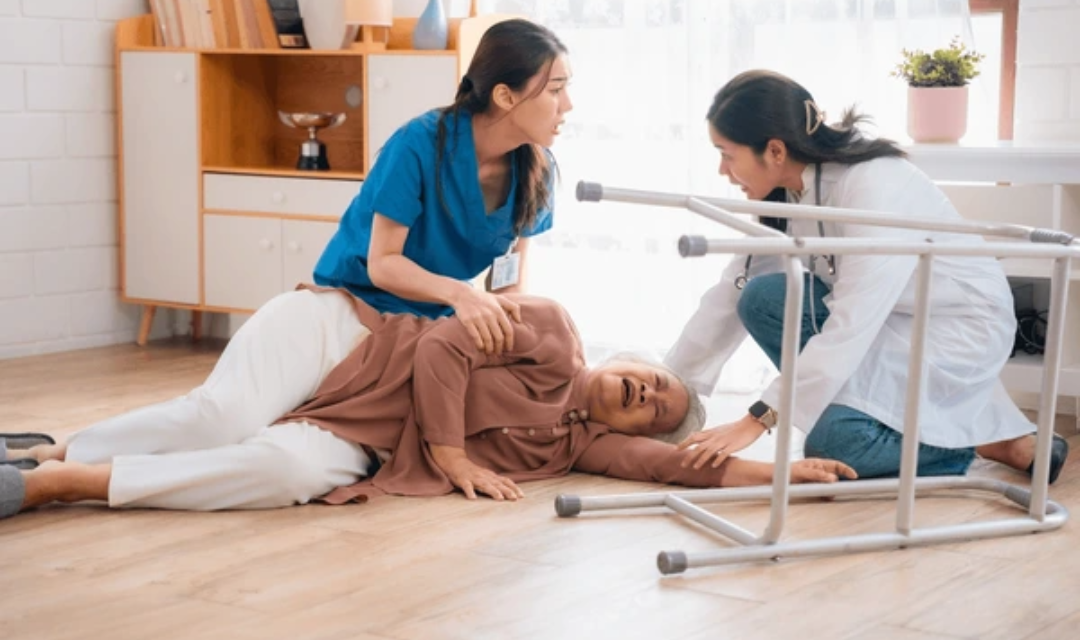
One in four adults over the age of 65 experiences a fall every year, according to the CDC. These aren’t just accidents — they are the leading cause of injury, hospitalization, and loss of independence for older adults. This single statistic alone shows why walkers for the elderly are more than convenience items; they are lifelines that preserve confidence, stability, and safety. Without proactive support, falls can trigger a cascade of health challenges that many seniors never fully recover from.
As life expectancy increases globally, more seniors are facing mobility challenges that go far beyond minor inconvenience. Issues like frequent falls, pain when standing too long, fear of losing independence, and difficulty performing daily tasks quietly accumulate — often before we notice. The purpose of this article is to promote awareness, safety, and overall independence for seniors and their caregivers. In this guide, we cover everything needed to fully understand the reality of these challenges — from the most common everyday issues to the latest research studies, along with practical guidance on finding the right solutions. By navigating through the different mobility options and focusing on walkers for the elderly — the number one tools that can make a lifetime of difference — readers can see how these devices are not optional luxuries, but vital safeguards for elderly well-being.
The Key Problems Facing Elderly Seniors
Before looking at numbers, let’s set out the core issues many seniors struggle with:
-
Falls & injury risk — slippery floors, uneven ground, poor lighting, or lack of support lead to falls, sometimes with serious consequences like hip fractures or head injuries.
-
Reduced endurance & pain — standing or walking for more than a few minutes can trigger pain in knees, hips, back. Fatigue sets in, discouraging activity.
-
Balance & gait decline — muscle strength, reflexes, vision, and joint flexibility diminish, causing wobbliness and instability.
-
Fear and isolation — after even one fall or near-fall, many seniors reduce activity out of fear, which worsens weakness, increasing risk further.
Delaying intervention with tools like walkers for the elderly can result in hospital stays, loss of confidence, reduced daily function, or worse.
Why It's Critical & What Drives the Need
These problems aren’t just discomforts — they have cascading impacts:
-
A fall often increases the risk of subsequent falls. Once someone falls, confidence drops, mobility decreases, and care dependency rises.
-
Pain and fatigue discourage daily movement, which accelerates muscle atrophy and joint stiffness. What was once a short walk becomes unmanageable.
-
Declining balance and mobility raise risks of severe injury in the case of accidents. Hip fractures, for example, in elderly populations often lead to long recovery times, frequent reliance on others, sometimes permanent loss of mobility.
Thus, implementing the right solutions and simple tools like walkers for the elderly early — including aides like rollators, or transport chairs — is essential to preserve health, independence, and quality of life.
Hard Numbers from Trusted Studies on Walkers for the Elderly
| Statistic | Value / Finding | Source |
|---|---|---|
| Percentage of older adults (65+) who fall each year | Over 25% (one in four) fall annually | National Council on Aging |
| Hospitalizations due to falls; non-fatal injuries | ~3 million ER visits yearly among older adults due to falls | CDC – Older Adult Falls Data |
| Injury rate among falls | About 37% of falls cause injuries requiring medical care or limiting activity | CDC – Older Adult Falls Data |
| Percentage using mobility devices | ~24% of U.S. adults 65+ use a mobility device monthly | NIH / PMC Study |
| Fall risk for low-activity seniors | Seniors walking <5,000 steps/day are 2.6x more likely to fall | University of Iowa Public Health |
“Mobility gives you the map back to your life. When you have a rollator or walker that supports your strength, confidence doesn’t just return—it soars. No more shrinking back, no more hesitation; just the freedom to choose where your feet take you.”
– Katherine Freund, Elder Mobility Advocate & Founder of ITNAmerica
Fun & Sobering Facts: With vs. Without Mobility Support
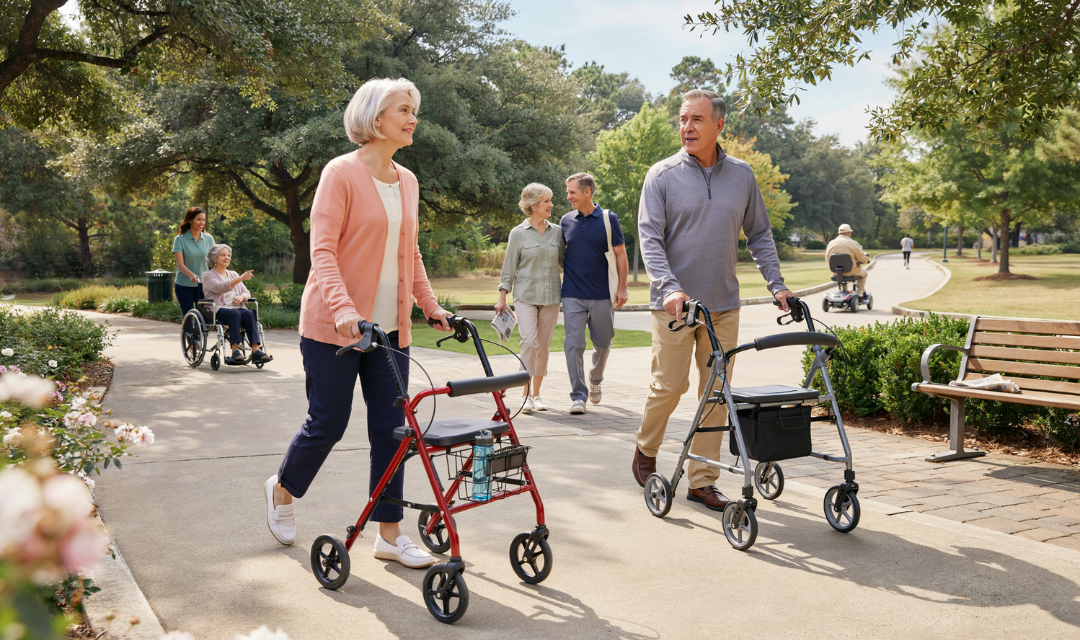
Here’s a quick contrast comparing outcomes for seniors who use proper walking or rollator aids versus those who delay or avoid them.
| Situation | Without a walker / rollator | With a properly fitted walker / rollator |
|---|---|---|
| Walking on uneven ground or grass | High risk of trip, frequent near-falls, reduction in outing frequency | Safer, more confidence, more outdoor walks |
| Shopping or errands that require walking + standing | Early fatigue, pain, often need assistance or leave tasks for others | Ability to rest on seat, better endurance, independence |
| Recovering from surgery / joint injury | Slow healing, low mobility, increased chance of complications | Enhanced stability, safer progression, less risk of dependence |
| Getting into vehicles or over thresholds | Danger of imbalance; often avoided, leading to isolation | Lighter aids, rollators that fold, safer transitions with support |
Real-World Stories: When Delay Hurts
To ground this in reality, these are true-inspired cases (anonymized) of what can happen when seniors delay or avoid mobility support:
Mrs. L., age 78: After a mild fall, she began avoiding outings because sidewalks and uneven ground caused her pain. Within six months, her reduced activity weakened her muscles, and she required urgent treatment after slipping at home and breaking her wrist. A properly fitted rollator could have restored her confidence early, allowing her to keep walking and socializing safely — and likely prevented the fracture altogether.
Mr. T., age 82: Following hip replacement surgery, he resisted using a walker, insisting on “managing alone.” He relied on furniture to steady himself, but while carrying groceries he fell in his kitchen. His recovery was extended by months, and his overall mobility decreased sharply. A stable standard walker could have supported his rehabilitation, avoided the fall, and kept him living independently.
Ms. S., age 70: Living in a rural area, she used only a cane despite uneven farm paths that made walking exhausting and risky. Social isolation grew until she tried a rollator with larger wheels. Within two months, she was attending local markets again, walking daily, and even hosting neighbors. The difference was not just physical — it gave her back a sense of belonging and joy.
These are not rare — delays in adopting the right mobility tools are a common thread in many preventable injuries.
Types of Walkers, Rollators & Other Mobility Solutions
Choosing the right mobility solution depends on balance, endurance, and lifestyle. Below are the key categories of walkers, rollators, and mobility devices — with direct links to explore each type.
| Type | Best for Which Seniors / Use Cases |
|---|---|
Rolling Walkers with Seat |
Ideal for seniors who want mobility with the option to rest anytime. Great for errands, indoor/outdoor use, and arthritis or fatigue relief. |
4-Wheel Rollators with Seat |
Perfect for active seniors needing smooth mobility, built-in seating, and safety brakes. Great for travel, parks, casinos, or daily outings. |
Standard Walkers |
Provides maximum stability. Best for seniors with severe balance issues, those recovering from surgery, or anyone needing strong support indoors. |
Bariatric Walkers & Rollators |
Built for larger users or those who require higher weight capacity. Reinforced frames, extra-wide seats, and durable construction for everyday safety. |
Transport Wheelchairs |
Best for seniors who cannot walk long distances but still want independence. Lightweight, easy for caregivers to push, and travel-friendly. |
4-Wheel Mobility Scooters |
For seniors seeking maximum independence outdoors. Great for long distances, parks, communities, and safe travel on sidewalks and boardwalks. |
Why “Walkers for the Elderly” Are Not Just Useful — They Save Lives
Putting all this together:
-
Proper use of mobility devices can reduce risk of injuries, improve balance and confidence.
-
Early adoption prevents the cascade: fall → fear → isolation → muscle loss → more falls.
-
The right walker or rollator, fitted to height, weight, and environment, is one of the most cost-effective supports for elder health.
External Resources
-
CDC – Facts About Older Adult Falls Prevention CDC
-
National Council on Aging – Get the Facts on Falls Prevention National Council on Aging
-
University of Iowa / Journal of the American Geriatrics Society – Mobility Device Use and Incidence of Falls public-health.uiowa.edu
Look for reputable medical equipment suppliers or online experts in mobility aids. Ensure that the walker you select is properly sized (handle height, seat height, weight capacity) and includes safety features like brakes. Be cautious when purchasing from general retailers without return policies. trying “walkers for the elderly” models specialized for your mobility needs can make a big difference.
Mobility scooters are often sold by authorized medical supply companies, durable medical equipment dealers, and certain healthcare pharmacies. Verify battery life, warranty, service support, safety certifications, and whether local maintenance is available before purchase.
It depends on strength, balance, endurance, and daily usage. If balance is poor, a standard walker offers stability. If stamina is limited, rollators with seats permit rest. For outdoor or uneven surfaces, all-terrain walkers or rollators with XXL wheels help. Also consider upright models for those with back or joint concerns.
Purchase from trusted sources specializing in mobility aids. Ensure products meet safety standards. Try to test or trial if possible. Look for “walkers for the elderly” lines that offer variety — lightweight, bariatric, upright, etc., so you can match the walker to the specific needs.
Key Takeaways: Why Walkers for the Elderly Are Essential
- 👉 One in four seniors will experience a fall each year — making fall prevention tools like walkers for the elderly a vital safeguard, not a luxury.
- 👉 Mobility aids reduce hospitalizations, prevent injuries, and help seniors maintain independence, confidence, and quality of life.
- 👉 Choosing the right walker — whether a 4-wheel rollator, upright walker, or standard frame — depends on balance needs, lifestyle, and environment.
- 👉 Real-world evidence shows delays in adopting mobility support often lead to avoidable injuries and loss of freedom.
- 👉 Walkers and rollators aren’t just aids — they are lifelong investments in safety, mobility, and independence for seniors.
FAQs About Rollator Walkers for Seniors
Choosing the right rollator walker can feel overwhelming with so many options available — from lightweight travel models to heavy-duty bariatric frames and upright designs for better posture. This FAQ guide brings together the most common questions seniors, caregivers, and families ask before purchasing. Whether you’re looking for comfort, safety, or mobility support, you’ll find clear answers and helpful product examples to make your decision easier.
1. What is the difference between a walker and a rollator?
A standard walker has no wheels (or two small front wheels) and must be lifted with each step, while a rollator walker has 3 or 4 wheels, hand brakes, and often a seat. If you want maximum stability, look at the Comodità Avanti Walker. For mobility plus rest breaks, a 4-wheel rollator like the Protekt Aluminum Rollator is a better fit.2. What is the best rollator for outdoor use and uneven ground?
For rough terrain, choose all-terrain rollators with large pneumatic wheels. The Comodità Tipo All Terrain Walker and the UNO All Terrain Rollator are designed with 12″ wheels, shock absorption, and reinforced frames, making them perfect for grass, gravel, and trails.3. Which rollator is best for seniors who travel or go on cruises?
Travelers need lightweight folding rollators. The Triumph Essentials Compact Rollator is slim, folds flat, and weighs under 17 lbs. For longer trips, the Comodità Uno Classic Walker balances portability with comfort.4. What is the best rollator walker for petite seniors under 5′4″?
Petite users need lower seat heights (18–19″). The Comodità Piccola Petite Rollator and the Triumph Escape Petite Rollator are both tailored for shorter seniors, with narrower frames and lower handles for safe posture.5. Which rollator is best for bariatric or heavier seniors?
Heavy-duty rollators provide reinforced frames and higher weight capacities. The Protekt Bariatric Rollator 500 lb and the Comodità Prima Heavy Duty Rollator safely support larger users with wide padded seats.6. What rollator is best for arthritis or wrist pain?
Seniors with arthritis benefit from upright rollators that reduce wrist strain. The Comodità Upright Walker and Lumex Gaitster Upright Rollator let you walk upright with forearm support, easing joint pressure.7. What rollator seat height is best for comfort?
Choose a seat where your knees bend at 90°. Petite seniors should look at 18–19″ seats like the Comodità Piccola. Taller users benefit from models like the Triumph Escape HD with a higher 21–24″ seat.8. What wheel size should I choose for indoor vs outdoor rollators?
- Indoor use: smaller wheels (6–8″), like the ProBasics Aluminum Rollator.
- Outdoor use: large 10–12″ wheels, like the Comodità Tipo All Terrain.
9. Which rollator is easiest to fold and store?
If you need a walker that folds flat, consider the Triumph Essentials Compact or the Protekt Aluminum Rollator. Both collapse quickly for car trunks or cruise cabins.10. What’s the difference between 3-wheel and 4-wheel rollators?
- 3-wheel rollators like the Karman R3600 are lighter and more maneuverable but lack seats.
- 4-wheel rollators such as the Carex Classics Steel Rollator include seats and offer more stability.
11. Which rollator is safest for night use or in casinos?
Look for reflective safety strips, bright color frames, and locking brakes. The Comodità Tipo All Terrain includes reflective straps for evening safety, while indoor-friendly models like the Carex Rollator Steel work well in casinos and malls.12. Can I take a rollator on an airplane or cruise ship?
Yes, most foldable rollators are TSA-approved and cruise-ready. Compact models like the Triumph Essentials Compact fit in cabins. Always check with the airline for carry-on rules.13. Do rollators come with storage options?
Yes. Many include under-seat bags, baskets, or trays. The Comodità Uno Classic includes a washable nylon bag and cane holder, while the Triumph Shopping Rollator comes with a large front shopping bag.14. What’s the most lightweight rollator for seniors?
The ProBasics Aluminum Rollator weighs only 15 lbs. Another lightweight choice is the Triumph Essentials Compact, making both perfect for travel.15. Which rollator is best for taller seniors?
Models with higher handle adjustment like the Comodità Uno Classic or the Triumph Escape HD fit users up to 6′4″ comfortably.16. Are upright rollators better than traditional rollators?
Yes. Upright rollators such as the Comodità Upright allow seniors to stand tall, improving posture and reducing back strain compared to bent-over walking with traditional rollators.17. Which rollator is best for narrow hallways or small apartments?
Compact frames like the Comodità Piccola Petite or the Triumph Escape Petite are ideal for small spaces.18. What is the best rollator for rehab or post-surgery recovery?
Rehab patients often need stability and controlled mobility. The Comodità Avanti Walker offers maximum stability, while the ProBasics Deluxe Rollator balances support with mobility.19. Which rollators have the widest seats for comfort?
Wide-seat rollators like the Comodità Prima Wide Seat and the Lumex Walkabout Imperial Bariatric are excellent for larger users.20. Which rollator is best for seniors with back pain?
An upright rollator such as the Lumex Gaitster Upright is best for posture support, helping seniors walk without hunching.21. Are shopping rollators useful for independent seniors?
Yes. The Triumph Shopping Rollator includes a front shopping bag and basket, perfect for errands and markets.22. Can I use a rollator on gravel, dirt paths, or trails?
Yes, but only if it has large all-terrain wheels. The UNO All Terrain Rollator handles trails better than standard indoor rollators.23. What’s the best rollator for mixed indoor and outdoor use?
A balanced choice is the Comodità Uno Classic, which has large wheels for outdoor stability but folds compact for indoor storage.24. How do I know if a rollator fits my height?
Check the handle adjustment range. The Triumph Escape Rollator comes in 3 height options to fit both shorter and taller users.25. Which rollator is best for casinos, malls, or long days out?
Choose models with padded seats and storage, like the Carex Classics Steel Rollator or the Protekt Aluminum Rollator.26. What’s the most durable rollator for daily heavy use?
The Comodità Prima Heavy Duty is built with a reinforced frame and designed for long-term durability.27. Are there rollators with adjustable seat heights?
Yes. The Lumex Set n’ Go Adjustable Rollator lets you adjust the seat from 18–22″, making it versatile for different users.28. Which rollator is best for very active seniors who walk daily?
Active seniors should look at lightweight but durable models like the Triumph Escape HD or the Comodità Uno Classic.29. Do rollators work well for seniors with limited hand strength?
Yes, especially if you choose ones with ergonomic loop brakes or push-down brakes. The Comodità Piccola has easy-to-use hand brakes that lock securely for safety.30. What is the overall best rollator for seniors in 2025?
There’s no single best model — it depends on your needs. For indoor use: Triumph Essentials Compact. For outdoor all-terrain: Comodità Tipo All Terrain. For bariatric support: Protekt Bariatric 500 lb. For posture: Comodità Upright Walker.FAQs on Medical Recliner Chairs, Geri Chairs & Geriatric Recliners
FAQs on Medical Recliner Chairs, Geri Chairs & Geriatric Recliners
Caring for a loved one often means finding the right balance between comfort, safety, and independence—and that’s where medical recliner chairs, also known as geri chairs or geriatric recliners, make a real difference. Whether used at home, in hospitals, or in nursing facilities, these chairs are more than just seating—they provide essential support for seniors, patients recovering from illness, or those undergoing long treatments like dialysis. From fall prevention and mobility assistance to features like trays and multiple recline positions, geri chairs are thoughtfully designed to enhance daily living. In this guide, we answer the most common questions families and caregivers have about medical recliners, helping you choose the best option for your loved one’s comfort and well-being.
1. What is the difference between a geri chair and a recliner?
A geri chair, also called a geriatric recliner, is a specialized medical chair designed to provide extended comfort, support, and mobility for seniors or patients recovering from illness. These chairs are common in home care, hospitals, and nursing facilities. Options like the Invacare Gerry Chair Recliner make daily sitting, resting, and repositioning safer and more comfortable.2. What’s the difference between a fully electric hospital bed and a semi-electric bed?
Standard recliners are built for comfort at home, while geri chairs are designed for medical-grade support, mobility, and patient safety. Unlike a recliner, a geri chair often includes casters for transport, trays, and adjustable positioning for patients in clinical or home care settings. For example, the Lumex Medical Reclining Chair provides both comfort and mobility features not found in a typical recliner.3. Are geri chairs covered by insurance or Medicare?
Geri chairs may be partially covered depending on the patient’s condition and insurance plan. However, many patients prefer to purchase out-of-pocket to avoid long approval processes and limitations. At MedCare Mobility, we recommend exploring reliable models like the McKesson Geri-Chair that provide excellent value without insurance delays.4. What are the best geri chairs for home use?
For home use, comfort, easy cleaning, and safe mobility are key. Popular options include the McKesson Geri-Chair and the Lumex Geri Chair Wheelchair, both designed for family caregivers and seniors needing daily support.5. What is the best medical recliner chair for dialysis patients?
Dialysis and infusion treatments often last several hours, requiring pressure relief, comfort, and easy cleaning. The Invacare Dialysis Chair is engineered for such treatments, featuring recline adjustments, ergonomic armrests, and patient safety features.6. Can geri chairs recline fully flat?
Yes, most geri chairs recline to multiple positions, but not all recline fully flat like a bed. Models such as the ProBasics Geri Chair Recliner offer three-position adjustability for resting, napping, or therapy.7. What are bariatric geri chairs and who needs them?
Bariatric geri chairs are designed for patients who require higher weight capacity and extra-wide seating. These provide enhanced durability and support for heavier users. Options include the Invacare Deluxe Wide Geriatric Recliner and the Lumex Bariatric Motorized Leather Recliner.8. How much weight can a geri chair hold?
Weight capacity varies by model. Standard geri chairs typically support up to 250–300 lbs, while bariatric models can support 400–600 lbs. For heavy-duty needs, we recommend the Lumex Bariatric Motorized Leather Recliner.9. What is a recliner chair with tray used for?
Medical recliner chairs with trays are designed for meals, therapy, and daily activities. They provide convenience for patients with limited mobility. The Lumex Recliner Chair with Tray & Wheels is ideal for seniors who want to eat or do activities comfortably in their chair.10. What is the difference between a geri chair and a wheelchair?
A wheelchair is primarily for transportation, while a geri chair provides both seating comfort and limited mobility with push handles and locking casters. Geri chairs are better for patients who spend extended time sitting and require comfort in multiple positions.11. How do I choose the right geri chair?
When choosing a geri chair, consider:- Comfort & padding
- Mobility features (casters, push handles)
- Safety locks & Trendelenburg position
- Weight capacity (standard vs bariatric)
12. Can geri chairs be used in nursing homes?
Yes, geri chairs are common in nursing homes for residents who need mobility assistance and extended sitting support. The Lumex Medical Reclining Chair is widely used in such facilities.13. Are geri chairs adjustable?
Most geri chairs feature multiple recline positions (upright, TV lounge, napping). Some advanced models also include Trendelenburg positioning for therapy and circulation improvement.14. Do geri chairs come with wheels?
Great value picks include the Drive Delta Ultra-Light 1000 and Protekt Akra FE. If you want Trendelenburg at a budget, see ProBasics Motorized. All three support 450 lb capacities and straightforward controls.15. How do you clean a medical recliner chair?
Most medical recliners feature vinyl or antimicrobial upholstery that can be wiped clean with mild disinfectants. Models like the McKesson Geri-Chair are built for easy maintenance.16. How much do geri chairs cost?
Prices vary from $700–$2,500+ depending on features, weight capacity, and brand. For example, the ProBasics Geri Chair Recliner is more budget-friendly, while bariatric models like the Lumex Bariatric Motorized Leather Recliner are premium-priced.17. What’s the difference between a dialysis chair and a geri chair?
A dialysis chair is specifically designed for long treatments with enhanced comfort and circulation support, while a geri chair is more general-purpose. For treatment centers, the Invacare Dialysis Chair is ideal.18. Are geri chairs safe for elderly patients?
Yes, geri chairs are designed with safety in mind, featuring locking casters, recline locks, and padded support. This makes them excellent for elderly patients with limited mobility.19. Can you sleep in a geri chair?
Many patients nap or rest in geri chairs, but they’re not designed for full overnight sleep. Three-position recliners like the ProBasics Geri Chair Recliner provide comfortable resting positions.20. What is a geriatric recliner used for?
A geriatric recliner is used for extended sitting, resting, therapy, and mobility. It supports elderly patients, those recovering from surgery, or patients in dialysis centers.21. What is a three-position geri chair?
A three-position geri chair offers upright, TV lounge, and reclined positions. The ProBasics Geri Chair Recliner is a perfect example.22. Do all geri chairs come with trays?
No, trays are optional. If needed, look for models like the Lumex Recliner Chair with Tray & Wheels.23. What is the best geriatric recliner for bariatric patients?
The Lumex Bariatric Motorized Leather Recliner and Invacare Deluxe Wide Geriatric Recliner are specifically built for bariatric care, offering wide seats and strong weight support.24. Are medical recliner chairs portable?
Most medical recliner chairs include casters for portability, allowing caregivers to move patients between rooms. However, they are not foldable like wheelchairs.25. Where can I buy the best geri chairs online?
You can purchase geri chairs directly from our trusted online catalog. Browse our collection of geri chairs and recliners here. We are an authorized dealer for ProBasics, Lumex, McKesson, and Invacare. Choosing the right chair is more than a purchase—it’s an investment in dignity, independence, and peace of mind for your loved ones. At MedCare Mobility, we’re committed to guiding you toward the best solutions for your family’s unique needs. If you’re ready to explore trusted brands like Invacare, Lumex, ProBasics, and McKesson, browse our collection today and find the perfect chair that blends medical support with lasting comfort.FAQ Guide & Expert Answers to Hospital and Medical Beds – Answers You Can Trust
FAQ Guide & Expert Answers to Hospital and Medical Beds
Selecting the right hospital and medical beds is essential for ensuring comfort, safety, and effective patient care—whether for home recovery, assisted living, or professional healthcare facilities. This in-depth FAQ guide provides expert answers to the most common questions, helping you understand bed types, features, sizes, and special functions. From full-electric and semi-electric options to adjustable widths, ultra-low designs for fall prevention, and bariatric models, you’ll find clear comparisons and recommendations. Explore our insights to choose a hospital or medical bed that fits your needs today and adapts for future care requirements.
1. What is the difference between the Matrix 6200 and the Zenith 7200 electric hospital beds?
Both the Basic American Matrix 6200 and Zenith 7200 APS are premium, U.S.-made, full-electric hospital beds designed for advanced patient positioning and long-term durability. They share key features such as the Advanced Positioning System (APS), one-button Cardiac Chair positioning, antimicrobial finish, underbed lighting, USB charging ports, and smooth, quiet motor operation. Key differences:- Zenith 7200 APS – Features built-in Slide-W-I-D-E® technology, allowing instant width adjustments from 35″ to 39″ to 42″ without tools or extra parts. This is ideal for hospitals, rehabilitation centers, and high-volume nursing facilities where rapid patient accommodation is critical. Its integrated design eliminates the need to swap parts during transfers, reducing downtime.
- Matrix 6200 – Comes with a standard 35″ width, expandable to 39″ or 42″ using optional pin-on width kits. This makes it perfect for home care, hospice, or smaller nursing homes where width rarely changes but flexibility to upgrade is important. Its tool-free assembly and minimal accessory requirements make it cost-effective without sacrificing advanced safety and comfort features.
2. What’s the difference between a fully electric hospital bed and a semi-electric bed?
A fully electric hospital bed powers all adjustments—head, foot, and height—through a hand pendant, making it the easiest option for both patients and caregivers. This eliminates physical strain and is especially valuable for individuals with limited mobility or for facilities seeking efficiency. Examples include:- Invacare IVC Full-Electric Homecare Bed – Durable, waterproof motor, interchangeable bed ends, and FDA-compliant rails.
- Drive Medical Delta Ultra-Light 1000 – Lightweight, universal parts compatibility, and attractive wood-grain finishes.
- Protekt Akra-SE Hospital Bed – Heavy-duty steel frame and upgradeable to full electric later if needed.
3. What is a long-term care bed and who should use it?
A long-term care (LTC) bed is specifically built for extended, continuous use in nursing homes, assisted living facilities, or by patients receiving ongoing home care. They are engineered for maximum safety, versatility, and comfort—often featuring ultra-low height ranges for fall prevention, Cardiac Chair positioning for improved breathing and circulation, and expandable widths for bariatric care. For example:- Protekt Protopia Expandable Home Care Bed – Expands in both width and length without tools, with ultra-low start height of just 7″ for fall prevention.
- Joerns UltraCare XT – Adds premium safety features like SafeLight night illumination and advanced positioning.
4. What’s the best adjustable hospital bed for home use?
For full adjustability (head, foot, and height) with easy home setup, start with the Protekt Akra FE Full Electric Hospital Bed (ships in 2 boxes, 450 lb capacity, 15"–23" deck height). If you prefer a lower starting height for safer entry/exit, consider the Invacare IVC Full-Electric Low Homecare Bed (9.5"–20"). For premium long-term performance that still fits homes, the Invacare CS600 Fully Electric delivers a wide 7"–30" range and one-touch cardiac chair.5. Full-electric vs. semi-electric — which should I choose?
Full-electric beds motorize head, foot, and height (less caregiver strain): see Protekt Akra FE, Drive Delta Ultra-Light 1000, and Invacare CS600 Fully Electric. Semi-electric beds motorize head/foot with manual height (lower cost): see Patriot Semi-Electric, Invacare 5310IVC, or Protekt Akra-SE. Choose based on who will adjust height most often (caregiver vs. user) and budget.6. What’s the best electric hospital bed for elderly users with fall risk?
Prioritize ultra-low heights. The Protekt Protopia Ultra Low Long Term Care Bed goes down to 7" (up to 31") and keeps setup tool-free. The Joerns WeCare Full Electric reaches 8"–28" and is designed for one-person delivery. For a standard homecare frame with a low profile, the Invacare IVC Low runs 9.5"–20"7. Which models are easiest to assemble at home?
The Protekt Akra FE ships in just two compact boxes and uses quick connects. The Joerns WeCare is engineered for one-person delivery with split-frame transport. For premium LTC with tool-free setup, see Invacare CS600 Fully Electric.8. What width should I choose — 36", 39", or 42"?
36" x 80" is standard. Heavier or restless sleepers often prefer 39"–42" for comfort and safer repositioning. Instant width-change is built into the Invacare CS600 Adjustable (36/39/42"), while the Protekt Protopia EXP Expandable goes up to 48" tool-free. For a 42" bariatric platform, see B700 Bariatric9. Which beds support bariatric patients safely?
For heavier users, choose beds with wide decks and high capacities: Protekt Akra Bariatric (42"/48"/54", up to 1,000 lbs model-dependent), B700 Bariatric (700 lbs total), and Invacare Bariatric (600 lbs). These offer reinforced frames and spacious 42"+ sleep surfaces.10. What height range is ideal on a hi-low hospital bed?
Look for a low under 10" for fall prevention and a high near 30" for ergonomic care. Standouts: Invacare CS600 Adjustable 7"–30", Protopia Ultra Low 7"–31", and Joerns WeCare 8"–28".11. Which electric hospital beds include a “cardiac/comfort chair” position?
Cardiac chair supports breathing and therapy. It’s included on Invacare CS600 Adjustable and CS600 Fully Electric. In the advanced LTC class, the Basic American Matrix 6200 offers one-button Comfort/Cardiac Chair with straight-line hi-low travel for extra stability.12. Do you offer Trendelenburg and reverse Trendelenburg?
Yes—great for therapy and edema management. See the ProBasics Motorized Hospital Bed for Trendelenburg/reverse at a strong value. In LTC, platforms like the Matrix 6200 support advanced positioning capabilities.13. What’s the quietest full-electric bed for light sleepers?
Quiet DC motors reduce nighttime disturbance. The Drive Delta Ultra-Light 1000 uses a self-contained motor to minimize noise, and the Protekt Akra FE uses low-voltage DC motors for smooth, whisper-quiet movement. For premium quiet operation, consider the Matrix 6200.14. Which models balance price and performance for basic full-electric needs?
Great value picks include the Drive Delta Ultra-Light 1000 and Protekt Akra FE. If you want Trendelenburg at a budget, see ProBasics Motorized. All three support 450 lb capacities and straightforward controls.15. Which semi-electric beds are most dependable for long-term home use?
The Invacare 5310IVC is USA-made with water-resistant electronics; the Patriot Semi-Electric uses a robust grid deck and includes battery-down safety; and the Protekt Akra-SE offers a heavy-duty frame with an easy upgrade path to full-electric later.16. I’m tall — can I extend the bed length to 84" or 88"?
Yes. The Patriot Full-Electric has extension kits to 88". Tool-free length changes are available on Protekt Protopia EXP and Protopia Ultra Low (80"/84"/88")17. Which beds are easiest to keep clean and disinfect?
Look for washable panels/motors and grid/slat decks. The Invacare IVC Full-Electric uses IPX6-rated motor enclosures and washable, scratch-resistant ends. Grid/slat support on Patriot Full-Electric and Protekt Akra FE improves airflow and mattress life.18. Do any beds change width on the fly without tools?
Yes—the Invacare CS600 Adjustable integrates 36"/39"/42" width adjustment. For extra-wide homecare flexibility (36"/42"/48") with tool-free changes, choose the Protekt Protopia EXP.19. Which models include battery-down safety for power outages?
Many frames allow safe lowering under loss of power: Drive Delta 1000, Patriot Full-Electric, and ProBasics Motorized include 9V battery backups (lowers sections).20. What’s the best hospital bed fully electric for long-term care performance?
The Invacare CS600 Fully Electric (7"–30", 600 lb SWL) combines cardiac chair, one-touch floor lock, and tool-free setup. If you prefer premium LTC features like antimicrobial finishes, comfort/cardiac chair, and under-bed lighting, see the Matrix 6200.21. Which beds feel most “facility-grade” but still look good at home?
The Joerns UltraCare XT offers residential trim with robust hospital engineering. The Invacare CS600 Fully Electric also blends strong ergonomics with finish options for home aesthetics.22. Which nursing home beds give the best mix of safety and mobility?
The Joerns WeCare is a go-to for nursing home and home settings (8" low, 28" high, split-frame). For integrated width expansion and programmable positioning in facilities, look at the Joerns EasyCare (7"–30", 35"–42")23. What’s the best entry-level full-electric bed with quiet motors?
Two strong choices: Drive Delta Ultra-Light 1000 (lightweight, quiet motor, universal compatibility) and Protekt Akra FE (low-voltage DC system, smooth control, 450 lb capacity).24. How do I choose between a home care hospital bed and a long-term care bed?
Choose a home care bed when delivery, setup, and cost are top priorities (e.g., Protekt Akra FE, Patriot Full-Electric). Choose an LTC bed for heavier daily use, wider height ranges, and facility-grade options (e.g., Joerns EasyCare, Invacare CS600 Adjustable).25. What’s the top adjustable hospital bed if multiple caregivers will be using it?
Prioritize durability, locking systems, and fast width/height adjustments. The Invacare CS600 Adjustable has one-touch floor locks and 36/39/42" integrated width; the Joerns EasyCare adds AdvanceCare positioning for standardized transfers.26. Which adjustable hospital beds offer the biggest “future-proof” feature set?
The Matrix 6200 (one-button Comfort/Cardiac Chair, under-bed lighting, antimicrobial finish) and Joerns EasyCare (integrated width expansion, advanced positioning) are designed to scale with changing needs.27. What’s the best electric bed for elderly if I want very low height and easy mobility?
The Protopia Ultra Low (7"–31") is best for fall prevention, while the Joerns WeCare balances an 8" low with split-frame transport for easy moves in tight spaces.28. Which beds are best for post-surgical recovery at home?
Look for smooth positioning, safe height ranges, and quiet motors. The Invacare IVC Full-Electric is durable and easy to clean; the Protekt Akra FE adds simple setup; and the Invacare CS600 Fully Electric brings premium adjustability and a 7"–30" range.29. Best value semi-electric with strong safety and easy service?
The Invacare 5310IVC delivers USA-made quality, water-resistant electronics, and interchangeable ends for simpler servicing. If you want upgrade flexibility, the Protekt Akra-SE can convert to full-electric later.30. What if I need an extra-wide but still home-friendly solution?
Try tool-free width/length changes on the Protekt Protopia EXP (36"/42"/48", 80"/84"/88"). If you need a true bariatric platform, the Protekt Akra Bariatric offers 42"/48"/54" widths and up to 1,000 lb capacity (model-dependent).31. Which models are the easiest to move between rooms?
Lightweight/split designs help: Patriot Full-Electric (178 lbs assembled) and Protekt Akra FE (ships in 2 boxes). In facility-grade, the Joerns WeCare is purpose-built for one-person delivery and maneuvering.32. What’s the best long term care bed with advanced positioning?
The Joerns EasyCare (AdvanceCare positioning, integrated width 35"–42", 7"–30" height) suits facilities and high-acuity home care. For one-button Comfort/Cardiac Chair in a premium LTC build, see the Matrix 6200.33. Which complete systems best cover “now” and “later” needs?
If needs may change (width/length, injury risk), consider the Protekt Protopia EXP (tool-free width/length), or the Invacare CS600 Adjustable (integrated 36/39/42", 7"–30"). For ultra-low safety today with room to grow, the Protopia Ultra Low is a top pick for elderly and long-term care.Hospital Bed Mattress FAQs: Expert Answers & Buying Tips
Hospital Bed Mattress FAQs: Expert Answers & Buying Tips
1. What is a pressure redistribution mattress, and who needs it?
A pressure redistribution mattress is designed to evenly distribute body weight to prevent pressure points and skin breakdown, ideal for patients at risk of pressure ulcers. These hospital bed mattresses are essential for bedridden or immobile individuals. The Lumex Select Comfort 500 Series Pressure Redistribution Mattress is an excellent example trusted in clinical care.2. How does a pressure relief mattress differ from a regular mattress?
Pressure relief mattresses incorporate specialized foams or air technologies that reduce pressure on vulnerable areas, unlike regular mattresses. They minimize skin shear and improve circulation. Our Protekt 100 Pressure Redistribution Mattress offers superior pressure relief tailored for sensitive patients.3. What are the benefits of a high density foam mattress for medical use?
High density foam mattresses provide durable support, reduce pressure points, and conform to body contours for comfort and injury prevention. The Lumex Gold Care 41 Series High Density Foam Mattress is designed specifically for long-term care and fragile skin protection.4. Which medical mattress is best for home use?
For home use, a mattress combining comfort, pressure relief, and ease of maintenance is vital. The Protekt 500 Gel Medical Mattress for Home Use offers advanced cooling gel technology and pressure redistribution, making it a top choice for home caregivers.5. What should I look for when buying a hospital bed mattress?
Look for features like pressure redistribution, durability, antimicrobial covers, weight capacity, and warranty. You can find a range of options such as the Protekt 300 Pressure Foam Hospital Bed Mattress or the Invacare Essentials Standard & Bariatric Mattress tailored for clinical environments.6. How do pressure sore mattresses prevent bedsores?
Pressure sore mattresses reduce sustained pressure on vulnerable areas by redistributing body weight or alternating pressure zones. The Protekt Supreme Support Alternating Pressure Mattress actively shifts pressure, improving circulation and preventing skin ulcers.7. What is the difference between an innerspring mattress and a foam mattress for medical use?
Innerspring mattresses use coil systems for firm support, suitable for patients who require stable spinal alignment, like the ProBasics Firm Support Innerspring Mattress. Foam mattresses offer contouring pressure relief and are often preferred for patients with high ulcer risk, such as the Lumex Gold Care 41 Series.8. What makes Invacare mattresses reliable?
Invacare mattresses, like the Invacare Innerspring Mattress, are known for certified foam quality, durable covers, and clinical-grade pressure management features, trusted widely in hospitals and homecare.9. What weight capacity should a bariatric hospital bed mattress have?
Bariatric mattresses support heavier patients, usually with weight capacities from 600 to 1,000 lbs. The Protekt 600 Bariatric Hospital Bed Mattress supports up to 1,000 lbs with reinforced foam layers and durable covers.10. Can I use a bariatric mattress on a standard hospital bed?
Pressure sore mattresses reduce sustained pressure on vulnerable areas by redistributing body weight or alternating pressure zones. The Protekt Supreme Support Alternating Pressure Mattress actively shifts pressure, improving circulation and preventing skin ulcers.11. How do alternating pressure mattresses work?
They cyclically inflate and deflate air cells to shift pressure points, promoting blood flow and preventing ulcers. The Protekt Supreme Support Alternating Pressure Mattress offers both powered and self-adjusting options.12. What is a hospital air mattress?
A hospital air mattress uses air cells to provide adjustable support and pressure relief. Options like the Protekt Aire 3000 Mattress System combine low air loss and alternating pressure for advanced care.13. What are lateral rotation mattresses used for?
Lateral rotation mattresses gently turn patients side to side automatically, reducing pressure buildup and improving circulation. The Protekt Aire 7000 Lateral Rotation Mattress System is a leading choice for critical care and immobility.14. How does a low air loss mattress help in pressure ulcer prevention?
Low air loss mattresses continuously circulate air through the surface, reducing moisture and heat buildup, key contributors to ulcers. The Invacare microAIR MA600 Lower Air Loss Mattress exemplifies this technology.15. What is the difference between low air loss and lower air loss mattresses?
Both terms generally refer to mattresses that use air circulation to manage moisture and temperature. The Protekt Aire 3000 and Invacare microAIR MA600 are premium examples providing these therapies.16. How often should I replace a hospital bed mattress?
Replacement depends on wear, patient needs, and infection control. Typically, every 5 years or when structural integrity and hygiene can no longer be guaranteed. Our mattresses come with warranties and durable covers for long-term use.17. Are medical mattresses covered by insurance?
Many medical mattresses like those coded HCPCS E0184 or E0277 (e.g., Lumex Select Comfort 500 Series) may qualify for Medicare or insurance reimbursement with a doctor’s prescription.18. Can I wash the covers on pressure relief mattresses?
Most high-quality medical mattresses have removable, antimicrobial covers designed for easy cleaning. For example, the Protekt 100 Pressure Redistribution Mattress features a fluid-resistant, vapor-permeable cover safe for routine laundering.19. What mattress thickness is ideal for hospital beds?
Thickness varies from 6 to 9 inches for foam mattresses and up to 11 inches for advanced air mattresses. Thicker mattresses like the Protekt Aire 3000 Mattress System provide enhanced comfort and pressure redistribution.20. Are innerspring hospital mattresses suitable for pressure ulcer patients?
Innerspring mattresses like the ProBasics Firm Support Mattress offer firm support but are generally less effective than foam or air mattresses for pressure ulcer prevention.21. How do bariatric mattresses differ from standard hospital mattresses?
Bariatric mattresses feature reinforced cores and wider dimensions to safely support heavier patients. Products like the Protekt 600 Bariatric Mattress are engineered for this purpose.22. What features improve patient comfort in medical mattresses?
Features like gel-infused foam (Protekt 500 Gel Medical Mattress), airflow-enhancing convoluted tops, and antimicrobial covers greatly enhance comfort and safety.23. Can alternating pressure mattresses be used at home?
Yes. Many alternating pressure mattresses, including the Protekt Supreme Support Alternating Pressure Mattress, are designed for both home and clinical use, with easy-to-operate controls.24. How do I know which mattress type is best for my condition?
Consult with healthcare professionals considering mobility, ulcer risk, and weight. Our guide and mattress types help you decide, including detailed product links like Lumex Gold Care 41 Series and Invacare Solace Prevention Mattress.25. Are low air loss mattresses noisy?
Modern low air loss mattresses use quiet pumps and efficient air flow systems. The Invacare microAIR MA600 is engineered for silent operation suitable for patient comfort.26. What is the average lifespan of a hospital air mattress?
High-quality air mattresses, such as the Protekt Aire 7000 Mattress System, typically last 3 to 5 years, depending on usage and maintenance.27. Can hospital mattresses help with spinal alignment?
Yes. Foam and innerspring mattresses like the Protekt 300 Hospital Bed Mattress are designed to support proper spinal alignment and reduce discomfort.28. What cover materials are best for hospital bed mattresses?
Antimicrobial, fluid-resistant, and vapor-permeable materials such as those on the Lumex Select Comfort 500 Series provide hygiene and comfort.29. Can hospital mattresses prevent moisture buildup?
Replacement depends on wear, patient needs, and infection control. Typically, every 5 years or when structural integrity and hygiene can no longer be guaranteed. Our mattresses come with warranties and durable covers for long-term use.30. How important is mattress warranty when buying a hospital bed mattress
A comprehensive warranty ensures long-term reliability and peace of mind. Our top mattresses, like the Protekt 500 Gel Medical Mattress, come with multi-year warranties covering cores and covers.Top FAQs for Best Patient Lift Slings
Best Patient Lift Slings FAQs: Your Complete Sling Selection Guide
1. What are the best patient lift slings for safety and comfort?
The best patient lift slings prioritize safety, comfort, and ease of use. Mesh slings like the Graham-Field Full-Body Mesh Sling offer breathable comfort and quick drying for bathing, while padded slings such as the Graham-Field Hoyer Compatible Padded Sling provide extra cushioning for sensitive skin. Choosing the right sling depends on patient mobility, weight, and care needs.2. How do I choose the best sling for patient lift use?
Selecting the best sling involves considering patient weight, mobility, and transfer type. For fully dependent patients, full body mesh or solid polyester slings like the Proactive Medical Full Body Solid Sling are ideal. For partial weight-bearing users, sit-to-stand slings such as the Invacare Reliant Sit to Stand Sling provide necessary support. Always check manufacturer sizing charts for proper fit.3. What are the different types of patient lift slings available?
Common sling types include:- Full Body Slings: Support entire body, e.g., Proactive Medical Full Body Mesh Sling.
- Divided Leg Slings: Easier toileting access, such as Invacare Divided Leg Sling.
- Sit-to-Stand Slings: Assist partial weight-bearing transfers, e.g., Joerns Hoyer Deluxe Standing Sling.
4. Are mesh slings better than polyester slings?
Mesh slings offer superior breathability and quick drying, making them ideal for bathing or shower transfers like the Graham-Field Full-Body Mesh Commode Sling. Polyester slings, such as the Proactive Medical Full Body Solid Sling, provide greater durability and strength for bariatric patients or dry environment transfers. Choose based on patient comfort and transfer environment.5. What is a padded sling, and who needs it?
A padded sling features added cushioning in pressure areas to protect sensitive skin and increase comfort during transfers. They are essential for patients with fragile skin or involuntary movements. The Graham-Field Hoyer Compatible Padded Sling is a top option offering deluxe padding and secure support.6. How does a sit-to-stand sling differ from other slings?
Sit-to-stand slings are designed for patients who can bear at least 50% of their weight and help them safely transition from sitting to standing. These slings, like the Invacare Reliant Sit to Stand Sling, have padded support and adjustable straps to provide stability during standing transfers.7. What is a hammock sling, and when is it used?
Hammock slings support the patient fully from head to toe using a loop-style design, distributing weight evenly to reduce pressure points. They are ideal for fully dependent patients requiring maximum support, such as the Joerns Hoyer Full Body Hammock Sling.8. What is a commode sling and who benefits from it?
Commode slings feature a built-in opening allowing toileting without removing the sling, minimizing patient repositioning. They are perfect for hygiene care and toileting routines, such as the Proactive Medical Full Body Mesh Sling with Commode Opening.9. When should I choose a sling with head support?
Choose slings with integrated head support for patients lacking head control to prevent injury and maintain proper positioning during transfers. Examples include the Joerns Hoyer Full Back Sling.10. How do I measure to choose the correct sling size?
Measure patient weight and body dimensions carefully:- Weight: Select sling with adequate weight capacity.
- Width: Measure around widest torso area.
- Length: Measure from shoulders to under the thighs.
11. Can I use the same sling for bathing and transfers?
Yes, mesh slings like the Graham-Field Full-Body Mesh Sling are designed for both wet and dry environments, allowing seamless transfers to showers or baths.12. Are all slings compatible with all patient lifts?
No, compatibility depends on lift type and cradle bar (4-point vs 6-point). For example, the Joerns Hoyer One Piece Sling fits 4-point cradles, while full back slings like the Joerns Hoyer Full Back Sling suit 6-point lifts. Always check sling and lift compatibility.13. What sling is best for bariatric patients?
Bariatric patients require slings with higher weight capacities and durable construction. The Joerns Hoyer Full Back Padded Bariatric Sling supports up to 850 lbs with padded comfort.14. How do I clean and maintain patient lift slings?
Most slings are machine washable. Follow manufacturer guidelines — mesh slings can usually withstand washing up to 185°F for hygiene. For example, the Proactive Medical Full Body Mesh Sling is durable and easy to clean.15. Can sit-to-stand slings be used for toileting?
Yes, sit-to-stand slings like the Invacare Premier Series Stand-Assist Sling are designed for quick toileting, weight-bearing exercises, and standing transfers.16. What sling is best for amputees?
Amputee slings, such as the Joerns Comfort Amputee Sling, offer cutouts and clip-style attachments tailored to one or two leg amputees, providing secure and comfortable transfers.17. Are mesh slings comfortable for long-term use?
Yes, mesh slings are breathable and reduce skin irritation, making them comfortable for prolonged wear, especially in warm or moist environments.18. What is the difference between full body mesh and solid polyester slings?
Full body mesh slings provide breathability and are ideal for wet use, while solid polyester slings offer higher durability and strength, suited for bariatric patients and dry environments. The Proactive Medical Full Body Solid Sling is a prime example.19. How often should I replace a patient lift sling?
Replace slings at the first sign of wear, tears, or stretched straps to ensure safety. Regular inspection is crucial.20. Can I use a divided leg sling for bathing?
Yes, divided leg slings provide easier toileting and showering access and are suitable for wet use, like the Invacare Divided Leg Sling.21. What sling types work best with hydraulic lifts?
Hydraulic lifts typically require easy-to-apply slings such as padded or divided leg slings that support manual lifting efforts. Products like the Graham-Field Deluxe Stand Assist Sling Lumex are ideal.22. How do I ensure a sling fits well and is safe?
Measure patient dimensions carefully, follow manufacturer sizing charts, and test the sling with the patient during supervised transfers.23. Are there slings designed specifically for standing lifts?
Yes, sit-to-stand slings like the Joerns Hoyer Deluxe Standing Sling provide the necessary support for safe standing transfers.24. What are the benefits of padded patient lift slings?
Padded slings reduce skin pressure and increase comfort, especially for patients with sensitive skin or those needing longer transfers. See Graham-Field Hoyer Compatible Padded Sling.25. How can I get help selecting the right sling?
Consult product guides like this, contact professional caregivers, or reach out to our customer care team for personalized advice on the best sling for patient lift suited to your needs.Sit to Stand Lifts FAQs
1. What is a patient sit to stand lift and how does it work?
A patient sit to stand lift is a mobility aid designed to assist individuals who have difficulty rising from a seated position to standing. It supports the patient’s weight safely while promoting independence and reducing caregiver strain. The lift uses ergonomic controls and adjustable components like knee pads and foot platforms for personalized comfort. At MedCare Mobility, we offer top models like the Lumex Stand Assist patient sit to stand lift that combine powered lift mechanisms with safety features to make transfers smooth and safe.2. What are the best sit to stand lifts for bariatric patients?
For bariatric patients, lifts with higher weight capacities and sturdy construction are essential. The Lumex Stand Assist (Model LF2090) supports up to 600 lbs, making it ideal for bariatric care. The powered base and adjustable knee pads offer safe and comfortable transfers for heavier patients while minimizing caregiver effort. Our selection includes several bariatric-capable lifts designed for durability and ease of use.3. Can sit to stand lifts be used in small spaces or tight homes?
Yes, compact sit to stand lifts are designed specifically for small or crowded environments. The Invacare ISA Compact Sit to Stand Assist Device is a great example, featuring a small footprint and adjustable arm lengths to fit through narrow doorways and tight rooms without compromising safety. It’s perfect for homecare where space is limited.4. What is the difference between powered and manual sit to stand lifts?
Powered lifts use electric motors to raise and lower patients, reducing caregiver strain and speeding up transfers. Manual lifts require physical effort to operate, often with hydraulic or mechanical assistance. For example, the Lumex Sit and Stand Lift offers both powered (STS500) and manual base (STS500M) models, allowing caregivers to choose based on patient needs and caregiver strength.5. How do I know which sit to stand lift is best for my patient’s condition?
Choosing the right lift depends on patient weight, strength, balance, and the care setting. For partial weight-bearing patients who can actively participate, lifts like the Lumex Sit and Stand Lift or Protekt 500 Sit Stand Lift are ideal. For stronger patients requiring minimal assistance, manual lifts like the Lumex Stand Assist Lift promote active participation. Our team at MedCare Mobility can help recommend the best model based on your specific needs.6. Are patient sit to stand lifts covered by insurance or Medicare?
Many patient sit to stand lifts qualify for Medicare reimbursement under HCPCS codes such as E0635 and E0637, especially if prescribed by a healthcare provider. Our Lumex Sit Stand Lift and Protekt STS Compact 500 are Medicare-compliant and often eligible for coverage. We recommend contacting your insurer and providing product specifications for approval.7. What safety features should I look for in the best sit to stand lifts?
Top safety features include emergency stop buttons, manual lowering controls, audible low battery alerts, adjustable padded knee supports, non-slip footplates, and sturdy locking casters. The Invacare Reliant 350 Stand-Up Lift and Lumex Stand Assist both include comprehensive safety systems to protect patients and caregivers during transfers.8. Can sit to stand lifts be used for rehabilitation and gait training?
Yes. Lifts with adjustable knee pads and quick-release foot platforms, like the Lumex Sit and Stand Lift and Protekt STS Compact 500, support gait training by allowing patients to practice weight bearing and standing safely, promoting faster recovery and independence.9. What are the weight limits of typical patient sit to stand lifts?
Weight capacities vary by model, typically ranging from 350 lbs to 600 lbs. For example, the Lumex Stand Assist Lift (LF2090) supports up to 600 lbs, while many others like the Invacare ISA Compact are rated for 350 lbs. Always check product specs to ensure safe usage.10. How portable and easy to maneuver are sit to stand lifts?
Many modern lifts feature locking casters and ergonomic handles for easy maneuvering. Compact models like the Joerns Journey Stand Up Hoyer Lift fold for portability and storage. Rubber-coated legs on models like the Lumex Sit Stand Lift protect furniture and floors during movement.11. How often do sit to stand lifts need maintenance?
Routine maintenance involves battery charging, checking emergency stops, inspecting casters, and cleaning. Most manufacturers, including those we carry, recommend regular inspections every 3–6 months. Our team at MedCare Mobility provides guidance and support to keep your patient sit to stand lift in optimal condition.12. Can sit to stand lifts help reduce caregiver injuries?
Absolutely. By transferring the weight support to the lift, caregivers avoid awkward lifting and strain. Devices like the Protekt Dash Standing Transfer Aid are specifically designed to reduce caregiver injury risks while providing stable patient support.13. Are there sit to stand lifts suitable for very tall or very short patients?
Yes. Many lifts offer adjustable sling hook heights and extendable arms. For example, the Invacare ISA Compact has a lifting arm adjustable to nine lengths, accommodating various patient heights for secure transfers.14. What is the difference between a sit to stand lift and a standing transfer aid?
A sit to stand lift typically has powered or manual mechanisms to lift the patient safely from sitting to standing. Standing transfer aids, like the Protekt Dash Standing Transfer Aid, provide support during transfers and standing but may lack powered lift mechanisms, focusing on stability and fall prevention.15. How much do sit to stand lifts cost?
Costs vary widely based on features, weight capacity, and brand. Powered bariatric lifts like the Lumex Stand Assist are at the higher end, while manual lifts like the Lumex Stand Assist Lift (LF1600) are more affordable. Contact us at MedCare Mobility for personalized quotes and financing options.16. Do sit to stand lifts require professional installation?
Most sit to stand lifts are designed for easy assembly with included instructions and no special tools. For clinical settings, professional setup is recommended to ensure safety and compliance. We offer support and guidance for proper assembly and training on all our lifts.17. What are the key safety tips when using a patient sit to stand lift?
Always ensure the patient is securely positioned with the sling and knee pads properly adjusted. Lock casters before transferring, test emergency stop functions, and never exceed weight limits. Our product guides for lifts like the Lumex Sit Stand Lift include detailed safety instructions.18. Can patients actively participate during sit to stand transfers?
Yes, many lifts are designed to encourage patient participation, promoting independence. Devices such as the Hoyer Up Stand Aid allow patients to pull themselves up, boosting confidence and mobility.19. What accessories are available for sit to stand lifts?
Common accessories include replacement batteries, different sling types, spare foot platforms, and support straps. For example, the Protekt 500 Sit Stand Lift offers modular electronics and replacement parts for easy maintenance.20. Where can I buy the best patient sit to stand lifts with expert advice?
MedCare Mobility is your trusted authorized dealer offering a wide range of top-rated patient sit to stand lifts, including Lumex, Invacare, and Protekt. Our expert team provides personalized recommendations, warranties, and after-sales support to ensure you get the perfect lift for your needs. For caregivers and healthcare professionals seeking more comprehensive information, we also offer in-depth guides on electric Hoyer patient lifts, hydraulic patient lifts, and how to choose the right sling for safe and comfortable transfers. These resources provide expert advice, product comparisons, and essential tips to help you select the perfect equipment for your specific needs.Explore our full Guides here:
- Electric Hoyer Patient Lifts Guide
- Hydraulic Patient Lifts Guide
- Choosing the Right Sling Guide
- Ultimate Guide to Patient Sit to Stand Lift Devices
Electric Hoyer Lifts
1. What is a Hoyer lift, and how does it work?
A Hoyer lift is a mechanical patient transfer device designed to assist caregivers in moving individuals with limited mobility safely and comfortably. It uses a sling that supports the patient, attached to a motorized or hydraulic lifting arm, enabling vertical and horizontal transfers between beds, chairs, wheelchairs, or the floor. Electric Hoyer lifts, such as the Joerns HPL402 Patient Lift Hoyer, use a motor and battery system to provide smooth and controlled lifting, significantly reducing caregiver strain and risk of injury. Manual versions require hydraulic pumping but are still effective for home or facility use. These lifts improve patient dignity by minimizing manual handling and promoting safety during transfers.2. Which Hoyer lift is best for homecare use?
Choosing the best Hoyer lift for homecare involves considering portability, ease of use, and patient weight. Lightweight and foldable models like the Joerns Advance Portable Hoyer Lift are ideal for home settings due to their compact design and ease of storage. The foldable frame allows caregivers to transport the lift between rooms or even outside the home for travel. The Drive Medical Patient Transfer Sling Lift also offers excellent homecare suitability with straightforward electric controls and foldable design. For heavier patients at home, consider bariatric-capable lifts with higher weight capacities but ensure they fit within your space constraints.3. What weight capacity should I look for in a patient lift?
The weight capacity of a patient lift must always exceed the patient's weight to ensure safety and longevity of the equipment. Standard patient lifts typically support up to 400-450 lbs, suitable for many individuals. However, for bariatric patients or those with higher weight needs, lifts like the Joerns HPL700 Bariatric Hoyer Lift support up to 700 lbs, while the Joerns Hoyer Calibre Hoyer Lift with Scale can handle up to 850 lbs. Selecting the correct capacity is critical to avoid mechanical failure and ensure patient safety. Consult product specifications carefully and consider future patient needs when purchasing.4. What is a Hoyer lift with scale, and why is it beneficial?
A Hoyer lift with scale integrates a digital weighing system within the lift, allowing caregivers to measure a patient’s weight during transfers without moving them to a separate scale. This feature streamlines patient monitoring, improving workflow efficiency and reducing patient handling. The Joerns Hoyer Calibre Hoyer Lift with Scale is a prime example, combining bariatric capacity with accurate weight tracking. Using a lift with scale enhances clinical decision-making and ensures weight is recorded regularly, which is especially important for monitoring health conditions or medication dosing.5. Are electric Hoyer lifts easy to operate?
Yes, electric Hoyer lifts are designed with user-friendly controls to ensure caregivers can operate them safely and efficiently. Most models feature intuitive push-button or hand pendant controls for raising, lowering, and base adjustments. For example, the Hoyer Presence Medical Hoyer Lift offers a streamlined interface that minimizes training time. Additionally, ergonomic handles and smooth motor functions help reduce caregiver fatigue. These lifts are also equipped with safety features like emergency stop and manual lowering to ensure patient security during use.6. Can Hoyer lifts be used for bariatric patients?
Absolutely. Bariatric electric Hoyer lifts are specifically engineered to safely accommodate patients with higher body weights and larger frames. These lifts feature reinforced frames, wider bases, and larger slings. The Joerns HPL700 Bariatric Hoyer Lift and the Joerns Hoyer Calibre are excellent bariatric lifts, with weight capacities of 700 lbs and 850 lbs respectively. Using bariatric-capable lifts reduces injury risk for both patients and caregivers while providing dignity and comfort during transfers.7. How portable are Hoyer lifts for travel?
Portability varies across models. Lightweight and foldable designs like the Protekt Take-A-Long Folding Electric Patient Lift are designed for easy transport, fitting into most car trunks and offering tool-free assembly. These lifts provide excellent options for caregivers who travel or need a space-saving solution at home. However, heavier-duty models designed for hospitals or bariatric care are less portable due to their size and weight.8. What types of slings are compatible with Hoyer lifts?
Hoyer lifts typically use 2-point, 4-point, or 6-point sling systems, designed to support different patient needs and transfer types. For example, the Protekt 500 Electric Hoyer Lift supports a wide range of slings including full body, divided leg, toileting, and bariatric slings. Selecting the correct sling type and size is crucial for patient comfort and safety. Many suppliers provide guidance and sizing charts for sling selection.9. How do I maintain my electric Hoyer lift?
Proper maintenance is vital for safe operation. This includes regular charging of batteries, inspecting the sling and lifting components for wear, cleaning the lift and sling as per manufacturer instructions, and ensuring casters and brakes function correctly. Some lifts, such as the Hoyer Presence Medical Hoyer Lift, offer Smart Monitor technology to remind users about service intervals, ensuring consistent upkeep and longevity.10. Can I use a Hoyer lift for floor transfers?
Yes, several electric Hoyer lifts are designed to assist with floor transfers, allowing caregivers to safely lift a patient who has fallen. The Protekt 500 Electric Hoyer Lift is an excellent example, offering low base clearance and sturdy lifting capability to help recover patients from the floor safely.11. What safety features do Hoyer lifts offer?
Hoyer lifts incorporate multiple safety features, such as emergency stop buttons, manual emergency lowering in case of power failure, anti-entrapment systems, pinch-point protection, and audible battery alerts. The Invacare Reliant 450 Power Lift includes many of these features to ensure patient and caregiver safety during operation.12. What is the difference between manual and electric Hoyer lifts?
Manual Hoyer lifts operate via a hydraulic pump requiring physical effort from the caregiver, making them cost-effective but more labor-intensive. Electric lifts use battery-powered motors to lift and lower patients with minimal effort, offering smoother, more controlled transfers. Models like the Joerns Advance Portable Hoyer Lift offer electric operation ideal for reducing caregiver fatigue.13. How do I choose the best patient lift for home use?
When selecting the best patient lift for home use, consider portability, weight capacity, ease of operation, and storage. Models like the Drive Medical Patient Transfer Sling Lift and Joerns Advance Portable Hoyer Lift excel in these areas. It’s also important to select a lift compatible with available sling types and appropriate for the home’s spatial layout.14. Are there Hoyer lifts suitable for hospitals?
Hospitals typically require heavy-duty, durable lifts with higher weight capacities and advanced features for frequent use. The Premier Series Birdie Evo XPLUS Invacare Hoyer Lift and the Hoyer Presence Medical Hoyer Lift are designed to meet hospital standards for reliability, safety, and ergonomic patient access.15. Can I charge Hoyer lifts without removing batteries?
Many modern electric Hoyer lifts, such as the Drive Medical Patient Transfer Sling Lift, allow charging without removing batteries. This convenience reduces maintenance time and keeps the lift ready for use without interruption.16. What’s the warranty on the best Hoyer lifts?
Warranty terms vary by manufacturer. For instance, the Joerns Hoyer Calibre offers a 2-year warranty on electronics and 5 years on structural components, providing peace of mind and protection against defects.17. How safe are Hoyer lifts for patients?
Hoyer lifts, when properly used, significantly enhance patient safety by minimizing manual handling injuries and providing secure, stable transfers. Models like the Hoyer Presence Medical Hoyer Lift feature advanced safety measures, including emergency stop functions and user compliance monitoring.18. Can Hoyer lifts be used in small rooms?
Yes, compact models such as the Joerns Advance Portable Hoyer Lift are specifically designed for tight spaces. Their foldable frames and adjustable bases allow caregivers to maneuver safely in smaller rooms and apartments.19. Do Hoyer lifts require professional installation?
Most Hoyer lifts are designed for easy assembly with minimal tools. However, proper training is essential for safe use. Professional setup and caregiver training are available for models like the Protekt Transformer Homecare Patient Lift to ensure correct operation.20. Are Hoyer lifts covered by insurance?
Insurance coverage depends on provider and plan. Many lifts qualify under durable medical equipment benefits. Our best patient lifts for home use guide offers insights on navigating insurance and funding options.21. Can caregivers operate Hoyer lifts alone?
Many lifts, including the Drive Medical Patient Transfer Sling Lift, are designed for single-caregiver operation with intuitive controls. However, heavier bariatric lifts may require assistance.22. How long do batteries last on electric Hoyer lifts?
Battery life varies, typically lasting 8-12 hours of active use. The Hoyer Presence includes battery level alerts to prevent unexpected power loss and ensure readiness.23. What is the lifting height range on best Hoyer lifts?
Lifting heights range depending on model; the Protekt 500 lifts from approximately 28 inches to 72 inches, accommodating various transfer surfaces.24. How do I clean a Hoyer lift and sling?
Cleaning should follow manufacturer instructions. Slings are generally machine washable; the lift frame should be wiped with non-abrasive disinfectants. See our care tips on the Joerns HPL402 Patient Lift Hoyer page.25. Can Hoyer lifts be rented instead of purchased?
Yes, many suppliers offer rentals for short-term needs. For long-term use, purchasing durable models like the Joerns HPL700 Bariatric Hoyer Lift is often more cost-effective and convenient.Manual Hydraulic Lifts Questions
1. What is a manual hydraulic lift and how does it work?
A manual hydraulic lift is a patient transfer device operated by a hand pump that hydraulically raises and lowers patients safely. It requires no electricity, making it ideal for homecare and clinical settings. For example, the Joerns Hoyer HML400 Manual Hydraulic Lift features an ergonomic pump handle for smooth operation and caregiver comfort.2. What is the difference between a manual hydraulic lift and a manual Hoyer lift?
The terms are often used interchangeably. Both are manual lifts using hydraulic pumps to transfer patients safely. The brand "Hoyer" is a well-known manufacturer, but many brands like Invacare and Protekt produce similar manual hydraulic lifts.3. What weight capacities do manual patient lifts support?
Manual patient lifts typically support from 350 lbs up to 450 lbs. For heavier patients, models like the Protekt Onyx Hydraulic Patient Lift offer up to 450 lbs capacity, ensuring safety for most patients.4. Are manual hydraulic lifts suitable for homecare use?
Yes, manual hydraulic lifts such as the Protekt Transformer Homecare Patient Lift are specifically designed for homecare. They are portable, easy to use without power, and fit through standard doorways.5. How do I choose the best manual patient lift for elderly care?
Consider patient weight, lift capacity, base adjustability for maneuvering, ergonomic pump handles, and sling compatibility. The Joerns Hoyer HML400 is excellent for elderly care with its ergonomic design and easy base adjustment.6. What are the benefits of using a Lumex patient lift?
Lumex patient lifts like the Graham-Field Lumex Hydraulic Patient Lift offer heavy-duty steel construction, ergonomic pump handles, and adjustable bases with foot pedals, providing reliable and safe patient transfers.7. Can manual patient lifts be disassembled for storage or travel?
Yes, many manual hydraulic lifts disassemble easily without tools. The ProBasics Hydraulic Manual Patient Lift is known for quick disassembly, perfect for homecare use and portability.8. What sling types are compatible with manual patient lifts?
Most manual lifts work with 2-, 4-, and 6-point slings. For example, the McKesson Hydraulic Patient Floor Lift supports multiple sling types, allowing flexible patient positioning.9. How important is the adjustable base on a manual patient lift?
An adjustable base improves stability and allows fitting through narrow spaces and around furniture. Models like the Invacare 9805P feature adjustable bases for superior maneuverability.10. What maintenance do manual hydraulic lifts require?
Regularly inspect hydraulic fluid, lubricate moving parts, check casters for smooth rolling, and test pump function. Proper maintenance on models like the Graham-Field Lumex Lift ensures longevity and safety.11. Are manual patient lifts covered by insurance?
Many models meet HCPCS code E0630, making them eligible for insurance reimbursement. The ProBasics Hydraulic Lift and McKesson Hydraulic Lift are insurance-approved.12. Can one caregiver operate a manual hydraulic patient lift alone?
Yes, ergonomic designs like the Joerns Hoyer HML400 allow single caregivers to safely operate the lift with minimal effort.13. What are the dimensions of a typical manual hydraulic patient lift?
Base widths adjust between 22" and 42", heights range from 50" to 80" depending on model. For example, the Protekt Onyx fits standard home and clinical spaces comfortably.14. Can manual hydraulic lifts be upgraded to electric?
Yes, the Protekt Transformer Homecare Patient Lift offers an optional electric upgrade kit for powered lifting convenience.15. What safety features should I look for in a manual hydraulic lift?
Look for stable bases with locking casters, ergonomic pump handles, rotating spreader bars, and sturdy steel frames. The McKesson Hydraulic Patient Floor Lift exemplifies these features.16. How much does a manual hydraulic patient lift cost?
Prices vary by model and features but typically range from $1,000 to $2,500. For exact pricing, check the Protekt Onyx or Joerns Hoyer HML400 product pages.17. How do I safely use a manual patient lift?
Ensure proper sling fit, secure sling attachment to the spreader bar, operate the hydraulic pump smoothly, and always lock the casters before transfer. Refer to manufacturer instructions for each model, such as the ProBasics Hydraulic Lift.18. What is the weight of a typical manual hydraulic patient lift?
Most weigh between 65 to 90 lbs. The Invacare 9805P is lightweight at 68 lbs, making it easier to move and store.19. How long does delivery take for manual hydraulic lifts?
Non-stock items like the Graham-Field Lumex Hydraulic Lift typically have 2-4 weeks delivery.20. What warranty coverage is typical for manual hydraulic lifts?
Frame warranties usually range from 1 year up to lifetime (ProBasics offers 5-year lifetime frame warranty), with hydraulic pumps covered for 1 year.21. Can manual hydraulic lifts be used outdoors?
They can be used outdoors with caution. Avoid uneven or rough terrain. Durable models like the McKesson Hydraulic Lift offer stable casters suited for smooth surfaces.22. How do manual patient lifts help reduce caregiver injury?
By providing mechanical lifting support, manual hydraulic lifts like the Joerns Hoyer HML400 reduce the physical strain of lifting, lowering the risk of musculoskeletal injuries.23. What sling size is needed for manual hydraulic lifts?
Sling size depends on patient body measurements. Most lifts support various sling sizes; consult sling manufacturer guidelines and model compatibility, such as for the Protekt Onyx.24. Can I rent manual hydraulic patient lifts?
Yes, some providers offer rentals, but purchasing is often better for long-term care. Our store specializes in sales of durable lifts like the ProBasics Hydraulic Lift.25. How does the foot pedal adjustable base on some lifts work?
Models like the Graham-Field Lumex Hydraulic Lift use a foot pedal to easily widen or narrow the base legs, improving stability and access around obstacles.
Share: